- Home
- Services and Shopping
- What to Ask a Scooter Dealer
- Mobility Scooter Buying: Online or Local Dealer?
Should I Buy a Mobility Scooter Online or From a Local Dealer (and What Should I Ask Either Way)?
Picture this: You've finally found the mobility scooter you want. You've done your research, compared models, and saved the money. Now comes the final decision—where to buy it.
You open your laptop. There it is—the same model, $500 cheaper online. Free shipping. Looks perfect. You're about to click "buy now" when a nagging thought stops you:
"What if it arrives and doesn't fit through my door?"
"What if it breaks, and I can't get it repaired?"
"What if the online seller just disappears?"
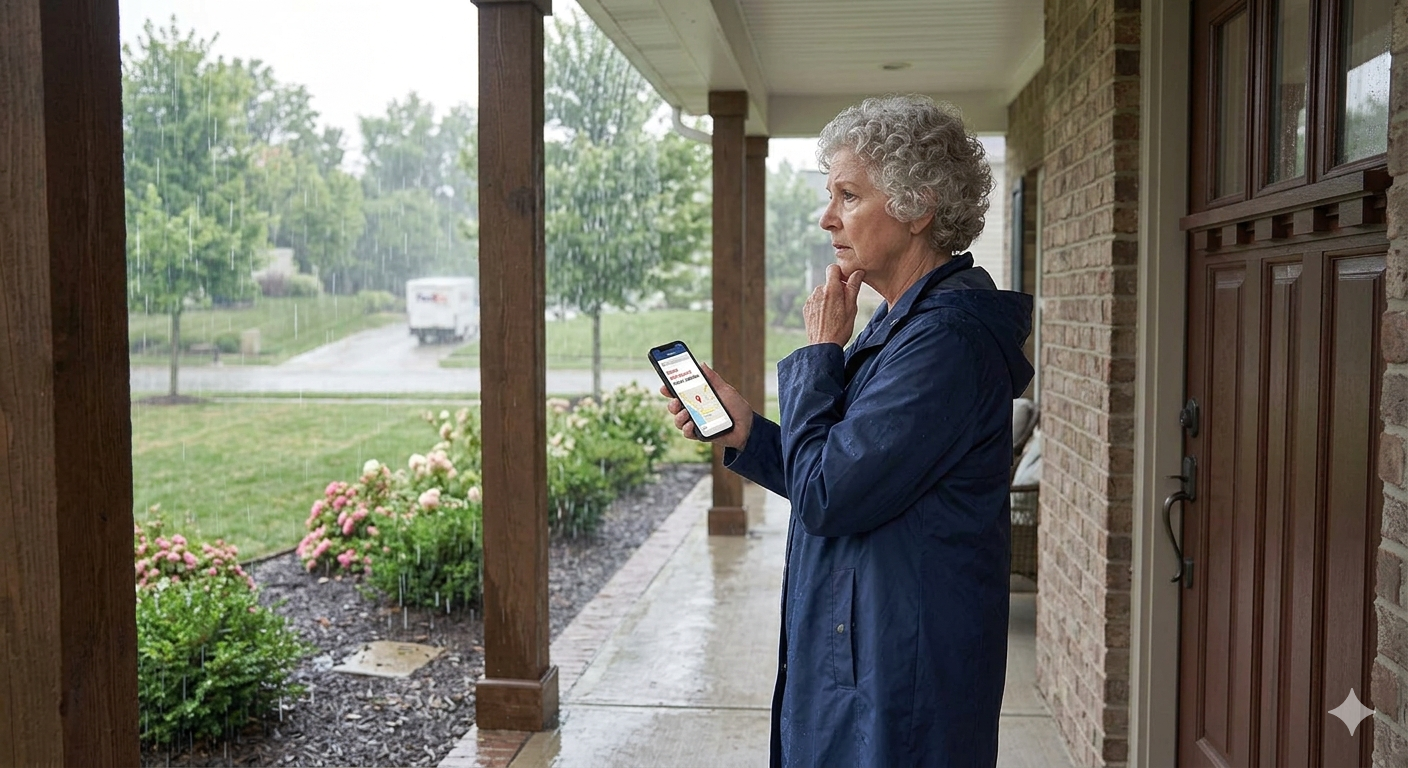
These are legitimate fears. And they're why the question of whether to buy a mobility scooter online or from a local dealer is one of the most important decisions you'll make.
The Assistive Technology Suppliers Association (ATSA) has warned that there is "a real risk to Australians with a disability, their carers and families when complex AT is sourced over the internet without qualified advice and the opportunity for a detailed assessment". The ACCC has also expressed serious concerns, with ATSA noting that "the ACCC is very concerned about the safety issues related to online retailers of powered mobility scooters and recommends against that avenue of supply". That's a strong statement from Australia's consumer watchdog.
But online prices are tempting. And for some people, getting to a showroom is genuinely difficult. So what should you do? The answer depends on your specific situation—your budget, your location, your mobility, and your willingness to take risks.
This guide will walk you through the pros and cons of each option, the hidden costs and risks, and the questions you must ask either way.
Let's get started—because where you buy is just as important as what you buy.
Why Your Purchase Decision Matters
A mobility scooter is more than just a purchase—it's an investment in your independence and quality of life. Unlike buying a household appliance online, "a scooter needs to be fitted to your height, weight, home access, and the distances and terrain you'll cover".
The retailer you choose becomes your partner in mobility. They'll be the ones you turn to for adjustments, troubleshooting, maintenance, and repairs. This relationship often extends for years, making the choice of where to purchase just as important as what to purchase.
Get this decision wrong, and you risk an ill-fitting scooter, poor after-sales support, or a warranty that's difficult to claim.
Get it right, and you have a partner who helps you match the machine to your body, your home, and the footpaths and terrain you'll actually use.
The Case for Buying Online
Let's be fair: online shopping has genuine advantages. Understanding these helps you make an informed decision
Lower Prices (Sometimes)
Online retailers often have lower overheads—no showroom rent, fewer staff, less inventory holding costs. These savings can translate to lower prices.
However, the lower base price may not tell the whole story. ATSA notes that "US internet sites work on a cash up front, no pre or after sales service model," and warns that "the old adage applies that you get what you pay for".
Convenience and Accessibility
You can shop 24/7 from the comfort of your home. For people with limited mobility who can't easily visit multiple showrooms, this is a real advantage. You can compare models, read reviews, and take your time without feeling pressured by a salesperson.
Wider Selection
Online retailers can stock a much broader range of models than a physical showroom with limited floor space. If you're looking for a specific or unusual model, online might be your only option.
Fast Delivery
Some online retailers offer delivery within a week. For someone who needs a scooter urgently, this can be appealing.
The Case for Buying from a Local Dealer
Now let's look at why most experts—and the ACCC—recommend buying from a local dealer.
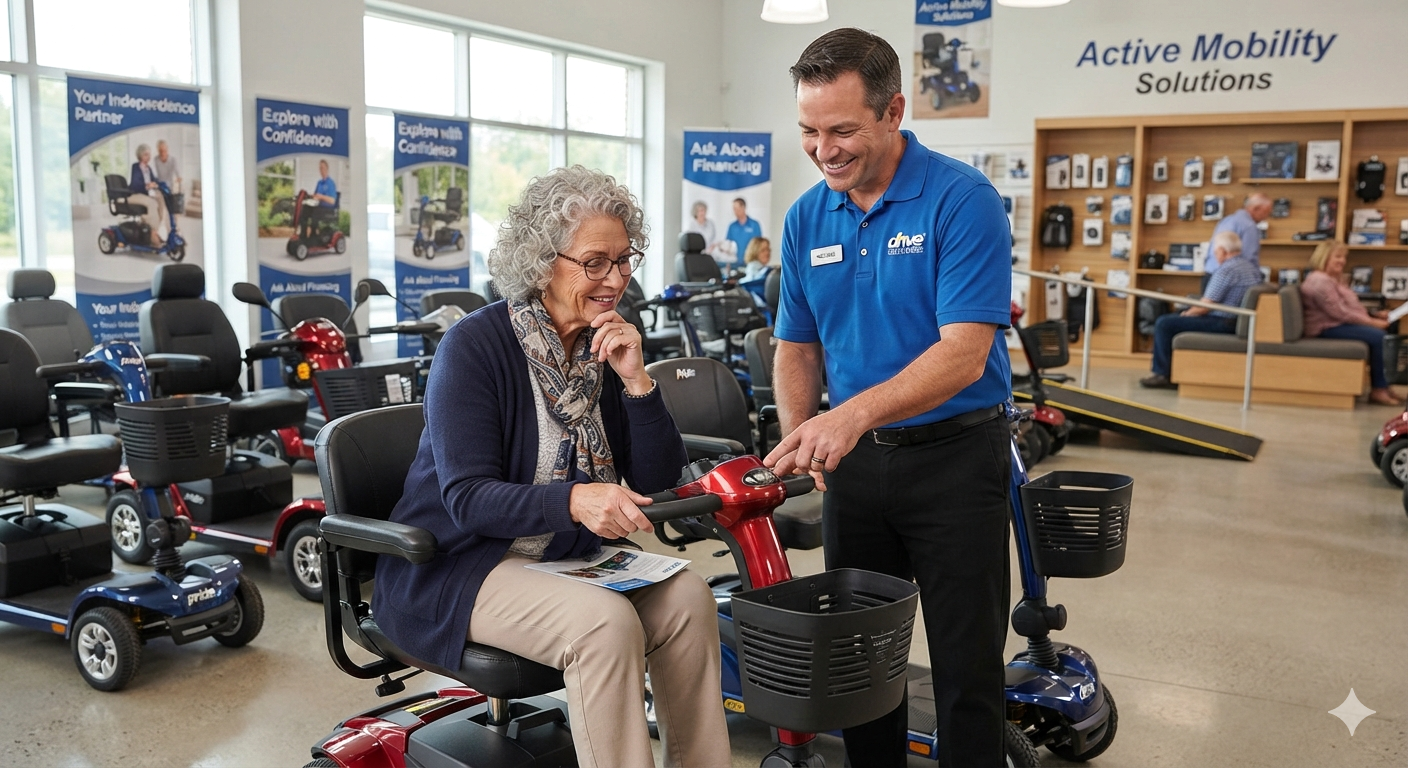
You Can Test Drive Before You Buy
This is the single biggest advantage of buying locally. Mobility equipment is "very deceptive when viewed online as it is impossible to determine how it maneuvers, disassembles or fits an individual's comfort demands".
What you can test in person:
- Seat comfort and adjustability
- Tiller reach and control accessibility
- Turning radius and maneuverability
- Ground clearance and suspension feel
- How it disassembles for transport
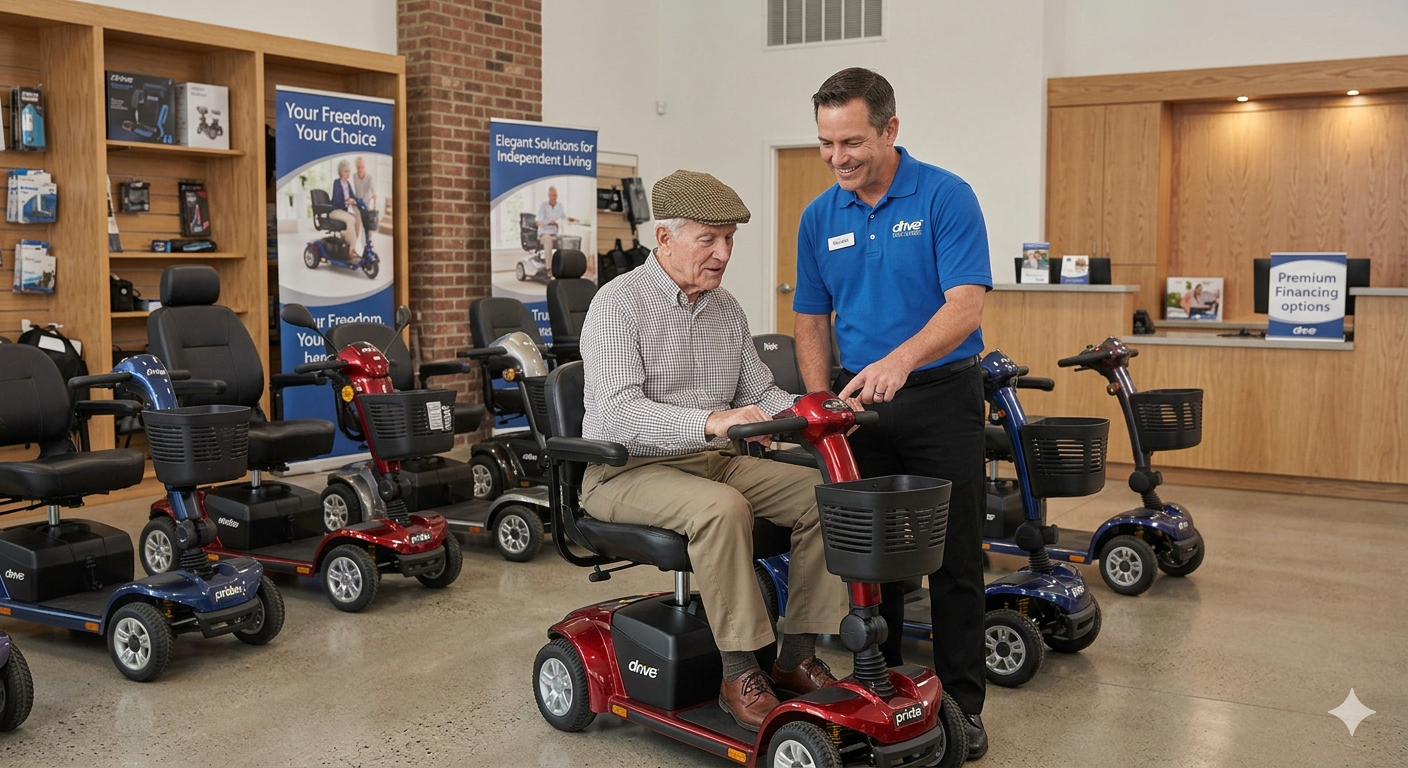
A reputable dealer will let you test ride in-store or at home, and will adjust the seat, armrests, and tiller to fit you properly.
After-Sales Support and Service
This is where local dealers truly shine—and where online purchases often fail.
Local dealers typically offer:
- In-house technicians for repairs
- Loan scooters while yours is being repaired
- Local parts availability
- In-home service options
Online retailers typically offer:
- Mail-in repairs (more delivery costs and waiting time)
- Shipping heavy equipment back and forth
- No local service
One mobility specialist explains that online retailers "typically don't have their own service coverage, and you'll need to send your scooter back to them (more delivery costs!) and wait for them to get it back to you"
Assembly and Setup
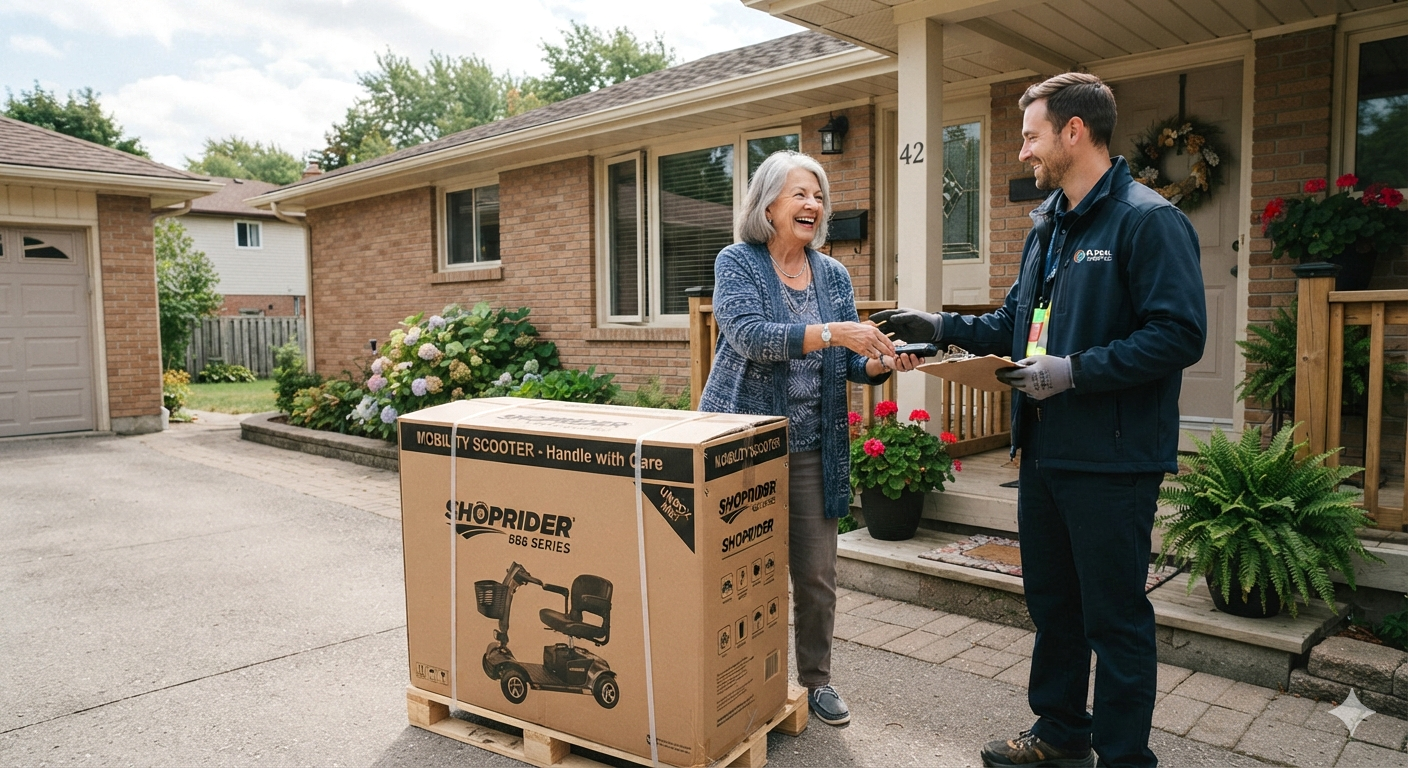
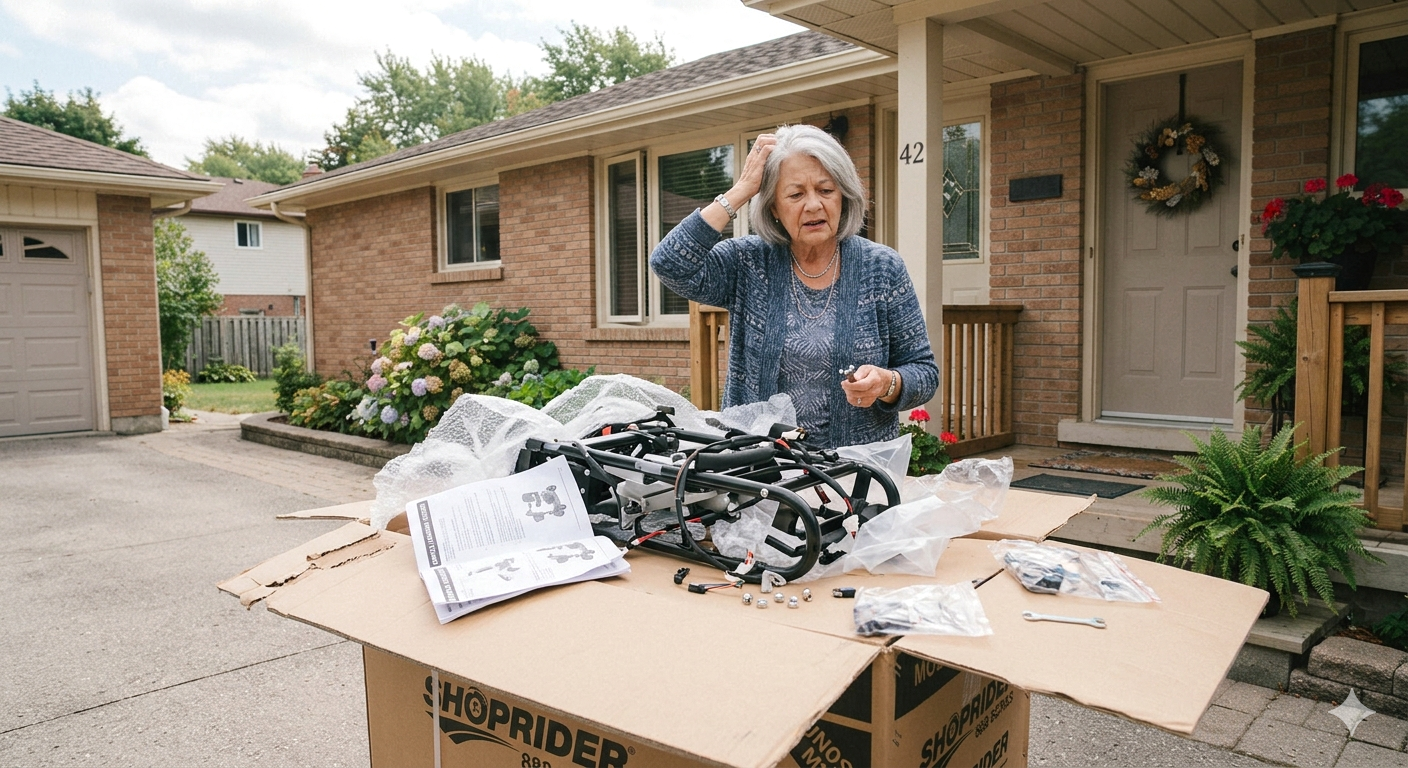
Online purchases are often delivered "directly to your door in a box unassembled". This means you need to bring the heavy box inside, assemble the scooter, figure out how it works from the manual alone, and dispose of bulky packaging
Warranty and Consumer Protection
Buying from a retailer "you have much more consumer protection and almost all equipment will be covered by at least a short-term guarantee". Local dealers have a physical presence and reputation to protect.
Online sellers—especially offshore ones—may be impossible to contact when something goes wrong.
The Hidden Costs and Risks of Buying Online
Online prices may look lower upfront, but they can cost you more in frustration, downtime, and repairs.
1. No Test Drive = Wrong Fit
You can't test comfort, fit, or functionality. The wrong size scooter can be uncomfortable, difficult to transport, or even unsafe. ATSA warns that internet sourcing without qualified advice can result in "products unsuited to the individual's requirements that exacerbate the disability.
2. Questionable Quality
You may end up with an "unknown brand that won't last long". Unknown brands may be difficult to get spare parts for, and some repairers "may not be willing to service inferior, no-name products".
3. Shipping and Return Costs
If you need to return a scooter, you're "likely to be whacked with delivery costs". Returning a heavy mobility scooter can cost hundreds of dollars.
4. Warranty and Parts Nightmares
Warranty may not exist or be difficult to claim. Spare parts are "usually harder to obtain and may take months to arrive".
5. No Local Service
Online retailers "typically don't have their own service coverage," and you'll need to send your scooter back to them for repairs.
6. Scam Websites and Safety Risks
WA ScamNet has received reports from consumers who have tried to purchase mobility scooters from websites and "never received the products." Second-hand devices purchased online from unknown sources also "pose an increased risk of fire, as the quality and history of the product is unknown."
The Hybrid Approach: Research Online, Buy Locally
Many people use both approaches: research online, buy locally. Browse models and compare prices online, then visit a local dealer to test drive and negotiate.
Some local dealers will price-match online offers. Thrive Mobility, for example, promises: "If you find a lower advertised price for the same item from another Australian retailer, we will do our best to match or beat it". Note that this applies to "identical" items "in-stock" within Australia.
A good local dealer can help you find a great deal and provide after-sales service if you need repairs or parts later.
Questions to Ask a Local Dealer
If you decide to buy locally, here's what to ask.
Before the Sale:
- Can I test drive this scooter on surfaces similar to what I'll use daily?
- Will you adjust the seat, armrests, and tiller to fit me properly?
- What range of scooters do you actually stock? (A narrow range may mean they push what they have, not what suits you)
After-Sales Support:
- Do you service what you sell? How quickly can you book me in?
- Do you offer loan scooters while mine is being repaired?
- Is servicing done on-site or sent away?
- Do you hold common spare parts in stock?
Warranty and Pricing:
- What's covered under warranty, for how long, and what voids it?
- What are the battery life expectations and replacement costs?
- Does your price include assembly, delivery, and setup?
Questions to Ask an Online Seller
If you decide to buy online, you need to be even more thorough.
Before You Buy:
- What is the brand and model? Is it a well-known Australian brand?
- Can you provide the exact dimensions, weight, and turning radius?
- Do you have customer reviews from Australian buyers?
- What is your return policy, and who pays for return shipping?
Warranty and Support:
- What warranty do you offer, and who honours it?
- Where do I get it serviced if something goes wrong?
- Do you have a service centre in Australia?
- How long do spare parts typically take to arrive?
Delivery and Assembly:
- Does the scooter arrive fully assembled or in a box?
- Who delivers it, and do they bring it inside?
- Is there a phone number I can call for support?
Scam Checks:
- What is your ABN? (Check it on the Australian Business Register)
- Do you have a physical showroom or address in Australia?
- Can I speak to a previous Australian customer?
Which Option Is Right for You?
There's no single right answer. The best choice depends on your specific situation.
Choose a Local Dealer If You:
- Want to test drive before you buy
- Need professional fitting and assessment
- Want after-sales support and local service
- Don't want to assemble the scooter yourself
- Want peace of mind and someone to call if something goes wrong
Choose Online Only If You:
- Can't easily visit a showroom due to mobility or location
- Have already test-driven the exact model elsewhere
- Are confident in your ability to assemble and maintain the scooter
- Are willing to take the risk on warranty and support
- The price difference is significant and you're on a tight budget
Your Decision Checklist
|
Factor |
Local Dealer |
Online Seller |
|
Test Drive |
✅ Yes |
❌ No |
|
Professional Fitting |
✅ Yes |
❌ No |
|
Assembly Included |
✅ Usually |
❌ Usually not |
|
Local Service |
✅ Yes |
❌ No |
|
Loan Scooters |
✅ Sometimes |
❌ No |
|
Warranty Support |
✅ Local |
❌ Often difficult |
|
Price |
🟡 Higher |
🟢 Lower |
|
Selection |
🟡 Limited |
🟢 Wide |
|
Convenience |
🟡 Requires travel |
🟢 Shop from |
Your Next Steps
So there you have it—everything you need to know about whether to buy a mobility scooter online or from a local dealer, and what to ask either way.
Remember: the ACCC "recommends against" buying powered mobility scooters from online retailers. There's a reason for that. Mobility scooters aren't like toasters or TVs—they're personal mobility devices that need to fit your body, your home, and your lifestyle.
A local dealer isn't just a seller—they're a partner in your mobility. They help you find the right scooter, adjust it to fit you, service it when needed, and stand behind what they sell.
Online can work—but only if you do your homework, ask the correct questions, and understand the risks.
Your independence is worth protecting. Choose wisely.
Ready to dive deeper? Explore our full range of guides on choosing a mobility scooter. Each article is designed to give you the confidence to make the best decision for your mobility and quality of life.
Frequently Asked Questions
Should I buy a mobility scooter online or from a local dealer?
The ACCC is "very concerned about the safety issues related to online retailers of powered mobility scooters and recommends against that avenue of supply". Local dealers offer test drives, professional fitting, assembly, and after-sales support. Online may be cheaper but comes with significant risks.
Is it cheaper to buy a mobility scooter online?
Online prices are often lower upfront, but hidden costs add up—shipping fees, assembly charges, lack of warranty coverage, and paying extra for repairs and replacement parts.
Can I test drive a mobility scooter before buying online?
No. Online purchases don't allow test drives. You're relying on photos and descriptions, which can't tell you how the scooter feels, fits, or handles.
What happens if an online scooter breaks?
You'll likely need to ship it back to the seller (at your cost) and wait weeks for repairs. Local dealers typically offer in-house or in-home service.
Do online scooters come with a warranty?
Sometimes, but warranty claims are often difficult. Local dealers are subject to Australian Consumer Law and can be held accountable.
How do I know if an online seller is legitimate?
Check their ABN on the Australian Business Register. Look for a physical Australian address and phone number. Read reviews from Australian customers. Be wary of deals that seem too good to be true.
Can I use NDIS funding to buy from an online seller?
Yes, but the seller must be an NDIS-registered provider. Local dealers are more likely to be registered and can help with documentation.
What should I ask a local dealer before buying?
Ask about test drives, fitting, assembly, service turnaround times, loan scooters, warranty coverage, battery replacement costs, and NDIS registration.
What should I ask an online seller before buying?
Ask about the brand, warranty, return policy, who pays for return shipping, where to get it serviced, parts availability, and their ABN.
Is there a middle ground?
Yes. Research online, then visit a local dealer to test drive and negotiate. Some local dealers will price-match online offers.
Stay mobile, stay confident!
Sign up for our monthly Mobility Scooter Newsletter to receive practical guides, expert advice, and inspiring stories that help you make the most of your scooter and download our free "Mobility Scooter Guide for Beginners."
Don't worry — your e-mail address is totally secure.
I promise to use it only to send you our newsletter, "Mobility Matters."
Recent Articles


-
Portable vs Travel vs Folding Mobility Scooters Buyer's Guide
Sep 15, 26 11:01 AM
 Confused by "portable," "travel," and "folding" mobility scooter listings? This guide explains what Australian sellers actually mean, with real weight comparisons and a decision framework.
 -
Mobility Scooter Types Overview: No More Confusion
Sep 15, 26 10:54 AM
 Mobility scooter types explained in plain English. Includes Australian footpath rules, airline battery limits, and the one mistake most first-time buyers make.
 -
How to Choose a Mobility Scooter in Australia Guide (2026)
Sep 15, 26 07:29 AM
 Choosing a mobility scooter in Australia? This guide covers registration requirements by state, public transport dimensions, NDIS funding steps, and practical testing advice.

Ready to Feel More Confident on Your Mobility Scooter?

My Ebook, The Ultimate Guide to Mobility Scooters, walks you through choosing the right scooter, using it safely, and keeping it in top condition — all explained in clear, friendly language.
Give yourself (or someone you love) the gift of independence.

