- Home
- Services and Shopping
- What to Ask a Scooter Dealer
- What to Ask About Scooter Battery Replacement in Australia
What Should I Ask About Battery Replacement Cost, Lifespan, and Availability (for a Specific Model)?
Picture this:.You've finally found the perfect mobility scooter. It's comfortable, handles beautifully, and fits your budget. You've done your research, asked the right questions, and handed over your hard-earned money. For months, you enjoy the freedom of independent travel – trips to the shops, visits to friends, afternoons at the park.
Then, one day, you notice something's wrong. The battery doesn't seem to last as long. You're struggling on hills that used to be easy. The range meter drops faster than it used to. You call the dealer, and they say: "Time for new batteries. That'll be around $500, please."
Your heart sinks. You had no idea battery replacement would cost that much. You didn't budget for it. And now you're facing an expense you can't afford.
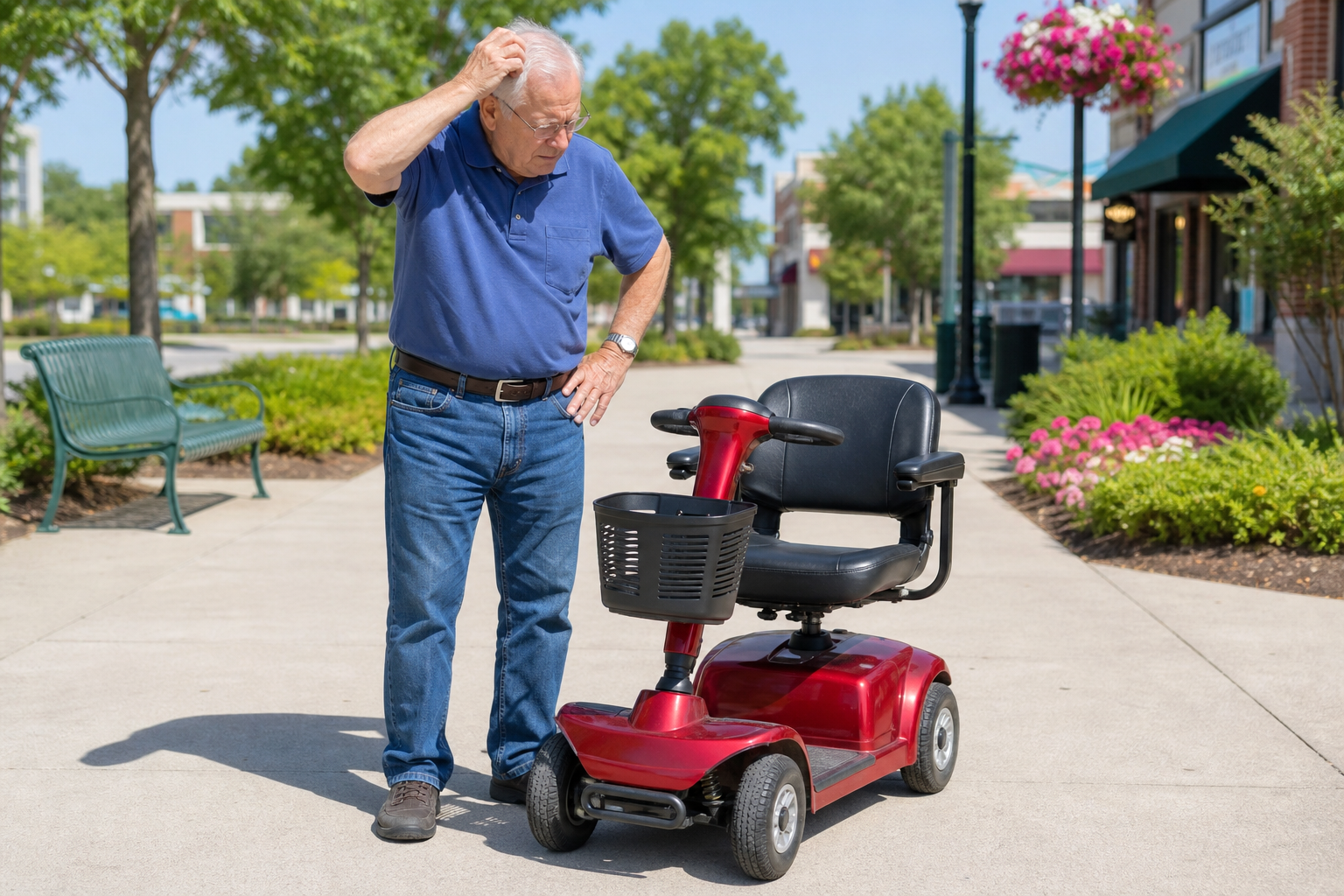
This scenario is all too common. Batteries are the single biggest ongoing cost of mobility scooter ownership – and many buyers don't discover this until it's too late.
Knowing what to ask about battery replacement cost, lifespan, and availability for a specific model can save you hundreds of dollars and prevent years of frustration. The right questions separate honest dealers from those who "forget" to mention the expensive replacement coming down the track.
This guide will walk you through every question you need to ask – from battery types and costs to lifespan, availability, and real-world performance. By the end, you'll know exactly what to ask and how to protect yourself from expensive surprises.
Let's get started – because your independence deserves more than a battery that lets you down.
Battery Types – The Foundation of Your Decision
Before you can ask the right questions about cost and lifespan, you need to understand the different battery types available. This is the foundation of knowing what to ask about battery replacement cost, lifespan, and availability.
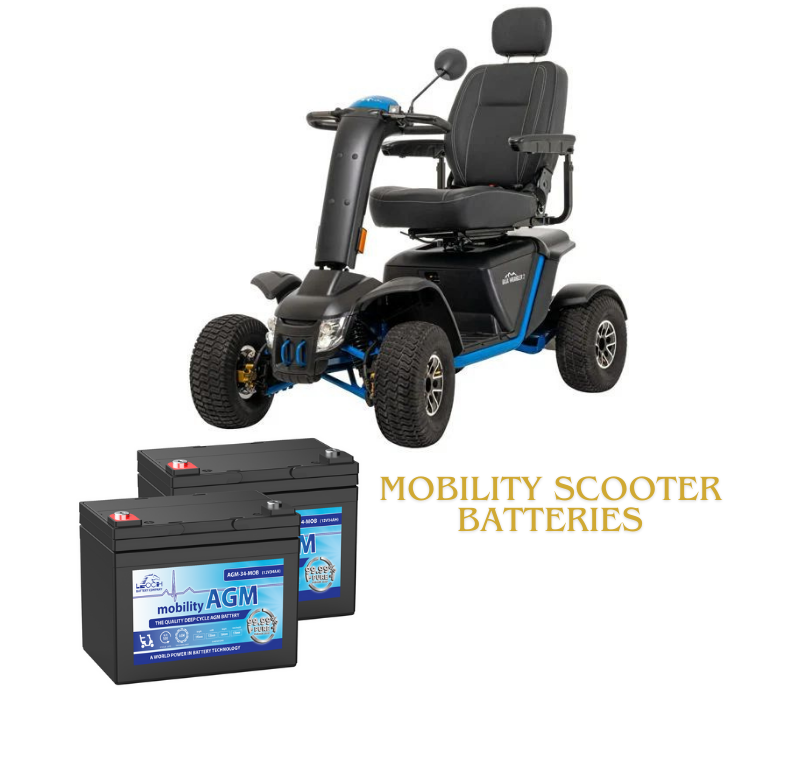
Most mobility scooters in Australia use one of three battery types:
Sealed Lead-Acid (SLA) and AGM Batteries
These are the most common and budget-friendly option. AGM (Absorbent Glass Mat) batteries are maintenance-free, spill-proof, and suitable for moderate use. They power most mobility scooters in Australia.
- Pros: Lower upfront cost, widely available, familiar technology
- Cons: Heavier, shorter lifespan (typically 1–3 years), perform poorly in cold weather
Gel Batteries
Gel batteries are better suited for frequent or deep discharges and offer a longer lifespan than AGM batteries.
- Pros: Longer lifespan than AGM, handles deep discharges better
- Cons: More expensive than AGM
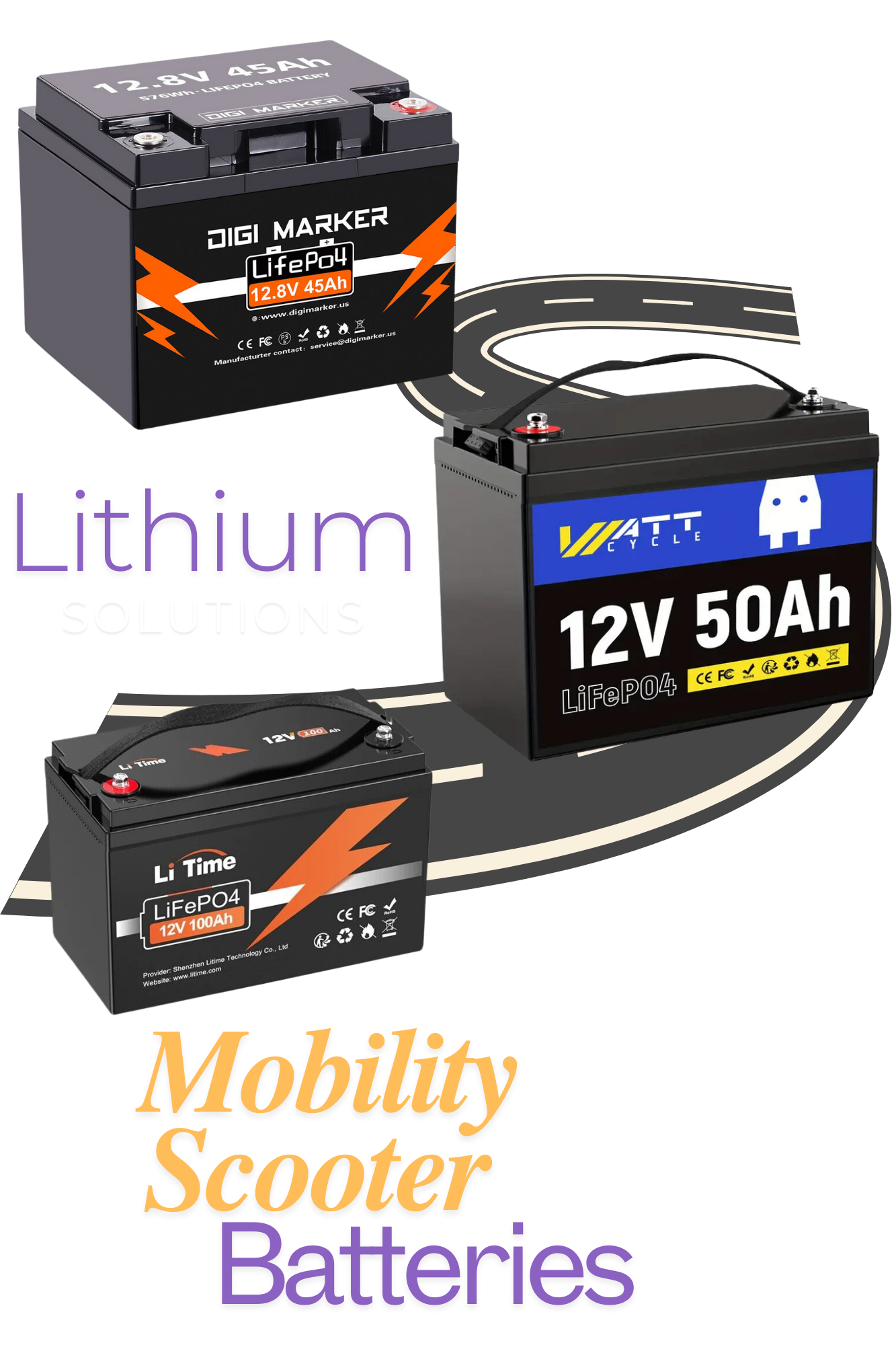
Lithium-Ion Batteries
Lithium batteries are the premium option. They're lightweight, fast-charging, and long-lasting. They also handle cooler temperatures better than lead-acid equivalents, retaining a larger proportion of their rated capacity when temperatures drop.
- Pros: Lightweight, longer lifespan (typically 3–5 years or more), better cold-weather performance
- Cons: Significantly higher upfront cost, requires a compatible charger
Ask your dealer: What type of battery does this model use – AGM, gel, or lithium?
Ask your dealer: Does this scooter support lithium batteries, or would I need to upgrade the charger and system?

Battery Replacement Cost – What You'll Really Pay
This is the question most buyers forget to ask – and it's the one that can cost you hundreds of dollars. When you're figuring out what to ask about battery replacement cost, lifespan, and availability, getting a straight answer on price is essential.
What Do Batteries Cost in Australia?
Battery replacement costs vary significantly depending on the type and size:
- Smaller sealed lead-acid (SLA) battery packs commonly start around $100
- Larger SLA batteries like 75 Ah can run $400 or more
- Lithium batteries often start around $500 and climb from there
- Specialist lithium batteries can cost $849 for 10Ah or $1,299 for 15Ah
- Some replacement batteries are priced at $415 for specific models
- Larger capacity batteries like 2x 12V 70Ah AGM can cost $250 each
One forum user noted they were quoted $250 each,for 12V 70Ah AGM batteries, or $1,200 if the dealer installed them.
That's a significant installation premium – another reason to ask detailed questions.
Ask the Right Questions
Ask your dealer: How much will replacement batteries cost for this specific model?
Ask your dealer: Is that price per battery or for the pair?
Most scooters use a 24V system consisting of two 12V batteries wired in series. When the dealer quotes a price, make sure you know whether it's for one battery or both.
Ask your dealer: How much do you charge for installation if I need you to fit them?
Some dealers charge a significant premium for installation. If you're handy, you might be able to save money by replacing the batteries yourself – but always check your warranty first.
Ask your dealer: Are there any cheaper alternatives, or is this the only battery that works with this model?
Some models use proprietary batteries that can only be purchased from the manufacturer – which often means higher prices.
Battery Lifespan – How Long Will They Last?
Knowing what to ask about battery replacement cost, lifespan, and availability means understanding how long you can expect your batteries to last – and what factors affect that lifespan.
How Long Do Mobility Scooter Batteries Typically Last?
Most mobility scooter batteries last between two and three years, depending on usage, charging habits, terrain, storage conditions, and maintenance practices.
- Lead-acid (AGM) batteries: Typically last 1–3 years with proper care
- AGM batteries: Approximately 200–300 charge cycles
- Gel batteries: Approximately 500+ charge cycles
- Lithium batteries: Approximately 1,000+ charge cycles
The NDIS notes that in most cases, "batteries last about 2 years, even less if the person is a heavy user".
One Australian reviewer shared their experience: "Under normal usage, battery life of the two 100AH batteries is limited to two years, after which they have to be replaced at an eye-watering cost of approx. $300-$500 each."
Signs Your Battery Needs Replacing
Look out for these warning signs:
- Reduced travel distance per charge
- Slow acceleration or noticeable power loss
- Battery not holding charge overnight
- Longer charging times than normal
- Warning lights or battery faults appearing on the display
- Difficulty climbing slopes or ramps
- Battery older than 24–36 months
Factors That Affect Battery Lifespan
Charging habits: How you charge your batteries significantly affects
their lifespan. A good dealer should explain proper charging practices.
Terrain: Hilly terrain drains batteries faster and can reduce overall lifespan.
Storage conditions:
Cold weather affects battery performance. Lead-acid batteries are
particularly affected by cool temperatures – the electrolyte becomes
more viscous, reducing energy available for each discharge cycle. Lithium batteries handle cooler temperatures better.
Usage patterns: Heavy daily use will shorten battery life compared to occasional use.
Ask your dealer: How long should I expect these batteries to last with my typical usage?
Ask your dealer: What's the best way to charge and store these batteries to maximise their lifespan?
Real-World Range – The Gap Between Advertised and Actual
This is one of the most important things to ask about battery replacement cost, lifespan, and availability – and it's where many buyers get caught out.
The Problem with Advertised Range
Advertised range figures are usually based on ideal conditions that don't match real-world use. One Australian customer purchased a a branded popular scooter specifically because the salesman advised it had a 52 km range. The range was the key factor in choosing that model.
The reality? Even with brand-new batteries, the scooter achieved only approximately 32.5 km before the battery was fully depleted. The consequences were distressing:
- The battery level dropped suddenly and unpredictably
- The scooter slowed to a crawl far from home
- The user had to stop before intersections to let the batteries "rebound"
- They were unsure whether they could safely cross roads
- They had to abandon trips and call taxis
The dealer's response? "The scooter can travel up to 52 km on a single charge, in accordance with ISO 7176-4".
The fine print reveals that range is "strongly influenced by external factors such as speed setting, charging state of batteries, surrounding temperature, local topography, road surface characteristics, tire pressure, user weight".
What Affects Real-World Range?
- User weight – heavier users reduce range
- Terrain – hills drain batteries much faster than flat ground
- Temperature – cold weather can reduce range by up to 20%
- Tyre pressure – underinflated tyres increase rolling resistance
- Speed – higher speeds drain batteries faster
- Battery age – older batteries have reduced capacity
- Accessories – lights, indicators, and other accessories draw power
Ask your dealer: What's the real-world range for someone my weight on my typical terrain?
Ask your dealer: How much will range decrease in cold weather or on hills?
Ask your dealer: Can I test the range myself during a trial?
Availability – Can You Actually Get Replacement Batteries?
When you're asking what to ask about battery replacement cost, lifespan, and availability, don't forget about availability. A cheap battery is useless if you can't get one when you need it.
Do They Stock Batteries Locally?
Some dealers stock replacement batteries locally. Others order everything from overseas – which could mean weeks or months of waiting.
Ask your dealer: Do you stock replacement batteries for this model, or do they need to be ordered in?
Ask your dealer: How long would it take to get replacement batteries if I needed them?
Ask your dealer: Is this a common battery type, or is it proprietary to this model?
Proprietary batteries can be harder to find and more expensive. Some dealers have "access to replacement GEL / AGM batteries" and can do battery discharge testing to confirm if replacement is needed. Others stock a comprehensive range of batteries for mobility aids.
The Cost of Unavailability
If you can't get replacement batteries quickly, you could be without your scooter for weeks – which defeats the purpose of owning one. One forum user considered switching to lithium batteries but discovered their existing charger might not be compatible.
Ask your dealer: What happens if I need batteries urgently – do you offer any express options?
Ask your dealer: Can I use third-party batteries, or do I need to buy manufacturer-branded ones?
Battery Warranty – What's Actually Covered?
Battery warranties are often shorter than the warranty on the scooter itself – and many buyers don't discover this until they try to make a claim.
Typical Battery Warranties
Ask your dealer: How long is the battery warranty?
Typical battery warranties include:
- Aspire scooters: 6 months on batteries
- Merits Fende: 6 months on batteries
- Lithium batteries: Some offer 12-month or longer warranties
One reviewer noted: "Look for batteries with good warranties; some are only 6 months, but others offer a 12-month warranty".
What's Not Covered
Ask your dealer: What voids the battery warranty?
Common exclusions include:
- Damage from improper charging
- Damage from using the wrong charger
- Physical damage
- Water damage
- Normal wear and tear
Consumer Law Protections
Under the Australian Consumer Law, batteries must be of acceptable quality and fit for purpose. If a battery fails prematurely, you may be entitled to a replacement or refund – regardless of what the warranty document says.
Ask your dealer: What are my rights under the Australian Consumer Law if the battery fails within a reasonable time?
Used Scooters – Extra Battery Questions
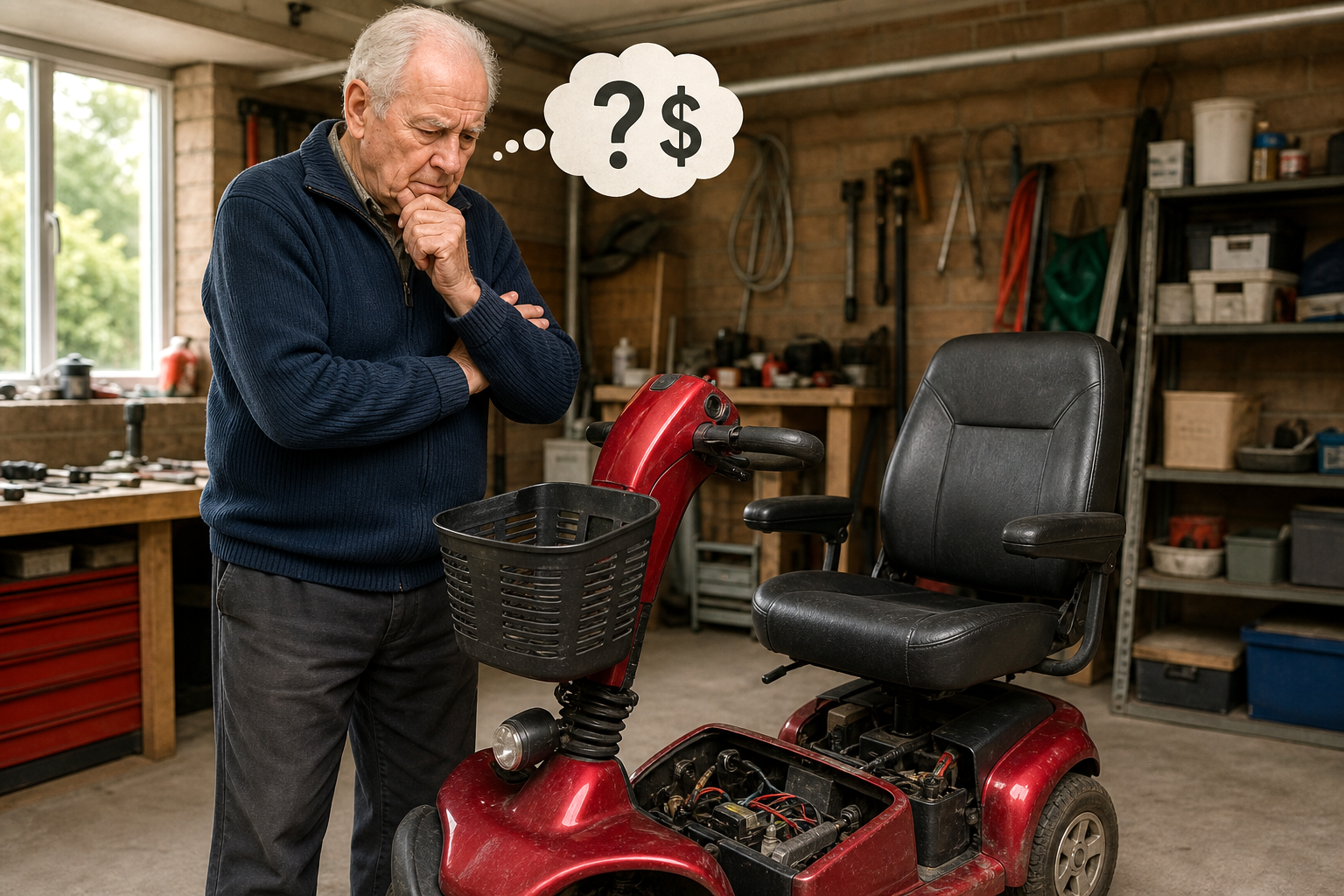
If you're buying a used mobility scooter, battery questions become even more critical. Replacement batteries can cost $150–$400, significantly impacting the true value of your purchase.
Questions to Ask the Seller
Ask the seller: How old are the batteries?
Ask the seller: When were they last replaced?
Ask the seller: Has the scooter been kept on charge when not in use?
Ask the seller: Can I test the battery health before I buy?
Checking Battery Health
Testing battery health is crucial when buying a used scooter. Without proper testing, you risk purchasing a scooter that requires immediate additional investment of $150–$300 for new batteries.
Ask the seller: Can I take the scooter for a test drive to assess the battery range?
Ask the seller: Do you have any service records showing when the batteries were last replaced?
NDIS and Battery Replacement Funding
If you're an NDIS participant, you may be able to claim battery replacement costs through your plan.
The NDIS has a specific support item for "Wheelchair or Scooter – Battery or Charger" (code 05_501224310_0105_1_2). This covers the cost of a replacement battery or charger for your powered wheelchair or mobility scooter, ensuring your equipment stays powered and ready to use.
Batteries are considered consumable parts that can be claimed under Assistive Technology Maintenance, Repair and Rental.
However, these costs must be factored into the plan application prior to receiving funding. As one provider notes: "Servicing, battery, and possible repair parts all should be factored into the plan application prior to receiving funding for the product".
Ask your dealer: Are you an NDIS-registered provider who can help with battery replacement claims?
Ask your dealer: Can you provide the documentation I need to claim battery replacement through my NDIS plan?

Battery Recycling – What to Do at End of Life
When your batteries eventually need replacing, you'll need to dispose of the old ones responsibly.
Never dispose of batteries in the rubbish bin. Used batteries must be stored safely and sent for recycling. Many mobility dealers will recycle old batteries for you – some even offer this service for free.
Ask your dealer: Do you recycle old batteries?
Ask your dealer: Is there a cost for battery recycling?
Many states have battery recycling programs. Perth Mobility, for example, "will happily recycle any mobility batteries and will also take mixed household batteries for recycling".
Your Battery Questions Checklist
Here's a quick checklist of everything to ask about battery replacement cost, lifespan, and availability for your specific model:
|
Question |
Why It Matters |
|
What type of battery does this model use – AGM, gel, or lithium? |
Determines cost, lifespan, and performance |
|
Does this scooter support lithium batteries? |
Upgrading may require charger changes |
|
How much will replacement batteries cost for this model? |
Budget for ongoing costs |
|
Is that price per battery or for the pair? |
Most scooters use two 12V batteries |
|
How much do you charge for installation? |
Installation can add significantly to cost |
|
How long should I expect these batteries to last with my typical usage? |
Plan for replacement timing |
|
What's the best way to charge and store these batteries? |
Maximise lifespan |
|
What's the real-world range for someone my weight on my typical terrain? |
Avoid inflated claims |
|
Do you stock replacement batteries locally? |
Avoid long wait times |
|
How long would it take to get replacement batteries? |
Plan for downtime |
|
How long is the battery warranty? |
Know your coverage |
|
What voids the battery warranty? |
Avoid costly mistakes |
|
Are you an NDIS-registered provider? |
Claim replacement costs |
|
Do you recycle old batteries? |
Responsible disposal |

Your Next Steps
So there you have it – everything you need to know about what to ask about battery replacement cost, lifespan, and availability for a specific model. You know what questions to ask, what costs to expect, and how to protect yourself from expensive surprises.
Remember: batteries are the single biggest ongoing cost of mobility scooter ownership. A $3,000 scooter might seem affordable – but if you're replacing $500 batteries every two years, the total cost of ownership adds up quickly.
A good dealer will answer all these questions honestly. They'll explain the trade-offs between battery types, give you realistic range estimates, and tell you upfront what replacement will cost. They'll stock batteries locally and help you with warranty claims.
If a dealer is evasive about battery costs, won't give you straight answers about lifespan, or tries to downplay the importance of battery replacement – that's a red flag.
Walk away.
Your independence is worth protecting. And now you know exactly how.
Ready to dive deeper? Explore our full range of guides on mobility scooter Each article is designed to give you the confidence to make the best decision for your mobility and quality of life.
Frequently Asked Questions
What should I ask about battery replacement cost, lifespan, and availability for a specific model?
Ask about the battery type (AGM, gel, or lithium), the replacement cost (per battery and for the pair), how long the batteries typically last with your usage, whether the dealer stocks replacement batteries locally, and what the battery warranty covers.
How much do mobility scooter batteries cost in Australia?
Smaller SLA battery packs start around $100, larger SLA batteries like 75 Ah can run $400 or more, and lithium batteries often start around $500 and climb from there.
How long do mobility scooter batteries typically last?
Most batteries last between two and three years, depending on usage, charging habits, terrain, and storage conditions. Lithium batteries typically last longer (3–5 years) than lead-acid batteries (1–3 years).
What's the difference between advertised range and real-world range?
Advertised range is based on ideal laboratory conditions. Real-world range is affected by user weight, terrain, temperature, tyre pressure, speed, and battery age. One Australian user found their 52 km advertised range delivered only 32.5 km in real-world conditions.
Can I claim battery replacement through my NDIS plan?
Yes. The NDIS has a specific support item for "Wheelchair or Scooter – Battery or Charger" (code 05_501224310_0105_1_2). However, these costs must be factored into your plan application.
How do I know when my mobility scooter battery needs replacing?
Look for reduced travel distance, slow acceleration, battery not holding charge overnight, longer charging times, warning lights on the display, or difficulty climbing slopes.
Can I replace mobility scooter batteries myself?
Yes, if you're handy and have the right tools. However, always check your warranty first – some warranties require professional installation. Always turn off the scooter and disconnect the charger before beginning.
Where can I recycle old mobility scooter batteries?
Many mobility dealers recycle old batteries for free. Never dispose of batteries in the rubbish bin – they must be stored safely and sent for recycling.
Stay mobile, stay confident!
Sign up for our monthly Mobility Scooter Newsletter to receive practical guides, expert advice, and inspiring stories that help you make the most of your scooter and download our free "Mobility Scooter Guide for Beginners."
Don't worry — your e-mail address is totally secure.
I promise to use it only to send you our newsletter, "Mobility Matters."
Recent Articles


-
Portable vs Travel vs Folding Mobility Scooters Buyer's Guide
Sep 15, 26 11:01 AM
 Confused by "portable," "travel," and "folding" mobility scooter listings? This guide explains what Australian sellers actually mean, with real weight comparisons and a decision framework.
 -
Mobility Scooter Types Overview: No More Confusion
Sep 15, 26 10:54 AM
 Mobility scooter types explained in plain English. Includes Australian footpath rules, airline battery limits, and the one mistake most first-time buyers make.
 -
How to Choose a Mobility Scooter in Australia Guide (2026)
Sep 15, 26 07:29 AM
 Choosing a mobility scooter in Australia? This guide covers registration requirements by state, public transport dimensions, NDIS funding steps, and practical testing advice.

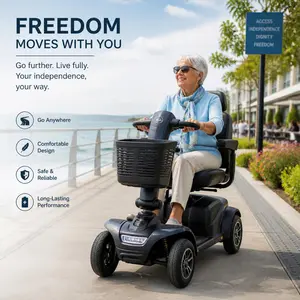

Ready to Feel More Confident on Your Mobility Scooter?

My Ebook, The Ultimate Guide to Mobility Scooters, walks you through choosing the right scooter, using it safely, and keeping it in top condition — all explained in clear, friendly language.
Give yourself (or someone you love) the gift of independence.




