- Home
- Services and Shopping
- Service Plan vs Pay As You Go
- Service Plan Comparison Between Dealership
How Do You Compare Mobility Scooter Service Plans From Different Dealers (Questions to Ask Before You Buy)?
So how do you compare mobility scooter service plans from different dealers without falling for clever sales framing? How do you cut through the jargon, spot the exclusions, and know—with genuine confidence—that you're making the right choice?
Picture this: you've finally chosen your mobility scooter. You've done the test drives, compared the specs, and imagined yourself gliding through the park or zipping around the supermarket with newfound freedom. Then the dealer slides a service plan across the counter and says,
"Would you like to add this for peace of mind?"
Suddenly, that warm feeling of confidence gives way to something else entirely. Confusion. Doubt. A nagging sense that you're about to sign something you don't fully understand.
Here's the honest truth: most mobility scooter guides focus on choosing the scooter itself — size, range, terrain, transport, and comfort — but very few explain how to compare service plans between dealers. Yet after-sales servicing is one of the most important factors affecting long-term reliability, cost, and independence. The right dealer can provide strong support, transparent servicing, and predictable maintenance costs, while the wrong dealer can leave you with expensive repairs, poor communication, and no accountability.
That's exactly what this article is here to help you with. Consider this your friendly cheat sheet: a collection of the most important questions to ask before you buy, grounded in real dealer-comparison criteria and service expectations. By the time you finish reading, you'll have everything you need to stand in that showroom, ask the right questions, and walk away knowing you've protected both your scooter and your wallet.
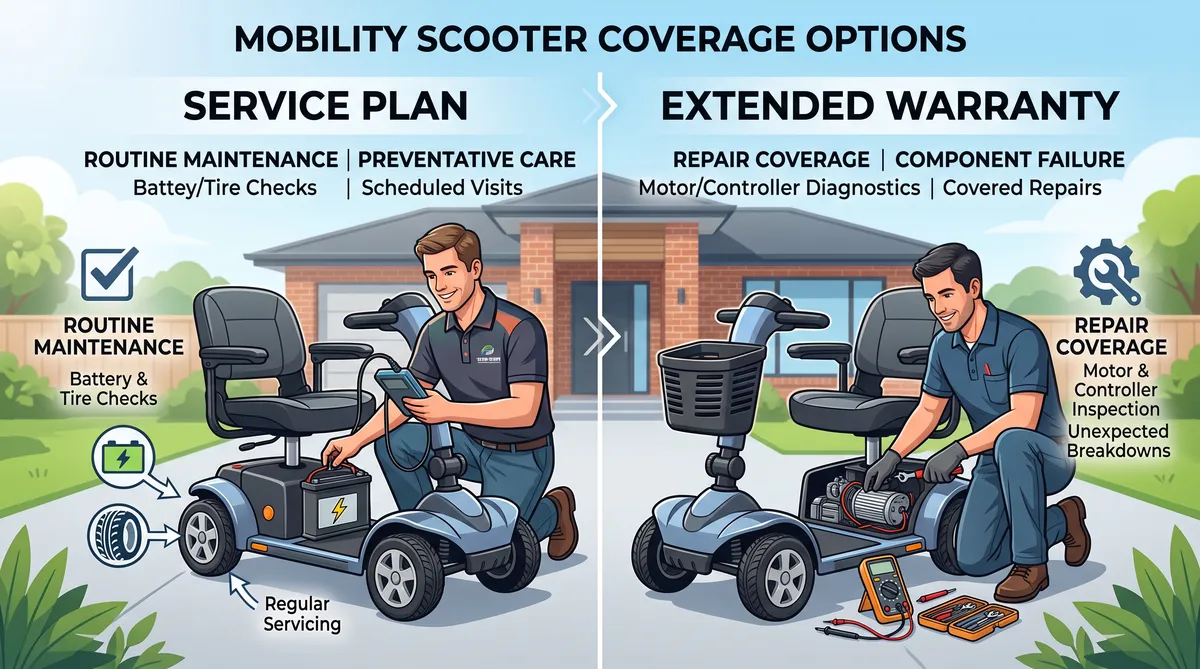
Why Service Plans Matter More Than Most Buyers Realize
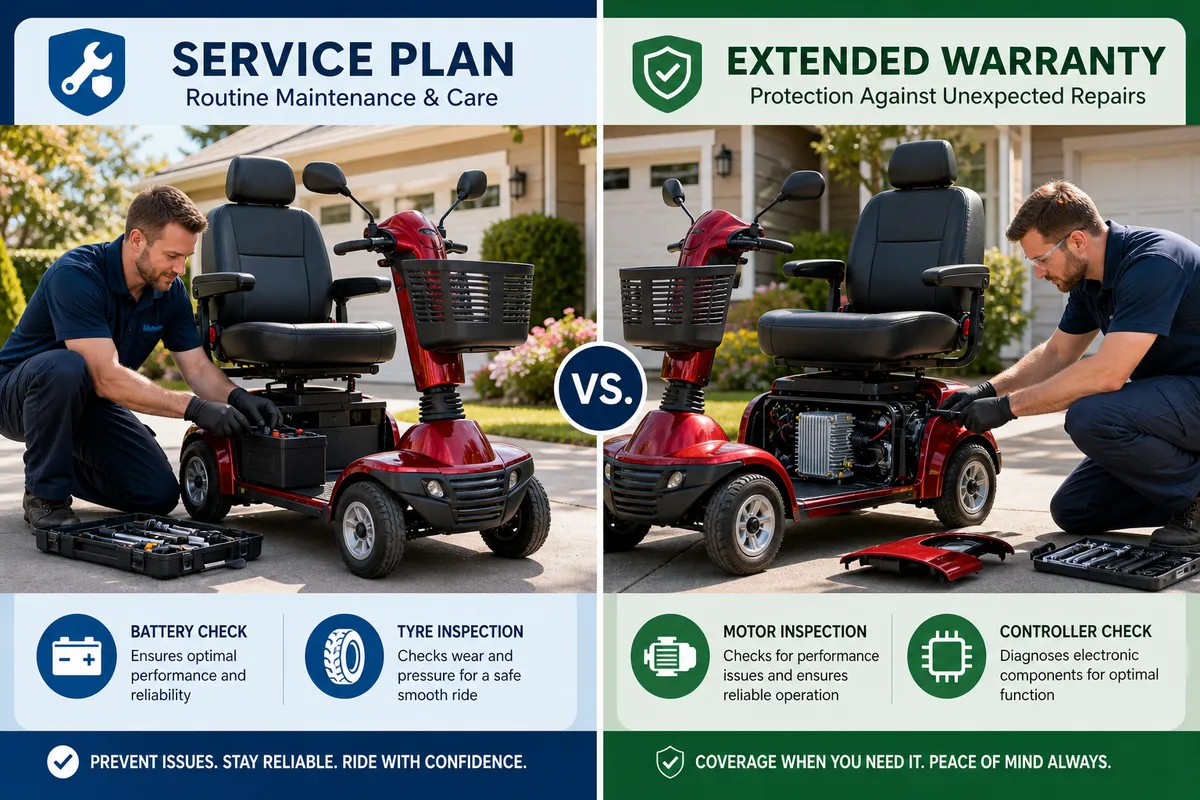
Mobility scooters require ongoing maintenance — battery checks, brake adjustments, tyre inspections, electrical diagnostics, and lubrication — typically costing $100–$300 per professional service. Dealers vary widely in how they structure service plans, what they include, and how they support customers after purchase.
Some dealers offer strong after‑sales support, while others focus only on the sale and provide minimal servicing or communication afterward.
Because service plans differ dramatically, comparing them before buying is essential.
How Do You Compare Mobility Scooter Service Plans From Different Dealers (Questions to Ask Before You Buy)? — The Cheat Sheet
Below is the definitive checklist. Use it before purchasing any mobility scooter or service plan.
1. What Does the Service Plan Actually Cover?
Most buyers don’t know what they’re paying for. A professional service typically includes diagnostics, battery testing, motor and controller checks, wiring inspection, brake adjustment, tyre assessment, and lubrication of moving parts.
Questions to ask before you buy:
- Does the plan include full diagnostics or only basic checks?
- Are battery capacity tests included?
- Does the plan cover brake adjustments and tyre wear?
- Are electrical inspections included?
- Does the technician lubricate moving parts?
2. How Often Are Services Included?
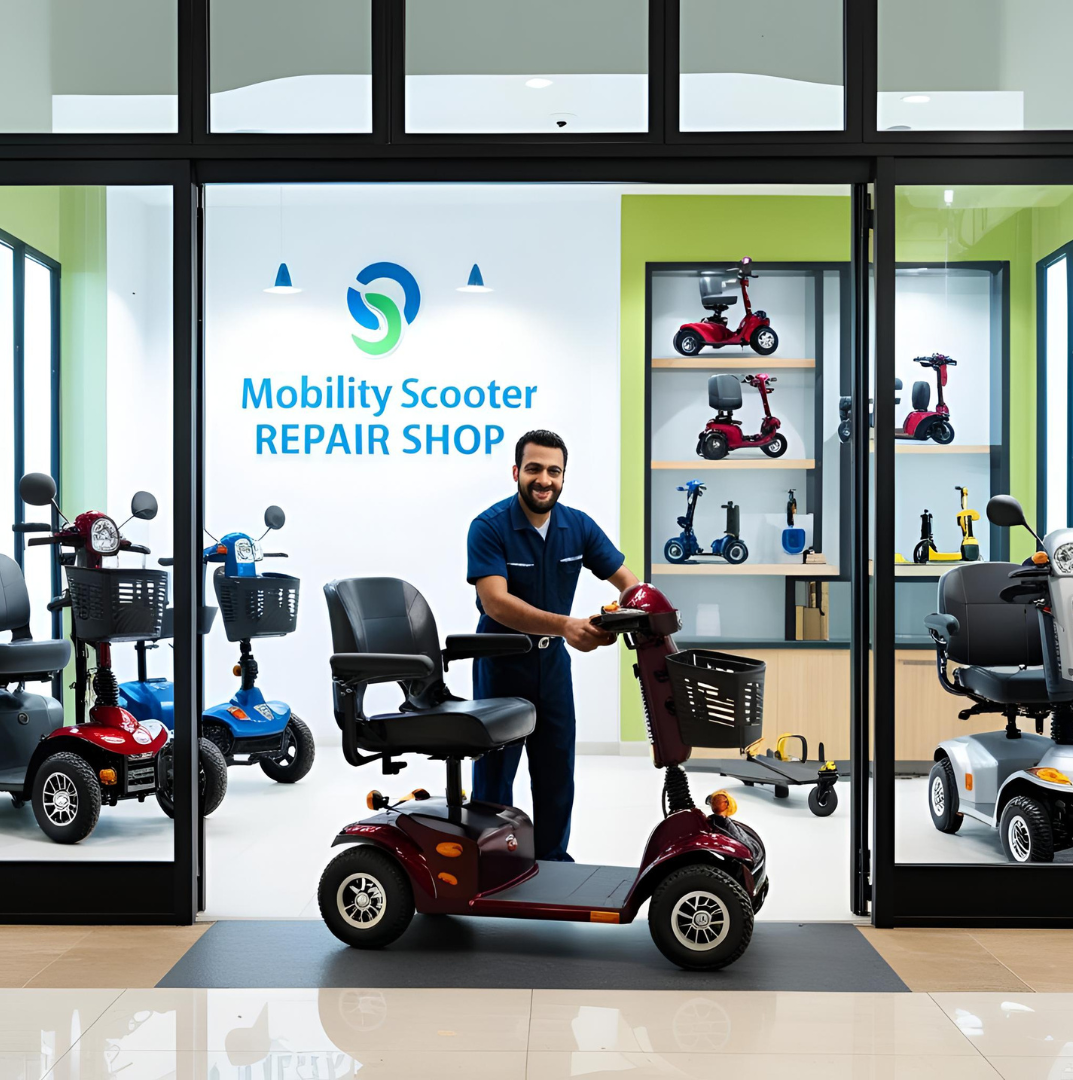
Some plans include annual servicing; others include biannual or quarterly visits. More frequent servicing is valuable for heavy users.
Questions to ask before you buy:
- How many services per year are included?
- Can I schedule services at my convenience?
- Are emergency call‑outs included?
3. Are Call‑Out Fees Included?
Call‑out fees can add $50–$150 per visit depending on location and technician availability. Plans that include call‑outs offer better value for seniors who cannot transport their scooter easily.
Questions to ask before you buy:
- Are call‑out fees included in the plan?
- Are there distance limits or travel zones?
- Is weekend or after‑hours support available?
4. Does the Dealer Have a Strong Reputation for After‑Sales Support?
Dealer reputation is one of the strongest predictors of service‑plan quality. A trustworthy dealer should have:
- BBB accreditation (if applicable)
- Long business history
- Real customer reviews
- Accessible support staff
- Clear communication practices
Questions to ask before you buy:
- How long has the dealer been in business?
- Can I speak to a real technician before buying?
- Are customer reviews consistent and positive?
- How does the dealer handle complaints?
5. What Is NOT Covered in the Service Plan?
This is where many buyers get caught off‑guard. Service plans often do not cover:
- Battery replacement (the most expensive recurring cost)
- Controller or motor replacement
- Frame damage
- Water damage
- Accidental damage
- Consumables (tyres, tubes, lights)
Battery replacement alone can cost $50–$300+ depending on model.
Questions to ask before you buy:
- Are batteries covered?
- Are major electrical components covered?
- Are consumables discounted under the plan?
- Are accidental damages excluded?
6. Does the Dealer Provide Transparent Service Documentation?
A reputable dealer should provide written service reports after each visit, detailing battery health, brake wear, tyre condition, and electrical status.
Questions to ask before you buy:
- Do you provide written service reports?
- Can I see a sample report?
- Do you track long‑term battery health?
7. How Does the Service Plan Compare to DIY Maintenance?
DIY maintenance can save money on simple tasks like tyre inflation, cleaning, and minor adjustments, but electrical faults, controller issues, and brake repairs should never be DIY due to safety risks and warranty concerns.
Questions to ask before you buy:
- Which tasks can I safely do myself?
- Which tasks require a certified technician?
- Does DIY affect my warranty or service plan?
8. Does the Dealer Offer Loan Scooters During Repairs?
Downtime can disrupt daily life, especially for seniors who rely on scooters for independence.
Questions to ask before you buy:
- Do you offer loan scooters during repairs?
- Are loan scooters free or paid?
- Are they available for all service plan customers?
9. Are There Discounts for Long‑Term Customers?
Some dealers offer loyalty discounts, multi‑year plans, or bundled servicing with purchase.
Questions to ask before you buy:
- Are multi‑year plans cheaper?
- Do you offer loyalty discounts?
10. Does the Service Plan Align With My Usage?
Dealers often fail to ask about usage intensity — but it’s one of the most important factors. Daily users need more frequent servicing; occasional users may not need a plan at all.
Questions to ask before you buy:
- How many kilometres do I ride weekly?
- Do I ride on rough terrain or slopes?
- Do I rely on my scooter daily?
Comparison Table: How to Compare Mobility Scooter Service Plans From Different Dealers
|
Comparison Factor Coverage Frequency Call‑Out Fees Dealer Reputation Exclusions Documentation DIY vs Professional Loan Scooters Discounts Usage Fit |
Why It Matters Determines value Affects reliability Major hidden cost Predicts support Prevent surprises Ensures transparency Safety + cost Prevents downtime Saves money Ensures relevance |
What to Ask What exactly is included? How many services per year? Are call‑outs included? Reviews? BBB? Longevity? What is NOT covered? Do you provide reports? What can I do myself? Are loaners available? Multi‑year pricing? Does the plan match my usage? |

Final Verdict: How Do You Compare Mobility Scooter Service Plans From Different Dealers (Questions to Ask Before You Buy)?
To compare mobility scooter service plans effectively, you must evaluate:
- Coverage
- Frequency of servicing
- Call‑out fees
- Dealer reputation
- Exclusions
- Documentation quality
- DIY limitations
- Loan scooter availability
- Discounts
- Your usage intensity
This cheat sheet gives you a complete framework for making a confident, informed decision — one that most mobility scooter buyers never receive.
Stay mobile, stay confident!
Sign up for our monthly Mobility Scooter Newsletter to receive practical guides, expert advice, and inspiring stories that help you make the most of your scooter and download our free "Mobility Scooter Guide for Beginners."
Don't worry — your e-mail address is totally secure.
I promise to use it only to send you our newsletter, "Mobility Matters."
Recent Articles


-
Portable vs Travel vs Folding Mobility Scooters Buyer's Guide
Sep 15, 26 11:01 AM
 Confused by "portable," "travel," and "folding" mobility scooter listings? This guide explains what Australian sellers actually mean, with real weight comparisons and a decision framework.
 -
Mobility Scooter Types Overview: No More Confusion
Sep 15, 26 10:54 AM
 Mobility scooter types explained in plain English. Includes Australian footpath rules, airline battery limits, and the one mistake most first-time buyers make.
 -
How to Choose a Mobility Scooter in Australia Guide (2026)
Sep 15, 26 07:29 AM
 Choosing a mobility scooter in Australia? This guide covers registration requirements by state, public transport dimensions, NDIS funding steps, and practical testing advice.



Ready to Feel More Confident on Your Mobility Scooter?

My Ebook, The Ultimate Guide to Mobility Scooters, walks you through choosing the right scooter, using it safely, and keeping it in top condition — all explained in clear, friendly language.
Give yourself (or someone you love) the gift of independence.

