- Home
- Mobility Scooter Safety and Daily Use
The Essential Mobility Scooter Safety and Daily Use Hub
A warm, practical guide to riding confidently every day.
Picture this: you’re heading out for a simple ride — maybe to the shops, maybe to the park, maybe just to enjoy the fresh air. You sit on your scooter, turn the key, and suddenly you’re reminded that riding safely isn’t just about the scooter itself — it’s about confidence, awareness, and the little habits that make every trip smooth and stress-free.
That’s exactly why mobility scooter safety and daily use matters, and why this guide exists — to help you feel supported and steady as you continue reading.
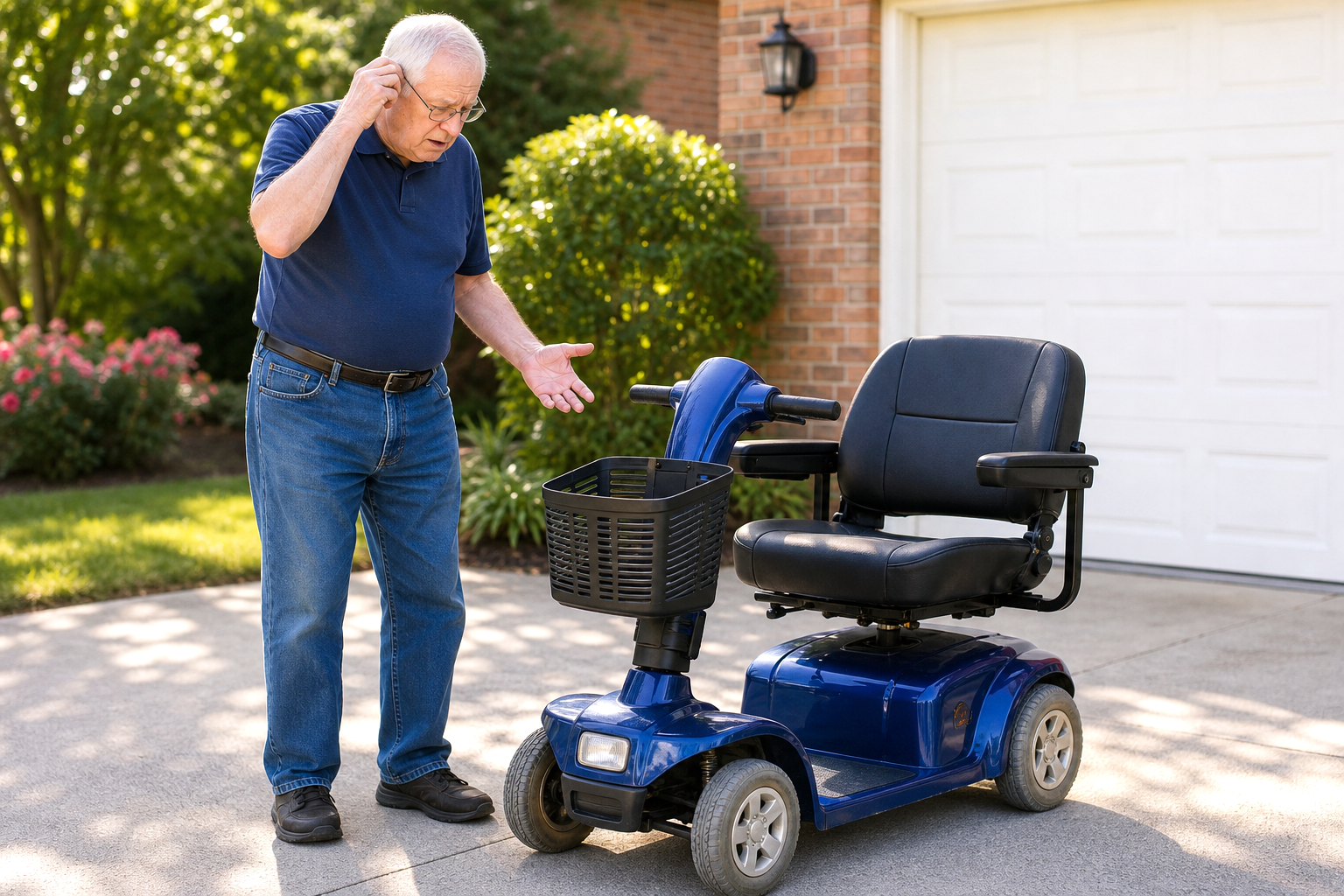
This page is your friendly, reassuring hub for mobility scooter safety and daily use, designed to give you clarity now and gently guide you toward deeper, more specific articles later. Think of it as a warm companion walking beside you, helping you build safe habits without feeling overwhelmed.
And as you move through each section, you’ll notice subtle invitations to explore further, so stay with me as we take this journey together.
Why “Mobility Scooter Safety and Daily Use” Matters
When people search for mobility scooter safety and daily use, they’re usually looking for one thing: “How do I ride safely every day — without stress, confusion, or fear?” That’s exactly what this page delivers. You’ll learn essential safety habits, how to handle slopes and ramps, how to ride in wet weather, how to stay visible at night, how to avoid tipping, how to navigate footpaths and shopping centres, and what to do if your battery fails.
And as you read, you’ll feel gentle nudges toward deeper guides that unpack each topic in more detail, helping you explore at your own pace.
Safety isn’t just about avoiding accidents — it’s about independence, dignity, and confidence. It’s about feeling calm when you leave home and knowing you can rely on your scooter every step of the way.
So let’s take this step together, and I’ll show you how each part of daily use works, what to expect, and how to make smart, safe choices.
Keep going — the clarity you’re looking for is just ahead.
Your Two Safety & Daily Use Pathways
To make things simple, this hub page is divided into two friendly pathways:
1. Riding Safety & Terrain
Everything related to safe riding — speed, slopes, ramps, weather, turning, and tipping.
2. Awareness, Etiquette & Emergencies
Everything related to visibility, social navigation, indoor riding, and what to do when something goes wrong.
Each section below gives you a warm, beginner-friendly overview — just enough to help you understand the landscape and decide which detailed article you want to explore next.
As you read, notice how each section gently nudges you toward the next layer of clarity.
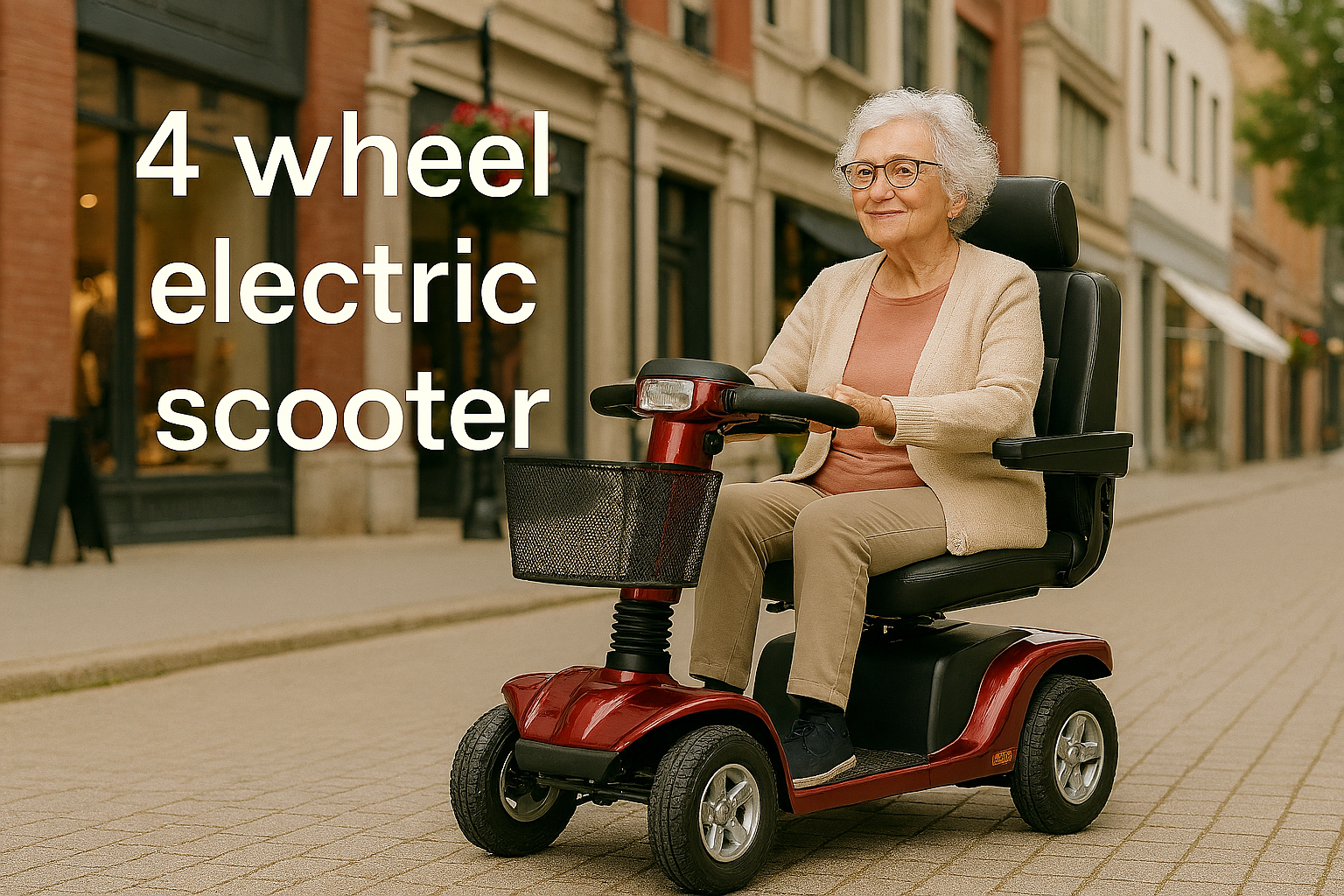
RIDING SAFETY & TERRAIN
Your daily confidence starts with simple, safe habits.
Mobility Scooter Safety Essentials
Safety essentials are the foundation of confident daily riding. They include simple habits like checking your brakes, tyres, lights, and battery before you leave home. They also include posture, speed control, and awareness of your surroundings. Many riders don’t realise how much calmer and more confident they feel once they adopt a gentle pre‑ride routine — and that sense of security can transform every trip.
Keep reading, because these essentials are easier than you think.
Safety essentials also help you avoid common mistakes, like riding too fast on footpaths or turning too sharply in crowded areas. They give you a sense of control and predictability, which is especially helpful for older Australians or new riders who may feel nervous at first. And once you understand these basics, riding becomes smoother, safer, and far more enjoyable.
If you want a friendly, step-by-step guide to daily safety essentials, the full article will walk you through everything. And as you continue reading this page, you’ll see how safe speeds make a big difference.
Explore the full guide: Mobility Scooter Safety Essentials (Coming Soon!)
Safe Speeds for Footpaths
Speed is one of the most important parts of daily scooter safety. Riding too fast can make it harder to stop, harder to turn, and harder to react to pedestrians or obstacles. Riding too slow can make you feel unstable or hesitant. Finding the right speed — especially on footpaths — helps you feel steady, confident, and in control.
Many riders don’t realise how much safer they feel once they adjust their speed to match their environment.
Safe speeds depend on footpath width, pedestrian traffic, and surface conditions. Smooth, wide paths allow for slightly faster riding, while narrow or uneven paths require slower speeds. Once you understand how to adjust your speed, riding becomes calmer and more predictable.
If you want a friendly guide to choosing safe speeds on footpaths, the full article will make everything clear. And as you keep reading, you’ll see how slopes and ramps require their own special techniques.
Explore the full guide: Safe Speeds for Footpaths (Coming Soon!)
Handling Slopes and Ramps Safely
Slopes and ramps can feel intimidating, especially if you’re new to scooters or have had a close call before. But once you understand how to approach them safely — straight on, at a steady speed, with good posture — they become much easier to navigate.
Many riders feel a sense of relief once they learn these simple techniques, and that confidence can make every ride feel smoother.
The key is avoiding angled approaches, sudden turns, or abrupt stops on slopes. These movements increase tipping risk, especially on uneven surfaces. Understanding how your scooter behaves on inclines helps you stay safe and steady, even on challenging terrain.
If you want a friendly, step-by-step guide to handling slopes and ramps, the full article will walk you through everything. And as you continue reading, you’ll see how wet weather adds another layer of safety considerations.
Explore the full guide: Handling Slopes and Ramps Safely (Coming Soon!)
Wet Weather Riding Precautions
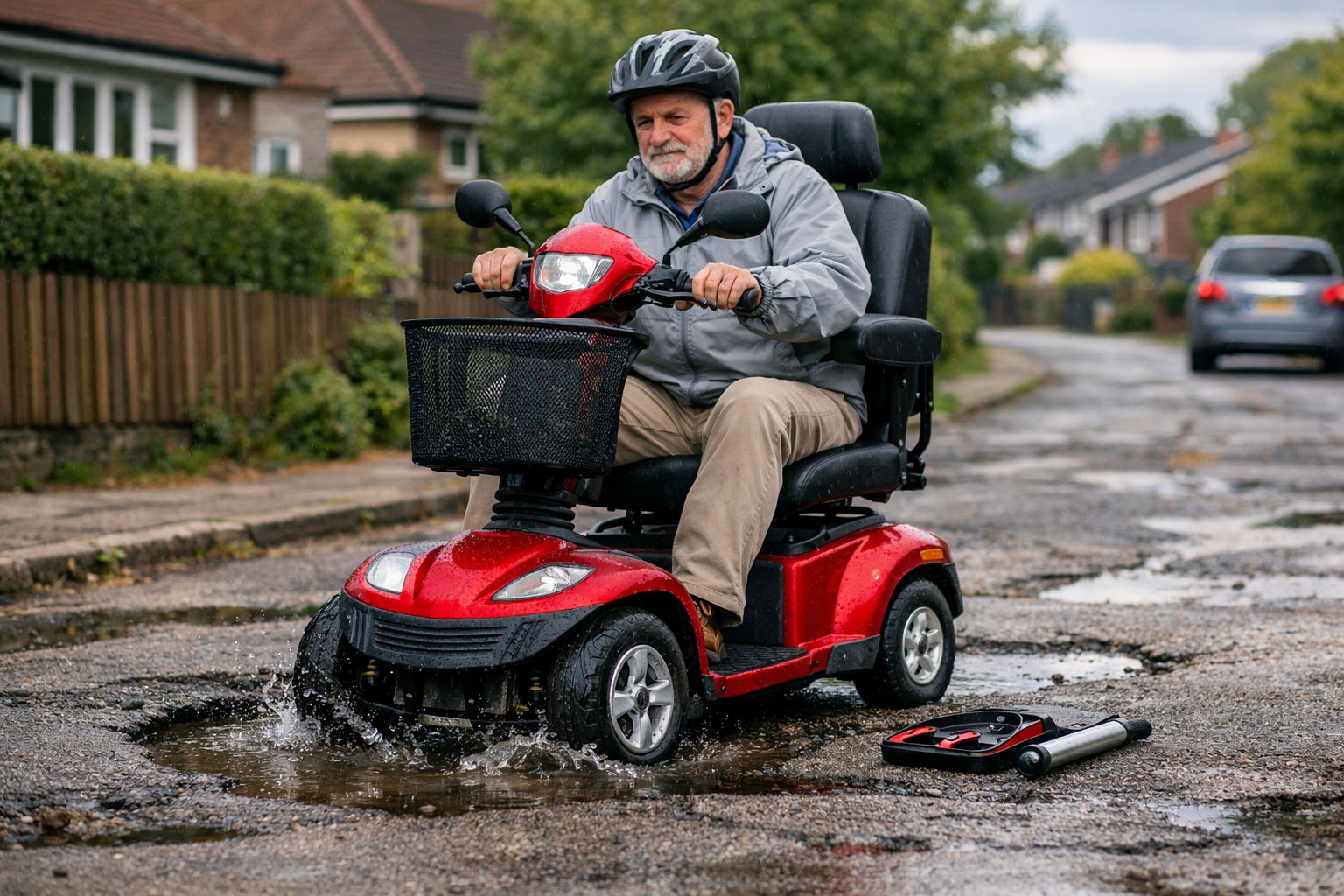
Wet weather changes everything — traction, braking, visibility, and battery performance. Riding in the rain can feel slippery or unpredictable, but with a few simple precautions, it becomes much safer.
Many riders don’t realise how much calmer they feel once they understand how wet surfaces affect their scooter, and that knowledge can make rainy days far less stressful.
Wet weather riding involves slower speeds, gentle braking, wider turns, and extra visibility. It also means protecting your battery from cold temperatures and avoiding puddles that may hide uneven surfaces. Once you understand these habits, riding in wet weather becomes manageable and safe.
If you want a friendly guide to wet weather riding, the full article will make everything clear. And as you keep reading, you’ll see how night riding requires its own visibility checklist.
Explore the full guide: Wet Weather Riding Precautions (Coming Soon!)
Preventing Tip Overs on Turns
Tip overs often happen during sharp or fast turns, especially on uneven surfaces. Learning how to turn safely — wide, slow, and steady — helps you avoid these risks and feel more confident every day.
Many riders don’t realise how much safer they feel once they adjust their turning habits, and that small change can make a big difference.
Safe turning involves slowing down before the turn, keeping your weight centred, and avoiding sudden movements. It also means being aware of surface conditions, especially near driveways or slanted footpaths. Once you understand these habits, turning becomes smooth, predictable, and safe.
If you want a friendly guide to preventing tip overs, the full article will walk you through everything. And as you continue reading, you’ll see how awareness and etiquette help you navigate social spaces safely.
Explore the full guide: Preventing Tip Overs on Turns (Coming Soon!)
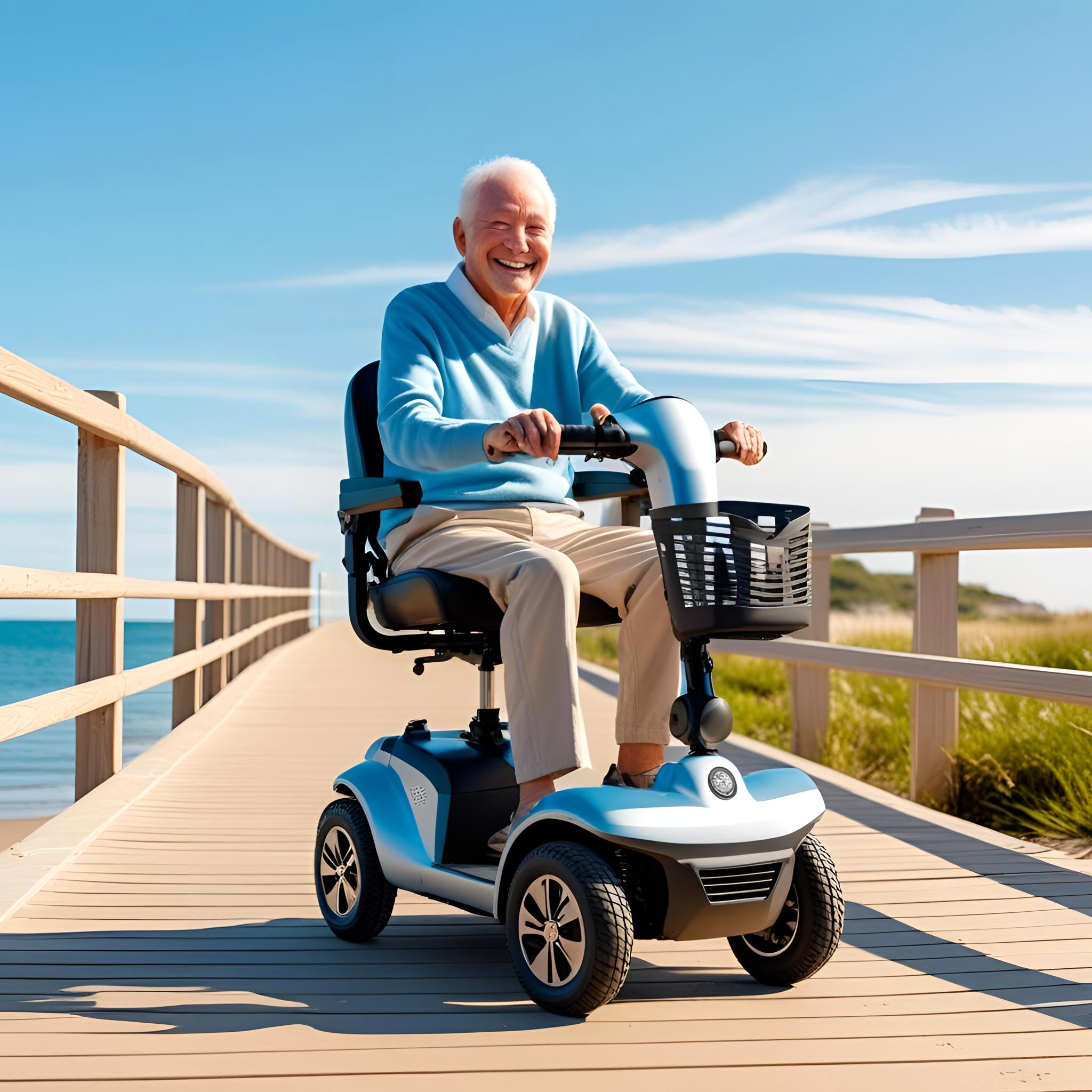
AWARENESS, ETIQUETTE & EMERGENCIES
Everything that helps you ride confidently around people and in busy spaces.
Night Riding Visibility Checklist
Night riding can be peaceful — but only if you’re visible. Lights, reflectors, flags, and bright clothing help drivers, cyclists, and pedestrians see you clearly. Many riders don’t realise how much safer they feel once they upgrade their visibility, and that sense of confidence can transform evening rides.
A good visibility checklist includes front and rear lights, reflective stickers, a safety flag, and bright clothing. It also includes choosing well-lit routes and avoiding dark or uneven areas. Once you understand these habits, night riding becomes calm and enjoyable.
If you want a friendly, printable visibility checklist, the full article will walk you through everything. And as you keep reading, you’ll see how footpath etiquette helps you avoid conflicts during the day.
Explore the full guide: Night Riding Visibility Checklist (Coming Soon!)
Footpath Etiquette and Conflict Avoidance
Footpaths are shared spaces, and knowing how to navigate them politely helps you avoid conflicts and ride with confidence. Many riders worry about bumping into pedestrians or feeling rushed in crowded areas, but once you understand simple etiquette, footpath riding becomes much smoother.
Etiquette includes slowing down near pedestrians, giving space, using your bell or voice gently, and being patient in busy areas. It also means choosing safe routes and avoiding sudden movements. Once you understand these habits, footpath riding becomes calm and enjoyable.
If you want a friendly guide to footpath etiquette, the full article will in this mobility scooter safety and daily use hub make everything clear. And as you continue reading, you’ll see how shopping centres require their own navigation strategies.
Explore the full guide: Footpath Etiquette and Conflict Avoidance (Coming Soon!)
Shopping Centre Navigation Strategies
Shopping centres can feel crowded, noisy, and overwhelming — but with a few simple strategies, they become easy to navigate. Many riders feel anxious in tight aisles or busy food courts, but once they learn how to plan routes and adjust speed, shopping becomes enjoyable again.
Navigation strategies include choosing wide aisles, avoiding peak times, staying visible, and using gentle turns. It also means being aware of floor surfaces, ramps, and lift access.
Once you understand these habits, shopping centre riding becomes smooth and stress-free.
If you want a friendly guide to navigating shopping centres, the full article will walk you through everything. And as you continue reading, you’ll see how to handle battery failure safely.
Explore the full guide: Shopping Centre Navigation Strategies (Coming Soon!)

Battery Failure Safety Steps
Battery failure can feel scary — especially if it happens far from home. But once you know what to do, it becomes manageable.
Many riders feel calmer once they learn simple safety steps, and that confidence can make every ride feel safer.
Battery failure safety includes stopping safely, turning off the scooter, checking connections, calling for help, and knowing when to recharge. It also means understanding how to prevent failure through daily battery care. Once you understand these habits, battery issues become far less stressful.
If you want a friendly guide to battery failure safety, the full article will walk you through everything. And as you continue exploring this hub, you’ll find even more resources to support your journey.
Explore the full guide: Battery Failure Safety Steps (Coming Soon!)
Final Thoughts: You Deserve Safe, Confident Riding
Mobility scooter safety and daily use isn’t just about avoiding accidents — it’s about independence, dignity, and joy. It’s about feeling calm when you leave home and knowing you can rely on your scooter every step of the way.
This hub page is here to guide you, support you, and help you feel confident every day. And whenever you’re ready, the detailed articles linked throughout this page will take you deeper, one gentle step at a time.
Keep exploring — your confidence, comfort, and independence are just ahead.
Stay mobile, stay confident!
Sign up for our monthly Mobility Scooter Newsletter to receive practical guides, expert advice, and inspiring stories that help you make the most of your scooter and download our free "Mobility Scooter Guide for Beginners."
Don't worry — your e-mail address is totally secure.
I promise to use it only to send you our newsletter, "Mobility Matters."
Recent Articles


-
Portable vs Travel vs Folding Mobility Scooters Buyer's Guide
Sep 15, 26 11:01 AM
 Confused by "portable," "travel," and "folding" mobility scooter listings? This guide explains what Australian sellers actually mean, with real weight comparisons and a decision framework.
 -
Mobility Scooter Types Overview: No More Confusion
Sep 15, 26 10:54 AM
 Mobility scooter types explained in plain English. Includes Australian footpath rules, airline battery limits, and the one mistake most first-time buyers make.
 -
How to Choose a Mobility Scooter in Australia Guide (2026)
Sep 15, 26 07:29 AM
 Choosing a mobility scooter in Australia? This guide covers registration requirements by state, public transport dimensions, NDIS funding steps, and practical testing advice.

Ready to Feel More Confident on Your Mobility Scooter?

My Ebook, The Ultimate Guide to Mobility Scooters, walks you through choosing the right scooter, using it safely, and keeping it in top condition — all explained in clear, friendly language.
Give yourself (or someone you love) the gift of independence.

