- Home
- Services and Shopping
- Service Plan vs Pay As You Go
- Home Service vs Drop off
Home Service Call‑Out vs Drop‑Off Servicing: Which Is Better Value for Mobility Scooters?
So let's tackle the big question, "Home service call-out vs drop-off servicing: which is better value for mobility scooters?". It sounds simple, but the answer isn't always obvious. It depends on your mobility, your budget, your location, and—most importantly—how much you rely on your scooter day to day.
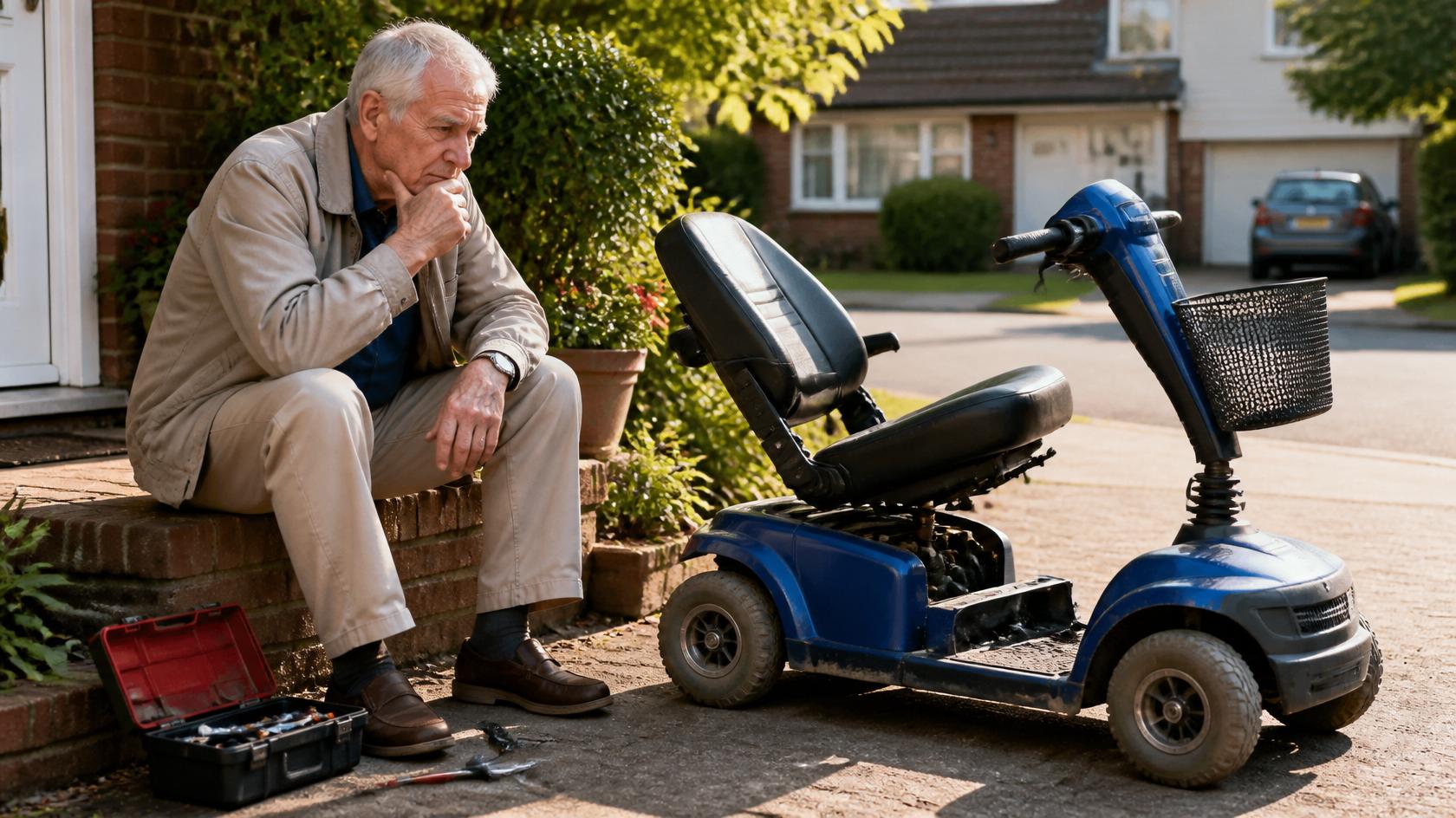
You're running late for an appointment. The sun is shining, you've got your day planned out, and you're feeling good. You settle into your mobility scooter, turn the key, and... nothing. Silence. A faint click, maybe a flickering light on the dashboard, but the motor won't engage. Your heart sinks.
Suddenly, your whole day—your whole sense of independence—grinds to a halt. Now you're staring at a phone, wondering who to call and how much it's going to cost. And lurking beneath that practical worry is a deeper question: "Will they even come to me? Or do I have to find a way to get this heavy machine to them?"
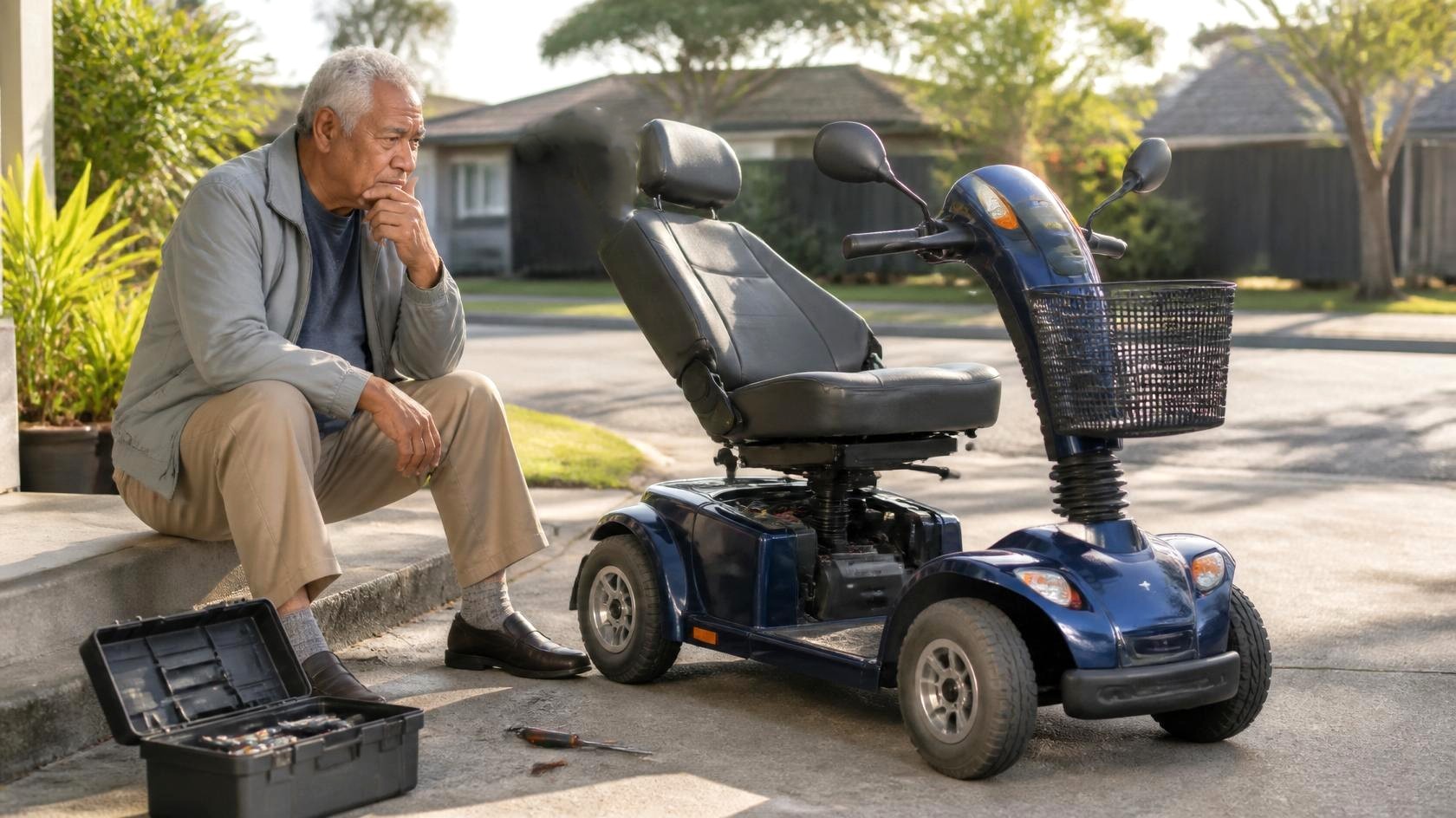
If you're researching this for yourself, a parent, a partner, or someone you care for, you're probably feeling a mix of responsibility and uncertainty. Mobility scooters aren't just machines—they're independence, safety, and dignity. And when something goes wrong, choosing between a technician who comes to your home or a workshop that requires drop-off can feel confusing. You're not alone—most people don't know the difference, and most service pages only promote their own option, not both.
Maybe you're able to transport your scooter to a workshop, but you're worried about being without it for days. Or perhaps you're housebound and the thought of getting your scooter anywhere is overwhelming. Both scenarios are valid, and both deserve a straight answer.
Let's walk through this together, step by step, so you can make a confident, informed decision. We'll look at the real costs, the hidden fees, the convenience factors, and the questions you absolutely must ask before booking any service.
Keep reading—the differences are clearer than you think, and by the end of this guide, you'll know exactly which option gives you the best value for your situation.
Home Service Call-Out vs Drop-Off Servicing: Which Is Better Value for Mobility Scooters? — A Friendly Comparison
Before we dive into the details, here’s the truth: both options can be excellent, depending on your needs. The best choice depends on your mobility, your schedule, the complexity of the repair, and how much downtime you can tolerate.
Let’s explore each path gently and clearly.
What Home Service (Call‑Out) Really Means
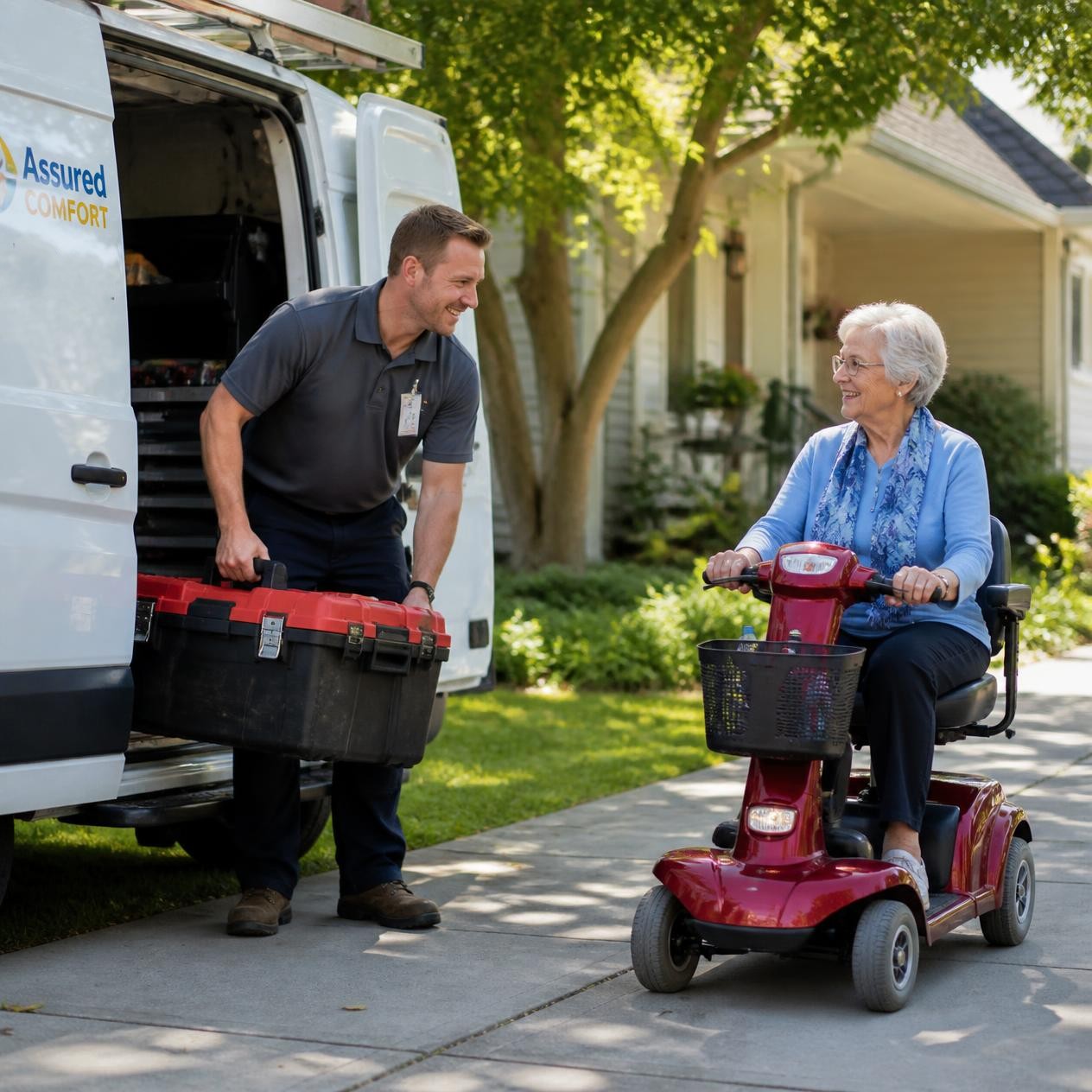
Home service — sometimes called “onsite servicing” or “mobile technician visits” — means the technician comes to you.
No loading the scooter into a car. No asking a neighbour for help. No taxi fares. Just a knock on the door and a friendly expert ready to help.
What Home Service Includes
Most mobile technicians offer:
- Diagnostics
- Battery testing
- Brake adjustments
- Tyre checks
- Minor electrical fixes
- Lubrication
- Roadside breakdown assistance
- Pre‑purchase inspections
- Logbook servicing
Some mobile technicians, for example, emphasise convenience, time savings, and stress reduction — promising to arrive on time, publish prices upfront, and eliminate the hassle of drop‑off logistics.
Why People Love Home Service
- No transport needed — ideal for seniors or people with disabilities
- No waiting rooms
- No disruption to your day
- Immediate minor repairs
- Less stress
If mobility or time is a challenge, home service feels like a breath of fresh air. And if you’re caring for someone, it removes a huge logistical burden.
Let’s keep going — there’s more to consider.
What Drop‑Off Servicing Really Means
Drop‑off servicing happens in a workshop — a controlled environment with specialised tools, diagnostic equipment, and technicians who can perform complex repairs that simply aren’t possible on the road.
What Drop‑Off Servicing Includes
Workshops can handle:
- Motor repairs
- Controller replacements
- Deep electrical diagnostics
- Structural repairs
- Complex mechanical adjustments
- Full refurbishments
A lot of workshop example shows how offsite servicing allows technicians to perform intricate electrical and mechanical repairs using specialised tools not available during home visits.
Why People Choose Drop‑Off Servicing
- More thorough diagnostics
- Access to specialised equipment
- Better for complex repairs
- Often cheaper for major work
- Controlled environment = higher precision
If your scooter has a serious fault, drop‑off servicing may be the only option.
But let’s compare both options side‑by‑side — this is where clarity emerges.
Comparison Table: Home Service vs Drop‑Off Servicing
|
Factor Convenience Transport Required Best For Cost Downtime Stress Level Tools Available Suitability for Seniors |
Home Service (Call‑Out) Extremely high None Minor repairs, diagnostics, urgent fixes Often higher due to travel Minimal Very low Limited Excellent |
Drop‑Off Servicing Low–medium Yes (car, taxi, friend) Complex repairs, electrical faults Often lower for major repairs Can be days–weeks Medium–high Full workshop tools Depends on transport help |
Cost: Which Is Better Value?
Professional servicing typically costs $100–$300 per visit, depending on the technician and repair type
Home Service Costs
Home service often includes:
- Call‑out fees
- Travel zones
- Convenience premiums
But it also saves:
- Taxi fares
- Time
- Physical effort
- Stress
Some customers report they save an average of $45 per visit by avoiding transport costs.
Drop‑Off Costs
Drop‑off servicing may be cheaper for:
- Major electrical repairs
- Motor/controller replacements
- Full diagnostics
Workshops have specialised tools that make complex repairs faster and more precise.
Cost Verdict
- Minor repairs → Home service is better value
- Major repairs → Drop‑off servicing is better value
Let’s keep going — convenience matters just as much as cost.
Convenience: Which Fits Your Life Better?
Home Service Convenience
Home service is unbeatable for:
- Seniors
- People with disabilities
- Carers managing tight schedules
- Anyone without a car
- Anyone who finds transport stressful
Some service providers emphasise “zero hassle,” “no stress,” and “75% time savings” compared to drop‑off servicing.
Drop‑Off Convenience
Drop‑off servicing is less convenient because:
- You must transport the scooter
- You may need help lifting it
- You may need to wait days for repairs
- You may need to arrange pickup
But it’s ideal when your scooter needs deep repairs that can’t be done at home.
Convenience Verdict
- If mobility is limited → Home service wins
- If repair complexity is high → Drop‑off wins
Let’s explore downtime — a major emotional factor.
Downtime: How Long Will You Be Without Your Scooter?
Home Service Downtime
Home service usually fixes:
- Tyres
- Brakes
- Batteries
- Wiring
- Minor electrical issues
…on the spot. You’re often riding again within an hour.
Drop‑Off Downtime
Workshops may need:
- 1–7 days for diagnostics
- Parts ordering
- Complex repairs
- Testing
This can disrupt daily life, especially for seniors who rely on scooters for independence.
Downtime Verdict
- Urgent repairs → Home service
- Complex repairs → Drop‑off servicing
Let’s talk safety — a topic many people overlook.
Safety: Which Option Protects You Better?
Home Service Safety
Home service protects you from:
- Lifting injuries
- Transport accidents
- Navigating public transport with a broken scooter
It also reduces stress — a major factor for older adults.
Drop‑Off Safety
Drop‑off servicing protects your scooter by:
- Allowing deeper diagnostics
- Ensuring precise repairs
- Using specialised tools
Safety Verdict
- For personal safety → Home service
- For scooter safety → Drop‑off servicing
Let’s bring everything together.

Final Verdict: Home Service Call-Out vs Drop-Off Servicing — Which Is Better Value?
Here’s the warm, simple truth:
Choose Home Service If You Want:
Choose Drop‑Off Servicing If You Need:
For Most Seniors and People With Disabilities:
Home service offers better value, less stress, and more dignity. But when your scooter needs serious work, a workshop is the safer choice.
You now have a clear, confident understanding — and you’re ready to make the best decision for yourself or someone you care about.
Stay mobile, stay confident!
Sign up for our monthly Mobility Scooter Newsletter to receive practical guides, expert advice, and inspiring stories that help you make the most of your scooter and download our free "Mobility Scooter Guide for Beginners."
Don't worry — your e-mail address is totally secure.
I promise to use it only to send you our newsletter, "Mobility Matters."
Recent Articles


-
Portable vs Travel vs Folding Mobility Scooters Buyer's Guide
Sep 15, 26 11:01 AM
 Confused by "portable," "travel," and "folding" mobility scooter listings? This guide explains what Australian sellers actually mean, with real weight comparisons and a decision framework.
 -
Mobility Scooter Types Overview: No More Confusion
Sep 15, 26 10:54 AM
 Mobility scooter types explained in plain English. Includes Australian footpath rules, airline battery limits, and the one mistake most first-time buyers make.
 -
How to Choose a Mobility Scooter in Australia Guide (2026)
Sep 15, 26 07:29 AM
 Choosing a mobility scooter in Australia? This guide covers registration requirements by state, public transport dimensions, NDIS funding steps, and practical testing advice.


Ready to Feel More Confident on Your Mobility Scooter?

My Ebook, The Ultimate Guide to Mobility Scooters, walks you through choosing the right scooter, using it safely, and keeping it in top condition — all explained in clear, friendly language.
Give yourself (or someone you love) the gift of independence.



