- Home
- Mobility Scooter Guide for Seniors
The Mobility Scooter Guide for Seniors: Reclaim Your Freedom, Confidence, and Independence
Welcome to your Mobility Scooter Guide for Seniors—a warm, honest, and practical companion designed to help you navigate the world of mobility scooters with clarity and confidence. Whether you’re exploring the idea for yourself or helping a loved one, you’re in the right place.
We know this can feel overwhelming. We know you might have questions you’re afraid to ask. And we know you want to make the right choice—not just for your wallet, but for your quality of life.

Picture this: It’s a beautiful sunny morning. The birds are singing, your favourite café is just a few blocks away, and you can practically taste that perfect cup of coffee.
But between you and that simple pleasure lies a walk that used to be effortless—and now feels like a mountain. You hesitate. You weigh the pain in your knees against the joy of that morning ritual. And too often, the pain wins. You stay home.
But what if it didn’t have to be that way?
Stick with us, because by the end of this guide, you’ll know exactly what to look for, what to avoid, and how to take that first empowering step toward freedom.
What Is a Mobility Scooter—and Why Should You Consider One?
Let’s start with the basics.
A mobility scooter is a battery-powered personal vehicle with a seat, handlebars (called a tiller), and either three or four wheels. It’s designed for people who can sit upright but struggle with walking long distances—whether due to arthritis, joint pain, balance issues, breathing difficulties, or simply the natural changes that come with age.
But here’s the thing: a mobility scooter isn’t just a piece of equipment. It’s a key. A key that unlocks your front door and invites you back into the world. Research shows that mobility scooters significantly improve self-perceived quality of life, primarily by enabling continued social engagement and a sense of retained independence.
One user put it beautifully: “Mobility scooters are designed for anyone who finds walking long distances uncomfortable, but who wants to remain independent and active.”
Many seniors worry that using a scooter means “giving up” or admitting defeat. But the opposite is true. Choosing a mobility scooter is an act of empowerment—a declaration that you refuse to let physical limitations steal your joy. And that’s the spirit we want to carry with us throughout this Mobility Scooter Guide for Seniors.
So take a deep breath. You’re about to discover a world of possibilities you might have thought were behind you.
Understanding the Emotional Side: You Are Not Alone
Before we dive into the technical details—the wheels, the batteries, the weight capacities—let’s address the elephant in the room. Many seniors feel embarrassed or self-conscious about using a mobility scooter. One person shared that they “parked it down the road and walked with a stick” to avoid being seen on their scooter. Another admitted they kept their scooter in the garage for four or five years because they were too embarrassed to use it.
If any of this sounds familiar, please hear this: you are not alone, and you have nothing to be ashamed of. A mobility aid is not a label—it’s a tool. Just as you wouldn’t judge someone for wearing glasses or using a hearing aid, there’s no reason to judge yourself for using a scooter. In fact, most people find that the embarrassment fades after the first successful outing, and the comfort and freedom quickly outweigh any initial self-consciousness.
One wise user reflected: “I was embarrassed about using mobility aids but then realized I actually looked and felt more disabled NOT using them.”
Think about that for a moment. By choosing a scooter, you’re not highlighting your limitations—you’re overcoming them. And that takes courage.

The True Cost of Staying Home: Why Independence Matters
Here’s something we don’t talk about enough: the emotional and physical cost of staying home.
When you stop going to your favourite café, visiting friends, or simply enjoying a walk in the park, you lose more than just the activity itself. You lose connection. You lose purpose. You lose a piece of yourself.
Mobility challenges affect forty percent of adults aged 65 and older. That means millions of people are facing the same decision you are right now.
And those who choose a mobility scooter often describe it as life-changing. They can shop on their own, attend social events, visit family, and explore their communities again.
A mobility scooter isn’t about giving up—it’s about showing up. For yourself, for your loved ones, and for the life you still want to live.
Your Step-by-Step Mobility Scooter Guide for Seniors
Now that we’ve addressed the heart of the matter, let’s get practical. This Mobility Scooter Guide for Seniors will walk you through every decision, one step at a time. No jargon. No pressure. Just clear, honest advice from a friendly expert who wants you to succeed.
Step 1: Start With Your Lifestyle, Not the Specs
The most common mistake first-time buyers make is focusing on specifications before understanding their own needs. Before you even look at a single scooter model, ask yourself these simple questions:
- Where will I use it most? Indoors (home, stores, malls)? Outdoors (sidewalks, parks, uneven paths)? Or both?
- How far do I typically need to travel? A quick trip to the local shop? A longer journey to visit friends or attend appointments?
- Do I need to transport it? Will you put it in a car trunk, or will it stay at home?
- What’s my living space like? Narrow hallways? Tight doorways? Limited storage?
Answering these questions first will narrow your options dramatically. And that means less overwhelm and more clarity. Doesn’t that sound like a relief?
Step 2: Choose Between 3-Wheel and 4-Wheel Scooter
This is one of the most important decisions you’ll make, so let’s break it down simply.
Three-wheel scooters are lighter, more maneuverable, and have a tighter turning radius—making them excellent for indoor use, tight spaces, and shopping aisles. However, they can feel less stable on uneven outdoor surfaces.
Four-wheel scooters offer greater stability and balance, making them the safer default choice for most seniors—especially those with balance concerns. They’re better for outdoor use, uneven terrain, and longer rides.
If stability is your priority—and for many seniors, it is—a 4-wheel scooter is usually the way to go. But if you mainly stay indoors and need to navigate tight corners, a 3-wheel model might be a better fit.

Step 3: Prioritize Comfort and Fit
Comfort matters more than most people expect.
If a seat is too narrow, the back support is poor, or the legroom feels restricted, even a technically capable scooter can become tiring to use. And a scooter that’s uncomfortable is a scooter that stays in the garage.
Look for these comfort features:
- Adjustable seating: Height, angle, and sometimes even swivel seats to make getting on and off easier.
- Padded armrests: Ideally ones that raise and lower.
- Legroom: Make sure your knees aren’t cramped.
- Suspension: This makes a huge difference on bumpy surfaces, especially for anyone with back pain or joint stiffness.
Don’t underestimate the importance of a test drive. Reputable sellers should encourage you to try before you buy.
Sit on it. Adjust the seat. Turn the tiller. Feel what it’s like to get on and off. Your body will tell you what works—and what doesn’t.\
Step 4: Consider Battery Life and Range
Battery life is more than just a number on a spec sheet—it directly impacts how far and how freely you can travel. Most mobility scooters offer between 13 and 32 kilometres per charge, depending on the model, terrain, and rider weight.
Keep in mind that real-world range under load is often 20 to 30 percent less than the manufacturer claims.
Think about your typical day. If you mostly do short errands, a standard battery will suffice. If you love long outings or live in a hilly area, consider a model with a larger battery—or one that allows you to carry a spare.
Also consider charging convenience. Can you remove the battery and charge it indoors, or do you need to bring the whole scooter to a plug point? These small details can make a big difference in daily ease.
Step 5: Think About Transport and Storage
Will you need to put your scooter in a car trunk? Do you have limited storage space at home? If so, portability is key.
Portable or folding scooters are designed to be lightweight and compact. Some fold manually, others fold electronically, and many can be disassembled into lighter parts. The fastest-growing segment in 2026 is ultra-light folding scooters under 18 kilos.
However, there are trade-offs. Smaller scooters usually have shorter battery range, less generous seating, and a firmer ride. They’re ideal for occasional or moderate use but may be less comfortable for long periods or rough terrain.
Ask yourself: Who will be lifting or assembling the scooter? If it’s you or a caregiver, make sure the heaviest part is manageable.

Step 6: Safety Features That Truly Matter
Safety should never be an afterthought. Look for these essential safety features:
- Anti-tip wheels: These prevent the scooter from tipping backward, especially on slopes.
- Automatic or downhill braking: This helps maintain control on declines.
- Lights and reflectors: Essential if you’ll be out in low-light conditions.
- Speed limiters: These help you maintain safe, comfortable speeds.
- Horn: For alerting pedestrians and other users.
Remember: the best scooter is one you feel safe and confident using. If a model makes you nervous, keep looking.
Step 7: Understand the Cost—and What You’re Paying For
Mobility scooter prices in 2026 range widely—from roughly $700 to $6,000, depending on the category and features.
- Entry-level 4-wheel models: $700–$1,200 (budget buyers, light daily use)
- Travel/folding scooters: $1,500–$3,000 (portability, air travel, trips)
- Mid-size outdoor scooters: $1,200–$2,500 (everyday outdoor use)
- Heavy-duty models: $3,500–$6,000 (higher weight capacity, rough terrain)
Don’t forget hidden costs: replacement batteries ($150–$400), extended warranties, and accessories like baskets or weather covers.
A word of caution: Be wary of deals that seem too good to be true. Scammers and shady dealers often target seniors with fake websites offering high-end scooters for impossibly low prices.
Always buy from a reputable supplier with good reviews and clear warranty policies.
Step 8: Check Weight Capacity
Using a scooter beyond its weight limit can overwork the motor, reduce battery life, and void warranties. Standard models typically support 110 to 130 kilograms, while heavy-duty models can handle 180to 230 kilograms.
Be honest about your needs. It’s better to have a little extra capacity than to push a scooter to its limits every day.
Step 9: Consider Insurance and Medical Necessity
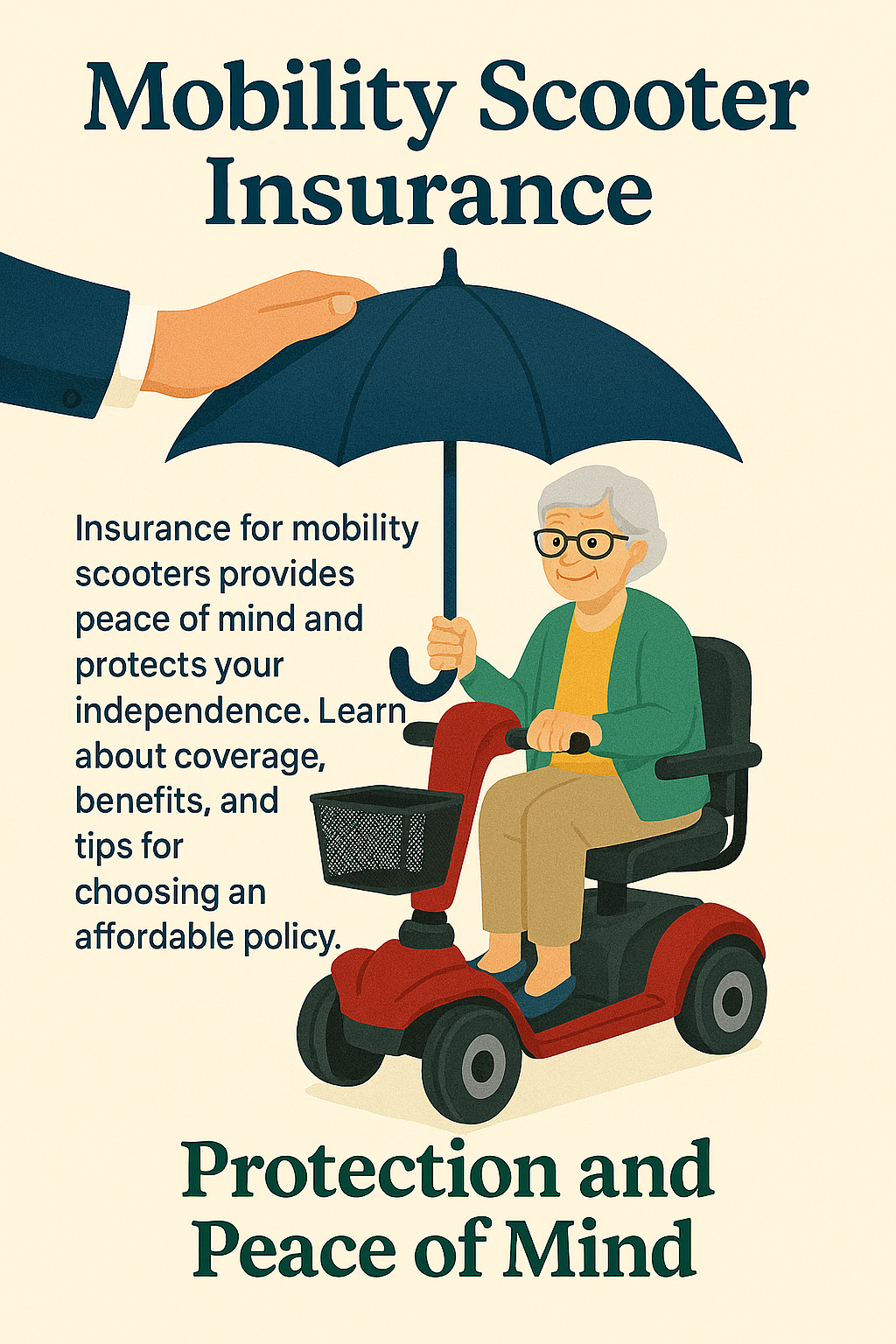
Medicare Part B (USA) may cover a mobility scooter if a doctor certifies medical necessity and the supplier is Medicare-approved. However, most people purchase scooters out of pocket, and prices have come down significantly in recent years.
Talk to your doctor or an occupational therapist. They can help assess your needs and, if applicable, provide the documentation required for insurance coverage.
Step 10: Trust Your Instincts—and Take Your Time
There is no single “best” scooter for all seniors.
The right choice depends on you—your lifestyle, your comfort, your budget, and your unique needs.
Don’t rush. Don’t let a salesperson pressure you. And don’t settle for something that doesn’t feel right. A good dealer will encourage test drives and answer all your questions patiently.
If they don’t, it’s worth continuing your search elsewhere.
Real Stories, Real Freedom
Let’s take a moment to hear from people who’ve been where you are.

One user shared: “I was just too embarrassed about what I would look like, and if anyone I knew would see me. For the first four or five years of having the scooter, it rarely went anywhere. … [But now] I just go anywhere on it.”
Another said: “It lets me actually join in with life instead of sitting on the sidelines.”
And a caregiver reflected: “Most seniors don’t see a scooter, walker, or cane as a tool. They see it as a label. Mobility assistance often feels like losing freedom. But embarrassment usually fades after the first successful outing. Comfort quickly outweighs concern.”
These aren’t just stories—they’re proof that mobility scooters change lives. Not by taking something away, but by giving something back: the freedom to participate, to connect, and to enjoy the world on your own terms.
Your Next Step: From Reading to Riding
You’ve made it this far in our Mobility Scooter Guide for Seniors—and that alone tells us you’re serious about reclaiming your independence.
So what’s next?
Start small. Write down your answers to the lifestyle questions we covered earlier. Where will you ride? How far? Who will help with transport? What’s your budget?
Then, visit a reputable dealer. Take a test drive. Feel what it’s like to move freely again. Ask every question that comes to mind—no question is too small or too silly.
And finally, give yourself permission. Permission to choose a tool that helps you live fully. Permission to let go of embarrassment and embrace empowerment. Permission to say,...
"I deserve this.”
A Final Word From Your Friendly Guide
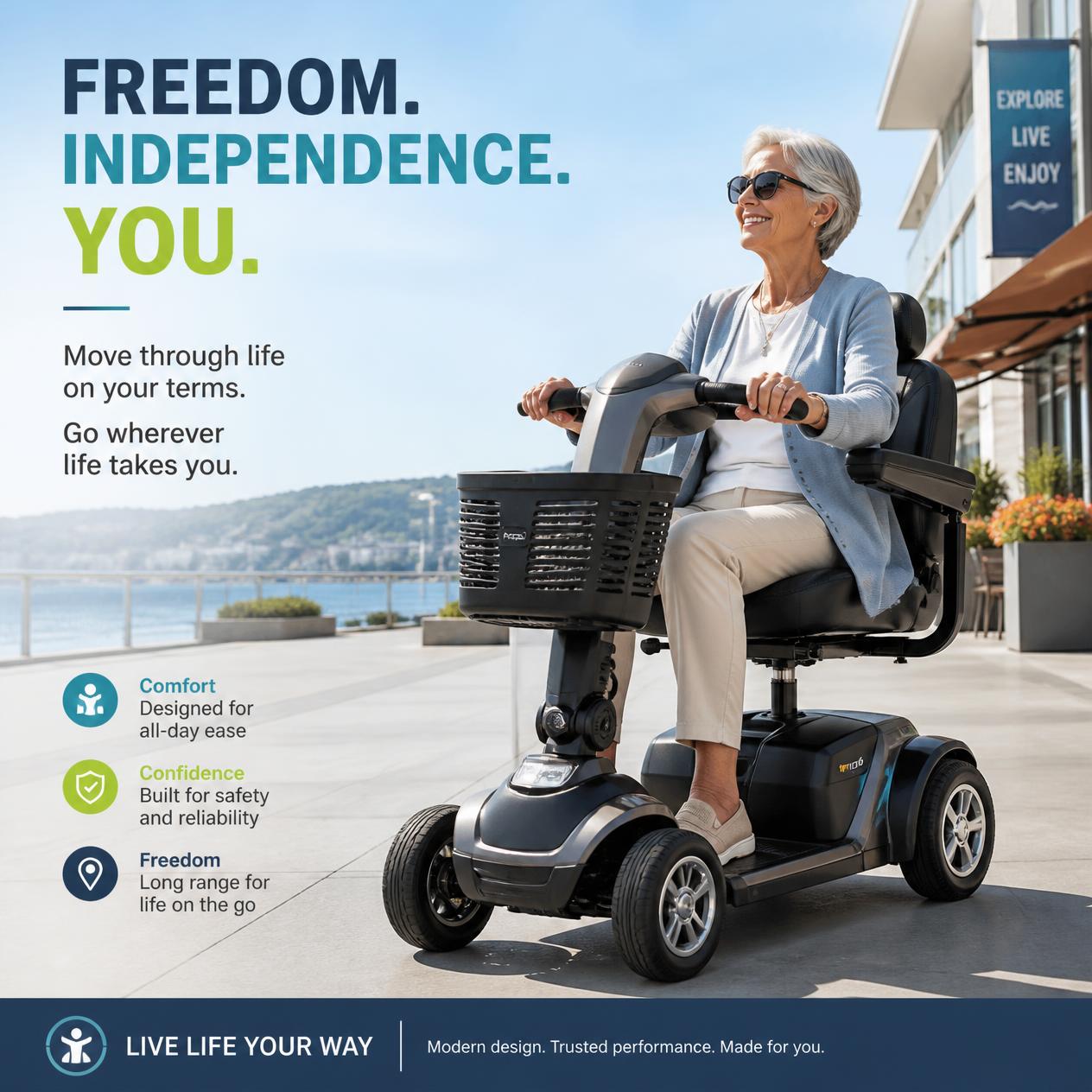
Choosing a mobility scooter is a big decision—but it doesn’t have to be a stressful one. With the right information, the right support, and the right mindset, you can find a scooter that truly fits your life.
Remember: This Mobility Scooter Guide for Seniors is here for you whenever you need it. Bookmark it. Share it with family. Come back to it when you have questions. You are not alone on this journey—and the freedom you’re seeking is closer than you think.
So go ahead. Take that first step. The world is waiting for you—and your perfect mobility scooter is out there, ready to help you explore it.
You’ve got this. And we’ve got your back.
Like This Guide? Take It With You—And Let’s Talk About Your Situation
You’ve done the hard part. Now let us help you cross the finish line.
Whew! That was a lot of information, wasn't it? We know your head might be spinning with numbers, battery ranges, and weight limits.
That’s perfectly normal. Choosing a scooter is a big decision, and it’s one you shouldn’t have to make alone.
That’s why we’ve turned this Mobility Scooter Guide for Seniors into a beautiful, large-print PDF—perfect for reading on your tablet or printing out to share with your family over the dinner table.
But we have something even better for you.
We’re offering a free, 15-minute "Second Opinion" Phone Chat. No pressure. No salesman jargon. Just a friendly, real human being who knows mobility scooters inside and out.
Think of it as having a knowledgeable neighbor pop over for a cup of tea to answer all those specific questions this guide couldn’t cover—like whether a scooter will fit through your front door, or how steep your driveway really is.
Here’s what you get, absolutely free:
📄 The Large-Print PDF Guide: Read it offline, zoom in, or print it out.
📞 A No-Obligation Phone Call: Speak directly to a mobility expert who genuinely listens.
✅ Clarity & Peace of Mind: Walk away knowing exactly what to do next—no confusion, no regret.
There’s absolutely no cost, and no one will try to "sell" you. We just want to help you get your freedom back.
Enter your email below, and we'll send it straight to your inbox.
Email Signup Box
"We respect your privacy. Your info is safe with us, and there is zero obligation to buy anything."
Stay mobile, stay confident!
Sign up for our monthly Mobility Scooter Newsletter to receive practical guides, expert advice, and inspiring stories that help you make the most of your scooter and download our free "Mobility Scooter Guide for Beginners."
Don't worry — your e-mail address is totally secure.
I promise to use it only to send you our newsletter, "Mobility Matters."
Recent Articles


-
Choosing the Right Battery Capacity 101: (Ah vs Wh)
Oct 09, 26 06:28 AM
 Choosing the Right Battery Capacity Guide: Compare Ah vs Wh, estimate range, and pick the best battery for your routine.
 -
The Battery Maintenance Guide Every Scooter Owner Needs
Oct 09, 26 06:23 AM
Mobility scooter battery maintenance: how to preserve capacity and extend lifespan. Stop replacing batteries early. Get the most from every charge. -
Stop! Compare AGM, Gel, and Lithium Before You Buy (
Oct 08, 26 08:59 AM
How to compare AGM, gel, and lithium batteries for mobility scooters: Stop guessing. Get the honest facts before you spend your money.


Ready to Feel More Confident on Your Mobility Scooter?

My Ebook, The Ultimate Guide to Mobility Scooters, walks you through choosing the right scooter, using it safely, and keeping it in top condition — all explained in clear, friendly language.
Give yourself (or someone you love) the gift of independence.

