- Home
- Services and Shopping
- What to Ask a Scooter Dealer
- What to Ask When Buying a Used Mobility Scooter
What Should I Ask a Dealer When Buying a Used Mobility Scooter (Inspection, History, Battery Health)?
Picture this: You've found a used mobility scooter at a price that seems almost too good to be true. The photos look great. The seller says it's "barely used" and "in perfect condition." You hand over your money, take it home, and within three months, the battery dies. Then the motor starts making strange noises. Then the brakes feel... off.
You call the seller. No answer. You check the warranty—there isn't one. You're facing hundreds of dollars in repairs, and your "great deal" has turned into an expensive nightmare.
This story is all too common.
Bluesky Healthcare reports that customers frequently purchase secondhand scooters they were told were "good as new" and "barely used," only to experience significant issues or get stuck because the battery needs replacing within 3 to 6 months.
One Australian user noted that under normal usage, battery life of two 100AH batteries is limited to two years, after which they have to be replaced at an eye-watering cost of approximately $300-$500 each.
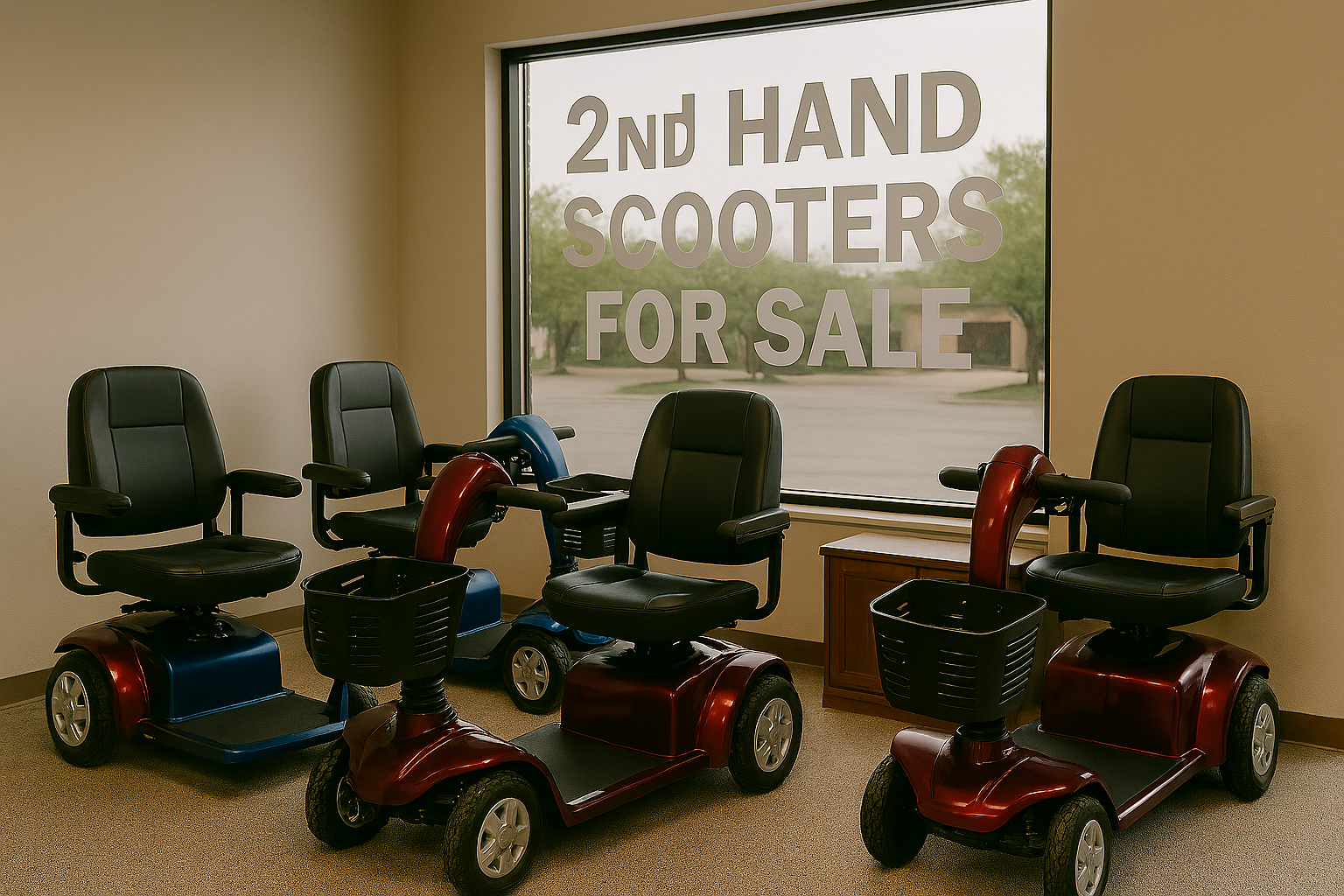
But here's the truth: buying a used mobility scooter can be a smart way to save money while regaining your independence. A well-maintained second-hand scooter may offer years of reliable use.
The difference between a great deal and a costly mistake comes down to what you ask and what you check before handing over any money.
Knowing what to ask a dealer when buying a used mobility scooter—about inspection, history, and battery health—can save you hundreds of dollars and years of frustration.
This guide will walk you through every question you need to ask, from the first phone call to the final handshake.
Let's get started—because your independence and your budget deserve protection.
Before You Even See the Scooter – Questions to Ask on the Phone
The best time to start thinking about what to ask a dealer when buying a used mobility scooter isn't when you're standing next to it—it's before you even leave home.
What Make and Model Is It?
Ask the dealer: What make and model is the scooter?
Even before going to view the mobility scooter, ask over the phone what make and model is being sold. This allows you to do your research. Make sure it has a weight capacity, battery range, and features that are appropriate to your needs.
Why it matters: Some parts may be harder to replace for older or discontinued units. If the model has been discontinued, spare parts might be difficult or expensive to obtain.
When Was It Last Used?
Ask the dealer: When was the scooter last used regularly?
This will give you an idea of what the battery condition might be like. It might be from a family member who hasn't used it for many months and that it has just been sitting in the garage or even outdoors. This should raise alarm bells.
Why it matters: Batteries need to be regularly charged to be maintained. If you let it run flat for too long, it will affect the amount of charge that the battery can hold. The longer it has been unused, the more likely it is that it will need a new battery in the near future. The exception is when the scooter has been kept on charge while not in use.
Ask: Has the scooter been kept on charge while not in use?
The best way of storing a scooter is to keep it plugged in whenever it is not in use.
Where Was It Originally Purchased?
Ask the dealer: Where was the mobility scooter purchased from originally, and under what name?
That way you can call the company and follow up on some details about the actual model, service and repair history of that particular scooter. You will also have a place to call that will be able to maintain and fix it if need be.
Why it matters: A scooter with a documented service history is easier to assess honestly. Ask what servicing has been carried out, by whom, and whether any parts have been replaced.

Battery Health – The Single Most Important Question
When you're figuring out what to ask a dealer when buying a used mobility scooter, battery health is the number one priority. It's the biggest "gotcha" in used scooter buying.
How Old Are the Batteries?
Ask the dealer: How old are the batteries?
Batteries are a wear item on any scooter, and older or poorly maintained batteries reduce range and reliability. Batteries typically need replacement every 2–4 years. If the mobility scooter is second-hand, it most likely requires a new battery.
Ask: Have the batteries been professionally tested?
Ask: Were they regularly charged while the scooter was not in use?
How Long Do They Hold a Charge?
Ask the dealer: How long do the batteries hold a charge, and what is the typical range per charge?
Why it matters: A test ride helps you feel it firsthand. Batteries that discharge quickly, show corrosion, or have never been replaced after several years are red flags to avoid.
Can I Test the Battery Myself?
Ask the dealer: Can I test the battery myself with a multimeter?
The most effective way to test the condition of a battery is using a multimeter. A digital multimeter set to DC voltage can reveal whether the batteries are holding a proper charge.
What to look for:
- 24-25V at rest – Healthy 24V system
- 23-24V – May be nearing end of life
- Below 23V – Battery is failing
What else to check: Look for corrosion, bulging, or damaged terminals before more technical testing
What Does Battery Replacement Cost?
Ask the dealer: How much does a replacement battery cost for this model?
Depending on the size of the mobility aid, batteries can cost anywhere from $400 to $800 for a full replacement. Lithium battery replacement often starts around $500.

Physical Inspection – What to Check When You See It
A physical inspection is essential. Here's what to ask a dealer when buying a used mobility scooter during the in-person viewing.
Frame and Body
Check: Is the frame structurally sound with only reasonable cosmetic wear?
What to look for:
- Minor scratches and scuffs (normal for used)
- Some rust but structurally sound
- Cracks, bent metal, corrosion, water damage, or repaired wiring
Why it matters: A cracked frame is a safety hazard and often not worth repairing. Cosmetic issues are expected, but structural damage is a dealbreaker.
Tyres and Wheels
Check: What is the condition of the tyres?
What to look for:
- Even tread, no cracks, correct pressure
- Some wear but still usable
- Perishing, flat spots, bulges, grinding, or uneven wear
Why it matters: A new set of tyres and tubes can cost a few hundred dollars, depending on the model. Individual tyres and tubes can cost $35-$60 per wheel, but for some models like the 140XL scooter, a single tyre can cost approximately $160.
Seat and Controls
Check: Is the seat comfortable, adjustable, and easy to operate?
What to look for:
- Comfortable, adjustable, good support
- Some wear but functional
- Loose seat, poor support, difficult controls, or inadequate legroom
Why it matters: Even small damages like tears in the seat or armrests can escalate over time.
Lights, Indicators, and Electrics
Check: Do the lights, indicators, horn, controls, and display work consistently?
What to look for:
- All lights and indicators in working order
- Some intermittent issues
- Flickering display, warning lights, or intermittent switches
Why it matters: Lights and indicators are required for safety compliance.
Charger
Check: Is the correct charger supplied with an undamaged cable and secure connection?
What to look for:
- Correct charger, good condition
- Missing, incompatible, damaged, or overheating charger
Test Drive – The Ultimate Test
No number of questions can replace actually driving the scooter. A test drive is essential.
What to Test During the Drive
Ask the dealer: Can I take the scooter for an extensive test ride?
What to test:
Acceleration and Braking:
- Smooth acceleration, controlled stopping
- Delayed braking, pulling to one side, stiffness, or unusual noises
Steering:
- Smooth, straight tracking
- Pulling to one side or stiffness
Battery Bar:
- Battery bar does not move during the test ride
- Battery bar drops noticeably
Why it matters: Most gophers are designed to travel between 20km and 50km, so a 5-10 minute test ride should not be showing up on the battery bar. If you notice a change in the battery bar, it's an indication that the battery is not working at its full capacity and might need replacing soon (this usually costs around $650).
Suspension:
Ask: Can I ride over some potholes, grates, or uneven surfaces?
This will allow you to feel how well the suspension is working. You wouldn't want bumps in the road causing a sore back down the line.
Bring a Second Opinion
Ask: Can I bring a friend or family member along?
Try to take a friend or family member along with you so they can give you a second opinion.
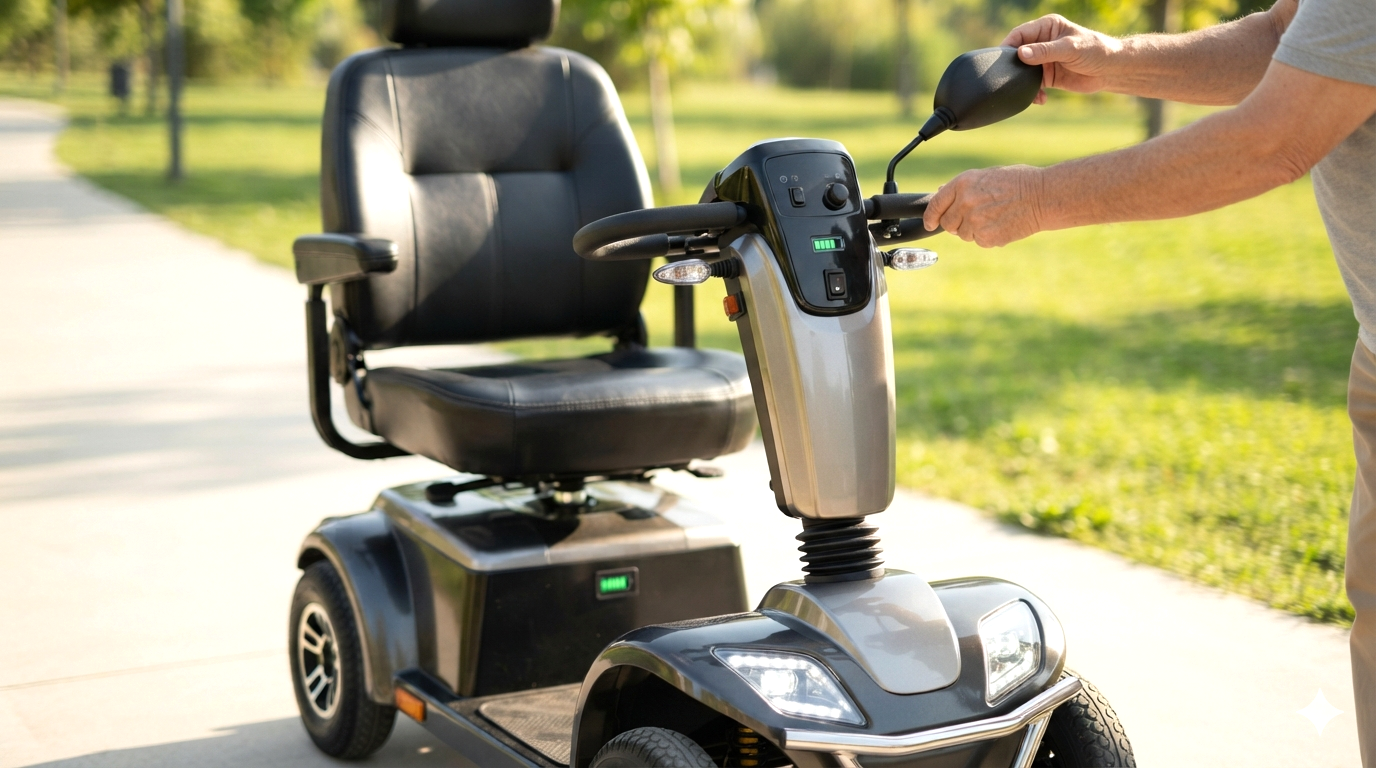
Service History and Documentation
When you're figuring out what to ask a dealer when buying a used mobility scooter, don't forget about the paperwork.
Service History
Ask the dealer: Do you have any service or repair history for this scooter?
It is advisable to inquire with the seller about the scooter's service history and the date when the battery was last replaced. A scooter with a documented service history is easier to assess honestly. Ask what servicing has been carried out, by whom, and whether any parts have been replaced.
Proof of Original Purchase
Ask the dealer: Do you have the original purchase receipt?
If you browse these channels, insist on a working demo, verify the brand and serial number, and ask for proof of original purchase and maintenance history.
Serial Number
Ask the dealer: What is the serial number?
Verify the brand and serial number. Check that the serial number on the scooter matches any documentation.
For a complete guide to paperwork, read our full guide: What Paperwork Should I Expect When Buying a Mobility Scooter in Australia?
Dealer vs Private Seller – What's the Difference?
One of the most important things to ask a dealer when buying a used mobility scooter depends on who you're buying from.
Buying from a Dealer
Advantages:
- Inspection and servicing: A specialist mobility retailer can inspect, service, and test a scooter before sale
- Warranty: Buying from a retailer gives you much more consumer protection, and almost all equipment will be covered
- After-sales support: A licensed dealer can provide full guarantees and a history of service
Typical dealer warranties:
- 3 months on mechanical equipment
- No warranty on batteries unless expressly given
- No warranty on electronic components or systems
Ask the dealer: What warranty do you offer on this used scooter?
Buying from a Private Seller
Risks:
- No warranty: Most warranties don't transfer to second-hand owners
- No consumer protection: Private sales usually do not offer a guarantee
- Limited knowledge: A private seller may be honest about the scooter's condition but still lack the equipment or technical knowledge needed to identify deteriorating batteries
What to ask a private seller:
- How often was the scooter used, and what was its purpose?
- Was it maintained regularly and serviced?
- Why are you selling it?
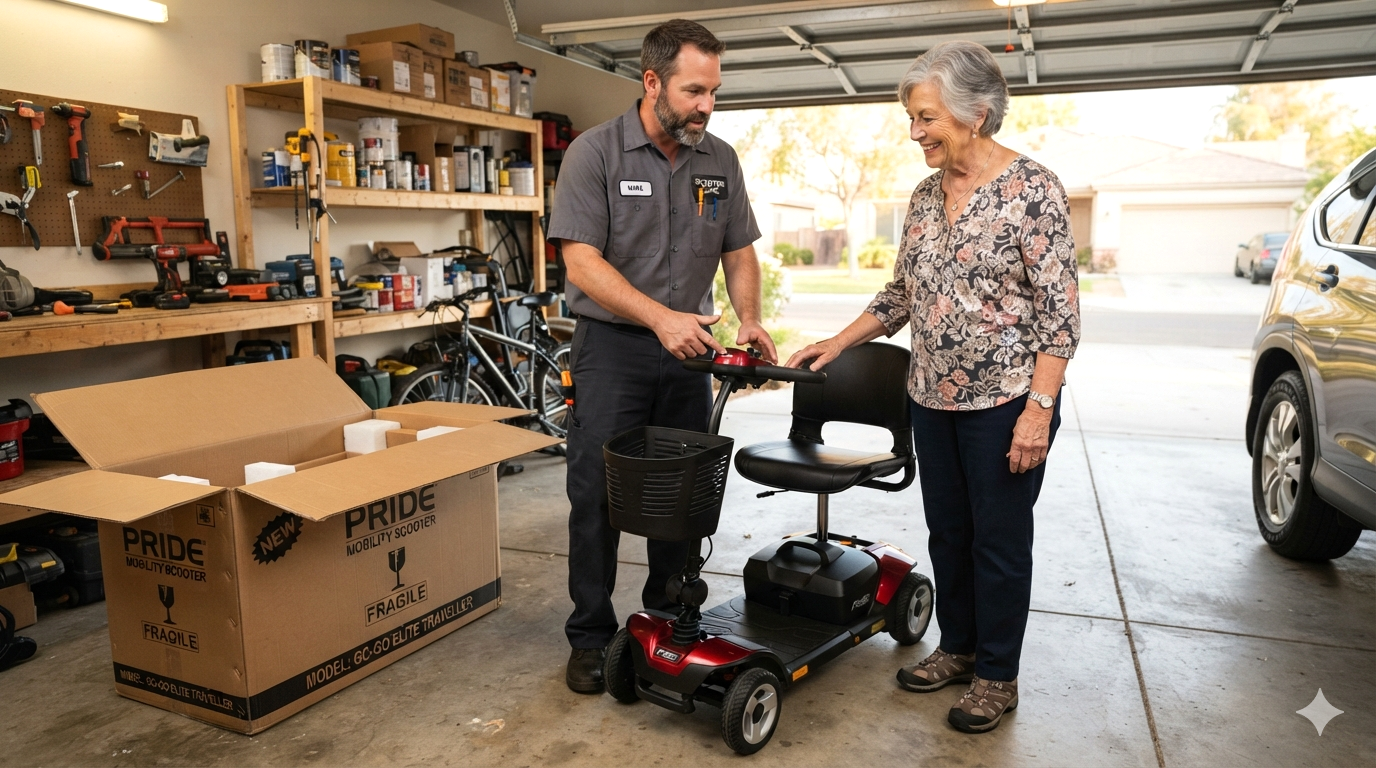
Red Flags – When to Walk Away
Knowing what to ask a dealer when buying a used mobility scooter also means knowing when to walk away.
Red Flag #1: The dealer won't let you test drive. If you can't test it, don't buy it.
Red Flag #2: The dealer can't answer basic questions. If they don't know the battery age, service history, or where it was purchased, that's a problem.
Red Flag #3: The battery bar drops during the test drive. This indicates the battery is not working at full capacity.
Red Flag #4: No service history is available. A scooter without service history is harder to judge honestly.
Red Flag #5: The dealer makes you pay for service upfront. This has been reported as a red flag by customers.
Red Flag #6: The dealer doesn't answer enquiries or ignores you. Multiple customers have reported dealers who "don't answer enquiries, completely ignore you".
Red Flag #7: The business has a cancelled ABN. Check the Australian Business Register. If a dealer's ABN has been cancelled, that's a major warning sign.
For a complete guide to red flags, read our full guide: What Are the Red Flags of a Mobility Scooter Dealer?
Your Used Scooter Questions Checklist
Here's a quick checklist of everything to ask a dealer when buying a used mobility scooter:
Before You View It
- □ What make and model is it?
- □ When was it last used regularly?
- □ Has it been kept on charge while not in use?
- □ Where was it originally purchased?
- □ Do you have any service history?
Battery Questions
- □ How old are the batteries?
- □ Have they been professionally tested?
- □ How long do they hold a charge?
- □ What is the typical range per charge?
- □ Can I test the battery with a multimeter?
- □ How much does replacement cost?
Physical Inspection
- □ Is the frame structurally sound? (No cracks, bends, or corrosion)
- □ What is the condition of the tyres?
- □ Is the seat comfortable and adjustable?
- □ Do all lights, indicators, and controls work?
- □ Is the correct charger included?
Test Drive
- □ Does it accelerate smoothly?
- □ Does it brake promptly and smoothly?
- □ Does it steer straight?
- □ Does the battery bar stay steady?
- □ How does it handle bumps and uneven surfaces?
Documentation
- □ Do you have the original purchase receipt?
- □ What is the serial number?
- □ Do you have any service or repair history?
- □ What warranty do you offer?

Your Next Steps
So there you have it—everything you need to know about what to ask a dealer when buying a used mobility scooter. You know what to ask about battery health, physical inspection, service history, and warranties. You know the difference between buying from a dealer and a private seller. And you know the red flags that should send you walking.
Remember: a used mobility scooter can be a great deal—but only if you do your homework. The difference between a bargain and a burden often comes down to the questions you ask before you hand over your money.
A good dealer will welcome your questions. They'll have service history available, let you test drive, and offer some form of warranty. If a dealer is evasive, rushes you, or can't answer basic questions—that's a red flag.
Your independence and your budget deserve protection. And now you know exactly how to protect them.
Ready to dive deeper? Explore our full range of guides on mobility scooter. Each article is designed to give you the confidence to make the best decision for your mobility and quality of life.
Frequently Asked Questions
What should I ask a dealer when buying a used mobility scooter?
Ask about the battery age and condition, service history, original purchase location, warranty coverage, and always request a test drive. Check the frame, tyres, seat, lights, and controls during a physical inspection.
How do I check the battery health on a used mobility scooter?
Use a digital multimeter set to DC voltage. A fully charged 24V system should read 24-25V at rest. Anything below 23V means the battery is failing. Also, take a test drive—the battery bar should not drop noticeably during a short ride.
How much do replacement batteries cost for a mobility scooter?
Batteries typically cost $400-$800 for a full replacement. Smaller SLA battery packs start around $100, while larger batteries like 75Ah can run $400 or more. Lithium battery replacement often starts around $500.
Do used mobility scooters come with a warranty?
If buying from a dealer, you may get a warranty—typically 3 months on mechanical equipment, with no warranty on batteries or electronics unless expressly given. If buying privately, the manufacturer's warranty is generally void.
Is it better to buy a used mobility scooter from a dealer or a private seller?
A dealer is generally safer—they can inspect, service, and test the scooter before sale, and you get consumer protection and usually some warranty. Private sellers are cheaper but offer no warranty or protection.
What should I check during a physical inspection of a used mobility scooter?
Check the frame for cracks or corrosion, tyre condition and tread, seat comfort and adjustability, all lights and indicators, the charger, and the battery terminals for corrosion or damage.
What are the red flags when buying a used mobility scooter?
Red flags include: dealer won't let you test drive, can't answer basic questions, battery bar drops during test drive, no service history, unresponsive dealer, or cancelled ABN.
Stay mobile, stay confident!
Sign up for our monthly Mobility Scooter Newsletter to receive practical guides, expert advice, and inspiring stories that help you make the most of your scooter and download our free "Mobility Scooter Guide for Beginners."
Don't worry — your e-mail address is totally secure.
I promise to use it only to send you our newsletter, "Mobility Matters."
Recent Articles


-
Portable vs Travel vs Folding Mobility Scooters Buyer's Guide
Sep 15, 26 11:01 AM
 Confused by "portable," "travel," and "folding" mobility scooter listings? This guide explains what Australian sellers actually mean, with real weight comparisons and a decision framework.
 -
Mobility Scooter Types Overview: No More Confusion
Sep 15, 26 10:54 AM
 Mobility scooter types explained in plain English. Includes Australian footpath rules, airline battery limits, and the one mistake most first-time buyers make.
 -
How to Choose a Mobility Scooter in Australia Guide (2026)
Sep 15, 26 07:29 AM
 Choosing a mobility scooter in Australia? This guide covers registration requirements by state, public transport dimensions, NDIS funding steps, and practical testing advice.



Ready to Feel More Confident on Your Mobility Scooter?

My Ebook, The Ultimate Guide to Mobility Scooters, walks you through choosing the right scooter, using it safely, and keeping it in top condition — all explained in clear, friendly language.
Give yourself (or someone you love) the gift of independence.

