- Home
- Services and Shopping
- What to Ask a Scooter Dealer
- Mobility Scooter Dealer Red Flags
What Are the Red Flags of a Mobility Scooter Dealer? – Your Buying Warning Guide
Picture this: You've been saving for months. You've done your research, chosen the perfect mobility scooter, and handed over thousands of dollars to a dealer who promised the world. They assured you of in-person support, reliable delivery, and genuine care for your needs.
Then, silence.
Your scooter never arrives. Your calls go unanswered. The business seems to have vanished into thin air.
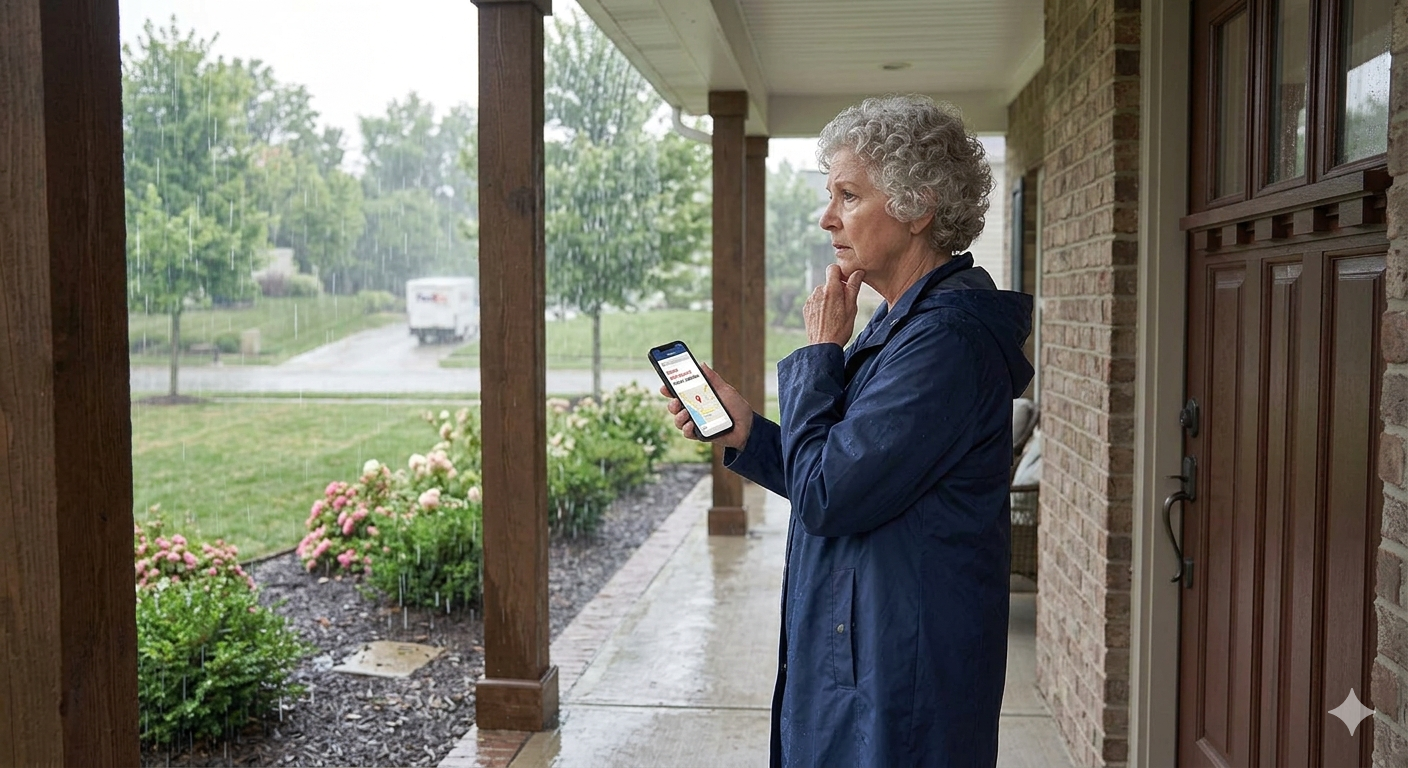
This isn't a horror story – it's precisely what happened to Russell Burns, a 64-year-old from Barcaldine in central west Queensland. Mr Burns, who struggles to walk and can barely leave his house, ordered a mobility scooter worth $6,300 from a company called Remote Mobility.
Six months later, he still couldn't contact the business or its owner. Police said the owner told them the business was insolvent, and his Australian Business Number was cancelled.
"I just say, 'Well, I've been at home. I don't have a scooter. I can't go far,'" Mr Burns said.
This heartbreaking story is a stark reminder that knowing what are the red flags of a mobility scooter dealer is just as important as knowing which scooter to buy. The wrong dealer can cost you thousands, leave you stranded, and shatter your independence.
This guide will walk you through the warning signs to watch for, from financial red flags to service problems and product quality issues. By the end, you'll know exactly what to avoid – and how to find a dealer you can trust.
Let's get started – because your mobility and your money deserve protection.
Financial Red Flags – When Money Disappears
The most devastating red flags are the ones that cost you thousands of dollars. Here's what to watch for.
Upfront Payment Demands
Many legitimate dealers require deposits or upfront payments, especially for custom orders. But be very cautious if a dealer insists on full payment before you've seen the product – and especially if they're vague about delivery timelines.
Remote Mobility promised in-person support at the point of purchase and delivery of products like walkers, wheelchairs and scooters to remote Queensland communities. They assured customers of a "thorough and tailored experience that genuinely cared for remote communities". But after taking payments – from a few hundred dollars to $10,000 for servicing contracts – the goods never arrived, and the company vanished.
The worst part? Remote Mobility never even ordered the products from the manufacturer. When the peak body for disability in western Queensland contacted the manufacturer directly, they discovered "the goods were never ordered through them, they were never paid for, they were never delivered to Remote Mobility".
What to do: Never pay the full amount upfront without a clear delivery timeline and a written contract. Ask about payment milestones – deposit on order, balance on delivery.
If a dealer can't give you clear answers about when your scooter will arrive and what happens if it doesn't, that's a red flag.
Cancelled ABN or Unregistered Business
Remote Mobility's owner had registered three healthcare businesses since February 2021, but his ABN (Australian Business Number) was cancelled in August 2025. A cancelled ABN is a massive red flag – it means the business is no longer registered to operate in Australia.
What to do: Before buying from any dealer, check their ABN on the Australian Business Register. It's free, takes two minutes, and could save you thousands.
If the ABN has been cancelled or the business isn't registered, walk away.
"Too Good to Be True" Pricing
If a dealer is offering prices significantly below market rates, be suspicious. One customer reported being quoted $2,500 for a scooter motor by a dealer – "you can get a new scooter cheaper than that". While not exactly a low price, it highlights how some dealers exploit customers who have no other options.
Similarly, watch for dealers who add hidden charges. One customer reported that a dealer added "another week of charges" for a rental, turning a six-week arrangement into a seven-week bill.
Service and Support Red Flags – When the Help Never Comes
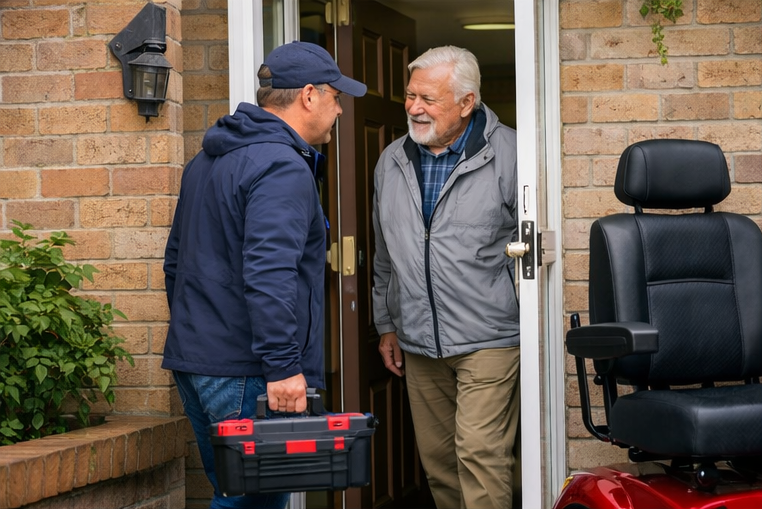
Once you've bought your scooter, the real test of a dealer begins. Here are the warning signs that a dealer won't support you when things go wrong.
They Don't Answer Calls or Emails
This is one of the most common complaints about bad dealers – and it's a massive red flag.
"My 83 year old father tried so many times to get someone to come out and fix his mobility scooter, they don't call back," one reviewer wrote about a major Australian mobility retailer.
Another customer of a different dealer reported: "They don't answer emails and they don't answer the phone except call back at their own convenience."
And a third: "repeated follow-ups, no returned calls and a pattern of customer complaints".
What to do: Test the dealer before you buy. Call them with a question. Send an email. See how long it takes to get a response.
If they're unresponsive before the sale, they'll almost certainly be worse after.
They Make You Pay for Service Upfront
Some dealers require payment before they'll even attend your home for a service call. While call-out fees are normal, being asked to pay the full-service cost upfront should raise concerns.
One customer described this as a major red flag: "They make you pay for the service up front before they will attend your home. Never heard of that."
What to do: Ask about payment terms before booking a service. Legitimate dealers may charge a call-out fee, but the full-service cost should typically be payable after the work is completed, not before.
Long Wait Times for Repairs
When your scooter is your primary means of getting around, waiting a week or more for a repair isn't just inconvenient – it's devastating.
One customer reported: "when they do, they make you wait over a week for anyone to come out". Another dealer was described as having "slow or absent follow-up".
What to do: Ask about typical and worst-case turnaround times before you buy. If a dealer can't give you straight answers, that's a red flag.
Also ask if they provide loan scooters during repairs – a dealer who offers this is showing genuine commitment to keeping you mobile.
No Service Report or Transparency
After a service, you should receive a report detailing what was done and what was found. If a dealer won't provide one, that's a problem.
One customer reported: "I booked my mobility scooter in for a service. I was not given a report." Another said: "It took adverse pressure to be given a service report that should be given at time of pickup."
What to do: Always ask for a written service report. It protects you and gives you a record of what was done.
They Don't Stock Parts
If a dealer doesn't stock spare parts locally, you could be waiting weeks or months for a simple fix.
One customer described a nightmare scenario: "We required parts for this chair it became a nightmare. We accidentally damaged a cable to the control unit and as they no longer take phone calls we jumped through all their hoops and ordered the part online. 30 days later and still no part."
What to do: Ask each dealer how long spare parts typically take to arrive for the model you're considering. If they can't give you a clear answer, that's a red flag.
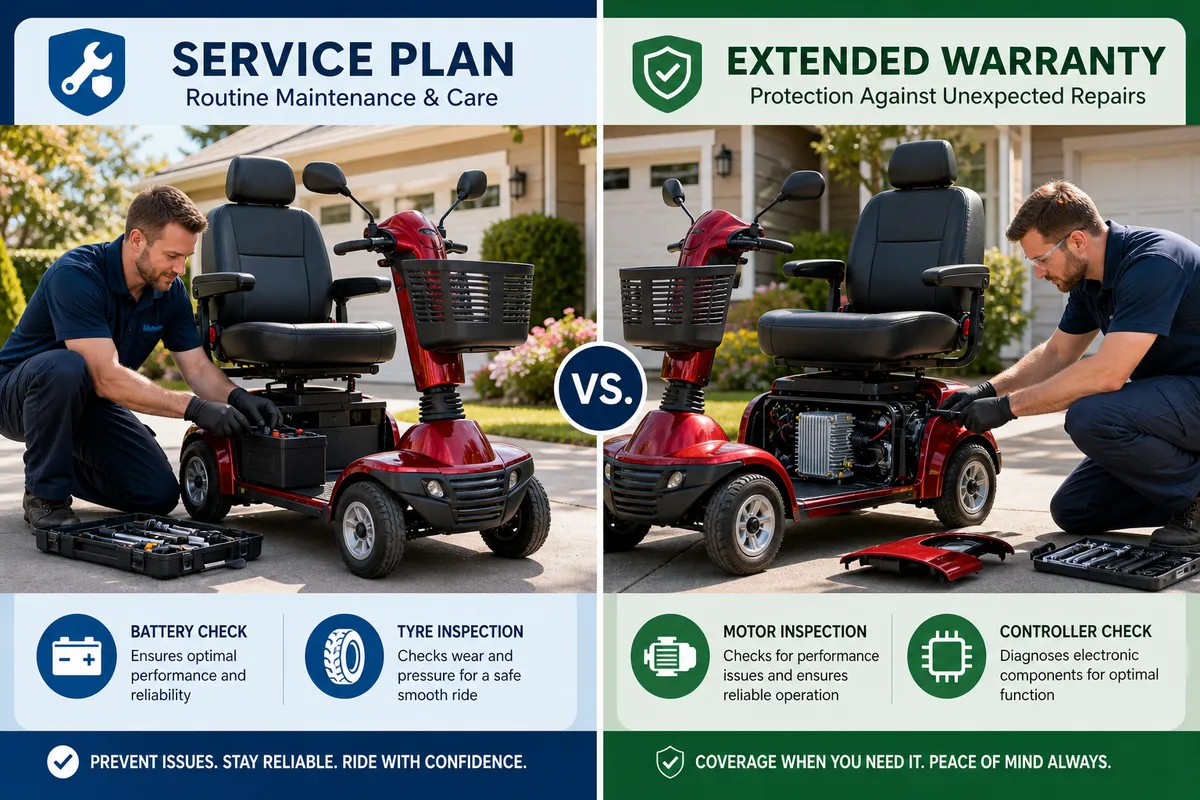
Product and Quality Red Flags – When the Scooter Isn't What You Paid For
Sometimes the red flags aren't about service – they're about the product itself.
Inflated Range Claims
Advertised range figures are often based on ideal conditions that don't match real-world use. But some dealers take this to extremes.
One customer purchased a heavy duty scooter from a major retailer specifically because the salesman advised it had a 52 km range. That range was the key factor in choosing the model.
The reality? The scooter never came close. Even after the dealer replaced both batteries, a real-world test under favourable conditions achieved only about 32.5 km before the battery was fully depleted.
The consequences were distressing: "Dad has had multiple incidents where the battery level drops suddenly and unpredictably, the scooter slows to a crawl far from home, he has to stop before entering an intersection to let the batteries 'rebound' before crossing, he is unsure whether he can safely make it across a road, he has had to abandon trips and call taxis because he fears the scooter simply won't make it."
"For someone with major mobility limitations, the anxiety of being stranded with a failing battery is enormous. It defeats the purpose of purchasing a long-range mobility scooter."
What to do: Always ask for real-world range estimates based on your weight, typical terrain, and usage. Compare advertised range against realistic use.
If a dealer won't give you a straight answer about real-world performance, that's a red flag.
Showroom Models Sold as New
Some dealers pass off floor models as brand new. This is deceptive and could mean you're getting a scooter with wear and tear from countless test drives.
One customer alleged: "I believe the scooter to be a showroom model – not brand spanking new."
What to do: Inspect the scooter carefully before accepting delivery. Look for signs of wear on the tyres, scratches on the frame, and any indication the scooter has been used.
Ask the dealer directly: "Is this a brand new unit, or has it been used as a showroom model?"
They Refuse to Honour Warranties
Under the Australian Consumer Law, you have automatic guarantees that goods must be of acceptable quality and fit for purpose. But some dealers try to deny these rights.
One customer reported: "In Australia there is a statutory warranty of 12 months. The item has to be fit for purpose. [The dealer] refused to honour this warranty."
Another said: "I've been denied the warranty support I am legally entitled to."
What to do: Know your rights under the Australian Consumer Law. If a dealer tries to deny a warranty claim for a legitimate issue, remind them of their legal obligations.
And if they still refuse, report them to your state's consumer protection agency.
The Vulnerability Factor – Why Scammers Target the Mobility Community
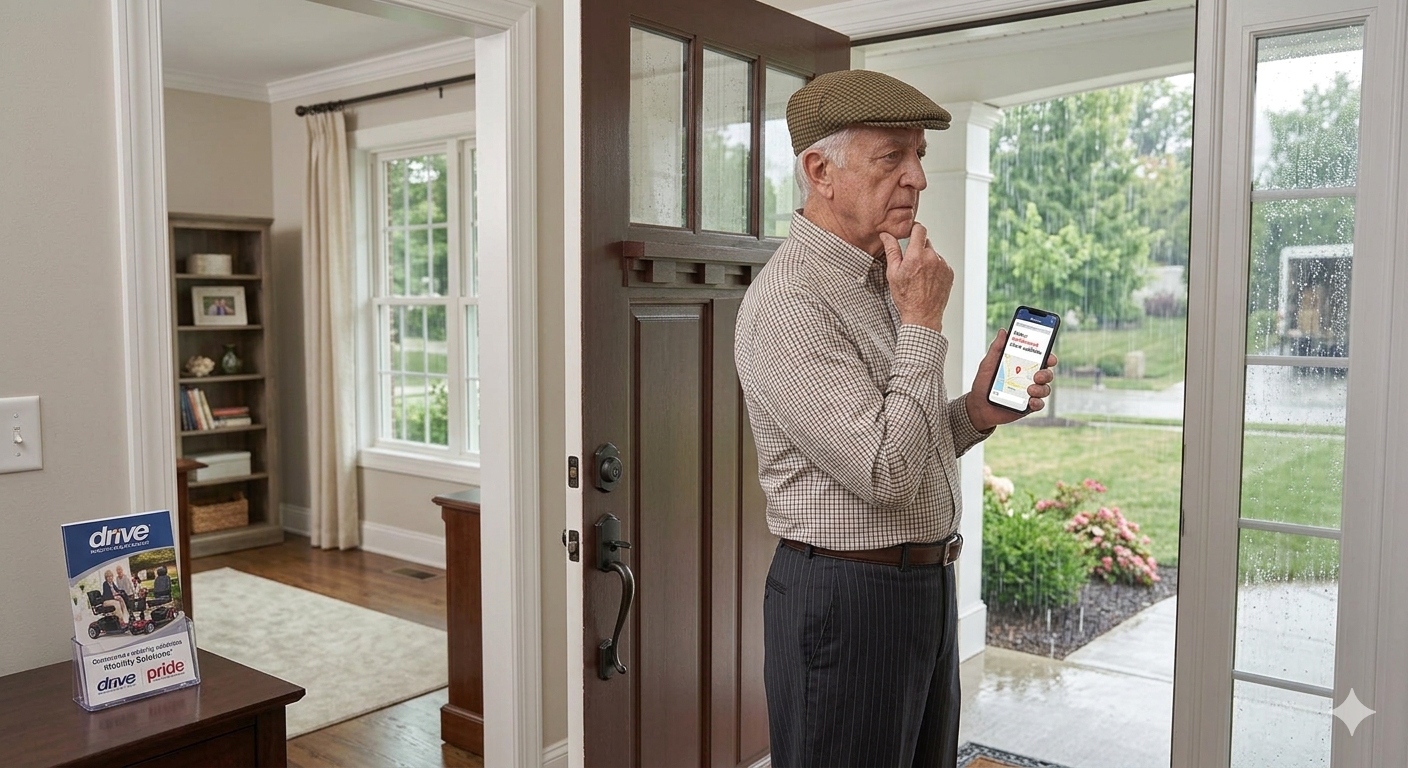
One of the most disturbing aspects of mobility scooter dealer scams is how they prey on vulnerable people.
This pattern is consistent across complaints. Scammers and bad dealers target people who:
- Have limited options – remote communities, people with complex needs
- Are desperate for mobility – people who can't leave their homes without a scooter
- May not be tech-savvy – less likely to check online reviews or ABN registers
- May be isolated – fewer people to warn them or help them navigate complaints
What to do: If you're in a vulnerable position, bring a family member or friend with you when dealing with a dealer. Ask them to help with research and to check the dealer's credentials.
And never feel pressured to decide on the spot – a legitimate dealer will give you time to think.
Your Dealer Red Flag Checklist
Here's a quick checklist to help you spot the warning signs:
|
Red Flag Category |
What to Watch For |
Why It's a Problem |
|
Financial |
Full payment demanded upfront |
You could lose your money if they disappear |
|
Financial |
Cancelled or missing ABN |
Business isn't legitimately registered |
|
Financial |
Prices significantly below market |
Could be a scam or poor quality |
|
Service |
Don't answer calls or emails |
You'll be left stranded when something breaks |
|
Service |
Require upfront payment for service |
Unusual practice – could indicate cash flow problems |
|
Service |
Long wait times for repairs |
You'll be without your scooter for weeks |
|
Service |
Won't provide service reports |
Lack of transparency |
|
Service |
Don't stock spare parts |
Simple fixes will take forever |
|
Product |
Inflated range claims |
Scooter won't perform as expected |
|
Product |
Showroom models sold as new |
You're paying full price for a used item |
|
Product |
Refuse to honour warranties |
Violation of Australian Consumer Law |
How to Protect Yourself
Knowing what are the red flags of a mobility scooter dealer is the first step. Here's how to protect yourself:
1. Do Your Research
Check online reviews – but read them critically. Look for patterns. If multiple customers report the same problems (ghosting, long repair times, high costs), believe them.
2. Verify Their Credentials
Check their ABN on the Australian Business Register. Look for NDIS registration if you're an NDIS participant. Ask about their service capability – do they have in-house technicians?
3. Test Before You Buy
Call them with a question. See how long it takes to get a response. Visit the showroom if possible. Test drive the scooter. A legitimate dealer will welcome your questions and give you time.
4. Get Everything in Writing
Warranty terms, service costs, delivery timelines, return policies – get it all in writing. Don't rely on verbal promises.
5. Know Your Rights
Under the Australian Consumer Law, goods must be of acceptable quality, fit for purpose, and match their description. You're entitled to a replacement or refund for a major failure.
If a dealer tries to deny these rights, that's a red flag.
6. Don't Pay the Full Amount Upfront
A reasonable deposit is normal. Full payment before delivery?
That's a risk you don't need to take.
Your Next Steps
So there you have it – everything you need to know about what are the red flags of a mobility scooter dealer. You know what to watch for, from financial scams to service problems and product quality issues.
Remember: a good dealer is a partner in your mobility. They answer your calls, stock parts locally, honour their warranties, and genuinely care about keeping you moving.
A bad dealer? They take your money and disappear.
The stories in this guide are real – real people, real money lost, real independence shattered. But they don't have to be your story.
Trust your instincts. If something feels wrong, it probably is. Take your time. Do your research. Ask the hard questions. And never, ever feel pressured to buy from a dealer who makes you uncomfortable.
Your independence is worth protecting. And now you know exactly how.
Ready to dive deeper? Explore our full range of guides on mobility scooter. Each article is designed to give you the confidence to make the best decision for your mobility and quality of life.
Stay mobile, stay confident!
Sign up for our monthly Mobility Scooter Newsletter to receive practical guides, expert advice, and inspiring stories that help you make the most of your scooter and download our free "Mobility Scooter Guide for Beginners."
Don't worry — your e-mail address is totally secure.
I promise to use it only to send you our newsletter, "Mobility Matters."
Recent Articles


-
Portable vs Travel vs Folding Mobility Scooters Buyer's Guide
Sep 15, 26 11:01 AM
 Confused by "portable," "travel," and "folding" mobility scooter listings? This guide explains what Australian sellers actually mean, with real weight comparisons and a decision framework.
 -
Mobility Scooter Types Overview: No More Confusion
Sep 15, 26 10:54 AM
 Mobility scooter types explained in plain English. Includes Australian footpath rules, airline battery limits, and the one mistake most first-time buyers make.
 -
How to Choose a Mobility Scooter in Australia Guide (2026)
Sep 15, 26 07:29 AM
 Choosing a mobility scooter in Australia? This guide covers registration requirements by state, public transport dimensions, NDIS funding steps, and practical testing advice.

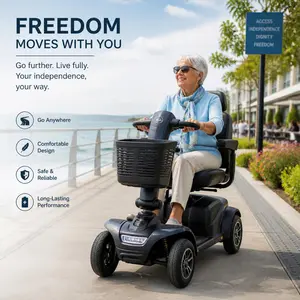

Ready to Feel More Confident on Your Mobility Scooter?

My Ebook, The Ultimate Guide to Mobility Scooters, walks you through choosing the right scooter, using it safely, and keeping it in top condition — all explained in clear, friendly language.
Give yourself (or someone you love) the gift of independence.


