- Home
- Services and Shopping
- Mobile Repair Call-out Expectations
- What questions to ask Before Booking a Repair
What Questions to Ask Before You Book a Mobile Mobility Scooter Repair
Knowing what questions to ask before you book a mobile mobility scooter repair is the single most effective way to avoid surprise fees, wasted call-out charges, and days of unnecessary waiting. When your scooter breaks down, it's easy to grab the phone, book the first available technician, and hope for the best.
But that hope can cost you dearly—sometimes hundreds of dollars more than you expected, or days longer than you anticipated.
Here's the reality: not all mobile repair providers are the same. Some include the first 15 minutes of labour in their call-out fee. Others charge from the moment they leave the workshop. Some carry parts for your specific scooter brand. Others will need to order them, leaving you stranded for a week or more.
And if you're an NDIS participant, the paperwork requirements can add another layer of confusion.
This guide gives you a complete checklist of questions to ask before you commit to any repair. We'll explain why each question matters, what the answers should look like, and how to spot red flags. By the time you finish reading, you'll feel confident, prepared, and in control—ready to book with your eyes wide open.
Let's start with the question that catches more people out than any other—because if you don't ask this, you're almost certainly paying too much.

Question 1: What Is Your Call-Out Fee, and What Does It Include?
This is the most important question you can ask—and the one most people forget to ask clearly.
Why it matters:
Call-out fees vary wildly between providers. Some charge a flat fee that includes the first 15 or 30 minutes of labour onsite. Others charge a base call-out fee plus travel time, plus labour from the moment they arrive. A $70 call-out can quickly become $150 or more if you don't understand the structure.
What to listen for:
A reputable provider will give you a clear breakdown. For example: "$70 call-out fee which includes the first 15 minutes onsite, then $90 per hour charged in 15-minute increments." If they're vague or say "it depends," ask for specifics.
Red flag:
"We'll work it out when we get there." That's a recipe for bill shock.
Now that you know what the call-out covers, let's talk about what happens if they can't fix it onsite—because that's where costs can really escalate.
Question 2: What Happens If You Can't Fix It Onsite?
Some repairs are simply too complex for a mobile visit. But how the provider handles that situation matters enormously.
Why it matters:
If the technician arrives and determines the scooter needs to go to a workshop, who organises transport? Who pays for it? How long will it take? These are costs and delays you need to know about upfront.
What to listen for:
A good provider will explain their process clearly. They might say: "If we can't fix it onsite, we can arrange collection to our workshop. There's an additional transport fee of X dollars, and we'll provide a quote before any workshop work begins."
Red flag:
"We'll figure that out later" or "That's rare, don't worry about it." Rare things happen—and when they do, you want to know the cost.
Speaking of costs, let's get specific about how you'll actually be charged for the work.
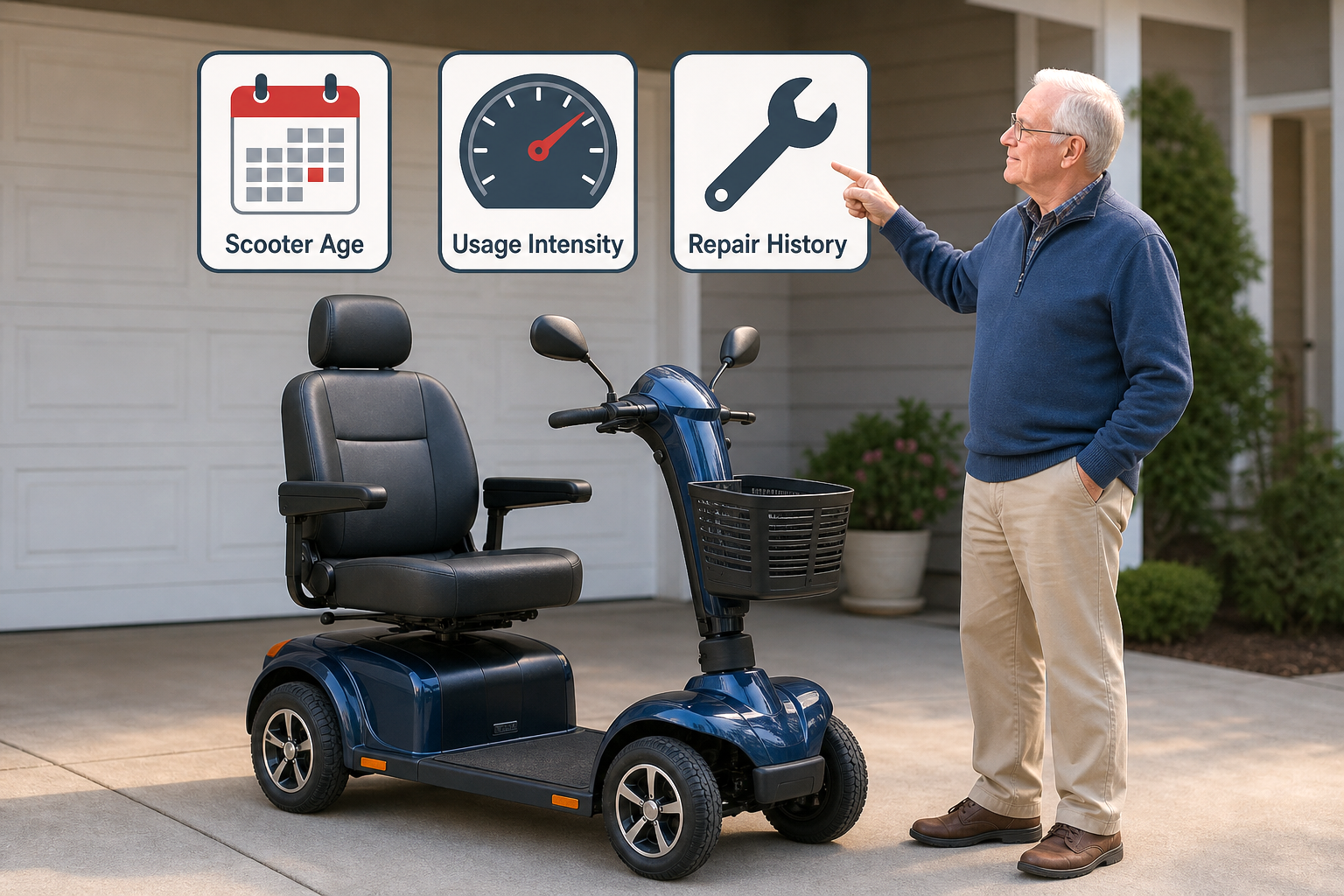
Question 3: What Are Your Hourly Labour Rates, and How Do You Charge?
This question separates transparent providers from those who leave you guessing.
Why it matters:
Some providers charge in full-hour increments—meaning if a job takes 35 minutes, you pay for a full hour. Others charge in 15-minute increments, which is much fairer. The difference can be significant.
What to listen for:
Look for clear, specific answers. "We charge $90 per hour, billed in 15-minute increments after the first 15 minutes included in the call-out fee." That's transparent. "It depends on the job" is not.
Red flag:
Any answer that doesn't give you a specific dollar figure and billing increment.
Labour is one thing. But parts are where many repairs get truly expensive—and where delays often happen.
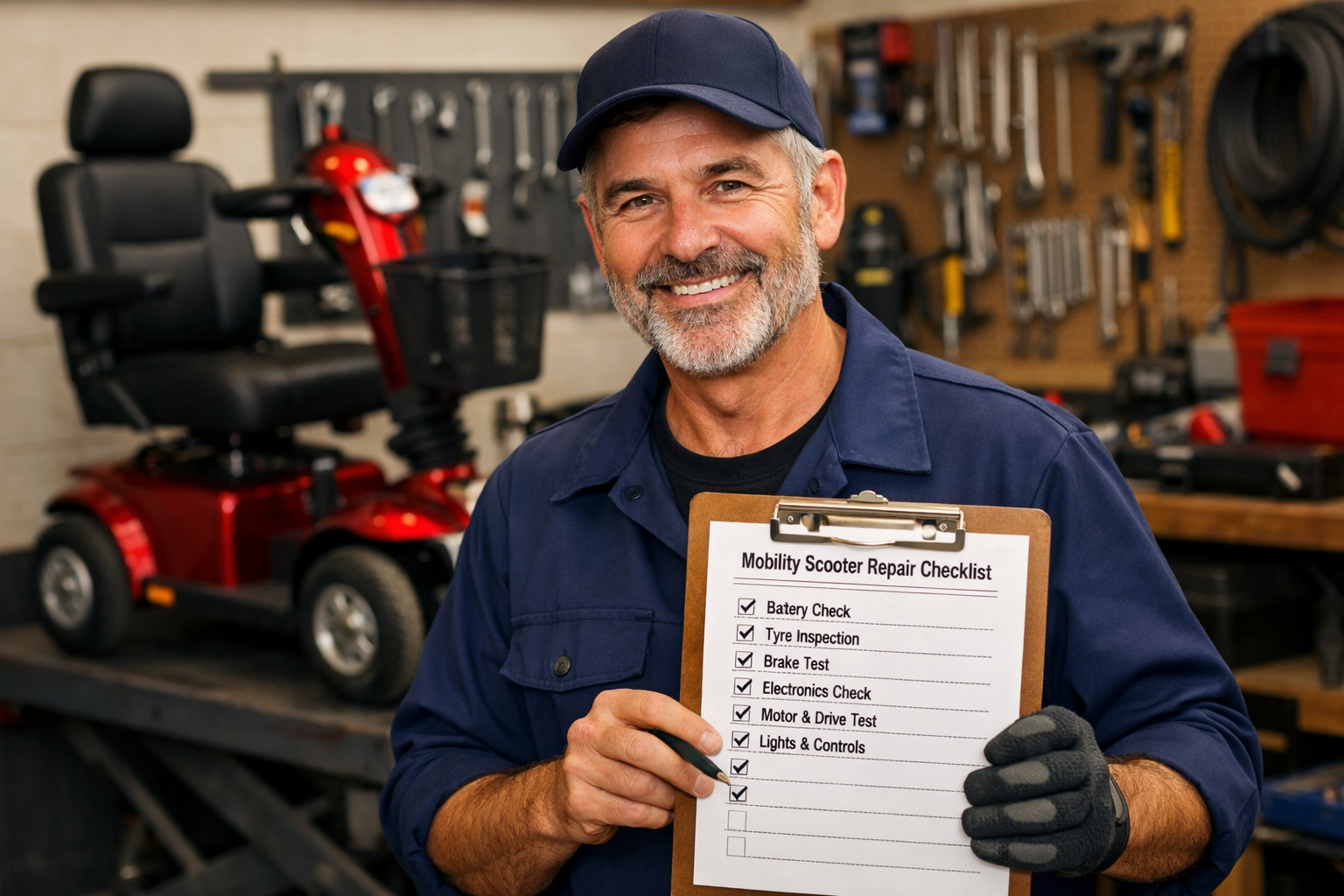
Question 4: Do You Carry Parts for My Scooter Brand, or Will You Need to Order Them?
This question can mean the difference between a same-day fix and a two-week wait.
Why it matters:
If the technician doesn't stock parts for your scooter brand, they'll need to order them. That can take days or even weeks, depending on the brand and where the parts are sourced. Some brands have Australian warehouses; others require international shipping.
What to listen for:
A good provider will ask for your scooter's make and model and check their stock. They might say: "We carry common parts for Shoprider, Pride, and Merits. For other brands, we'll check availability and let you know before we book."
Red flag:
"We'll see what we have when we get there" or "We can usually get parts." "Usually" isn't a guarantee.
Now that you know about parts, let's talk about what happens with your warranty—because this is where many DIY attempts and unauthorised repairs go wrong.
Question 5: Will This Repair Affect My Warranty?
If your scooter is still under warranty, this question is non-negotiable.
Why it matters:
Unauthorised repairs can void your warranty. If you book a technician who isn't an authorised repairer for your brand, you could lose warranty coverage entirely—even if the repair itself is successful.
What to listen for:
"Yes, we're an authorised repairer for [brand]" or "We'll check with the manufacturer before doing any work that might affect warranty." Some providers will also handle warranty claims on your behalf.
Red flag:
"Don't worry about the warranty" or "Warranties are overrated." Any provider who dismisses warranty concerns is not looking out for your best interests.
Warranties protect you from defects. But what protects you from getting a quote that changes after the work starts?
Question 6: Can You Provide a Written Quote Before Starting Work?
Verbal quotes are risky. Written quotes are protection.
Why it matters:
A written quote ensures you know exactly what you're paying for before any work begins. It also protects you if the final bill is higher than expected. Many reputable providers will not start work without providing a written quote first.
What to listen for:
"Absolutely, we'll provide a written quote before any work starts." Some providers may charge a diagnostic fee to prepare the quote, but that fee is often deducted from the final invoice if you proceed with the repair.
Red flag:
"We'll just do the work and give you the bill" or "It's too hard to quote without seeing it first." If they can't give you a written estimate, find someone who can.
With a quote in hand, you're protected. But what if you're an NDIS participant? There's a whole other layer of questions you need to ask.
Question 7: For NDIS Participants — Can You Provide an Itemised Invoice in the Required Format?
If you're an NDIS participant, this question is essential.
Why it matters:
To claim repair costs through the NDIS, you need an itemised invoice that meets the scheme's requirements. Not every provider understands what that means, and a poorly formatted invoice can delay or prevent your claim.
What to listen for:
"Yes, we regularly work with NDIS participants and know exactly what's required." A good provider will also check whether you have available funds in your plan before starting work.
Red flag:
"What's NDIS?" or "We can give you a receipt, that should be fine." It's not fine—and you'll be the one left chasing paperwork.
NDIS funding is capped for urgent repairs. Let's talk about what that means for your budget.

Question 8: What's the NDIS Urgent Repair Cap, and Will My Repair Exceed It?
This is a question many NDIS participants don't think to ask—and it can save you from a nasty surprise.
Why it matters:
The NDIS caps urgent repairs for mobility scooters at $3,000. If your repair exceeds this amount, you'll need additional funding approval, which can cause delays.
What to listen for:
A good provider will be upfront about costs and will tell you if your repair is approaching or exceeding the cap. They may also help you navigate the process of requesting additional funding if needed.
Red flag:
Any provider who doesn't understand NDIS funding limits or who pressures you to proceed without discussing the cap.
Now that you've covered the big-ticket items, let's talk about the practical details—like where the technician can actually work.
Question 9: What's Your Service Area, and Are There Additional Travel Fees?
Mobile repair is convenient, but it's not always available everywhere.
Why it matters:
Some providers only service metropolitan areas. Others charge additional fees for regional or remote locations. If you're outside the city, you need to know this before you book.
What to listen for:
A clear answer about their service area and any travel fees. "We service all of metropolitan Adelaide. For regional areas, please call us to discuss travel costs."
Red flag:
"We go everywhere" without any mention of additional fees. Everywhere usually comes with a price tag.
With the logistics sorted, let's talk about timing—because when your scooter is broken, every day feels like a week.
Question 10: What's the Estimated Timeline From Booking to Completion?
This question sets your expectations and helps you plan.
Why it matters:
Some repairs are same-day. Others take a week or more. Knowing the timeline upfront helps you arrange alternative transport and avoid unnecessary frustration.
What to listen for:
A realistic estimate. "For a battery replacement, we can usually do that same-day if we have the battery in stock. For motor repairs, we'd need to order parts, so allow 3–5 working days."
Red flag:
"We'll get to it when we can" or "It depends." While timelines do vary, a provider should be able to give you a reasonable estimate.
You've asked all the right questions. But there's one more thing to consider—something that can save you money and stress in the long run.
Your Pre-Booking Cheat Sheet
Here's a quick summary of all 10 questions. Save this, print it out, or keep it handy for the moment your scooter breaks down.
|
# 1 2 3 4 5 6 7 8 9 10 |
Question What is your call-out fee, and what does it include? What happens if you can't fix it onsite? What are your hourly rates, and how do you charge? Do you carry parts for my scooter brand? Will this repair affect my warranty? Can you provide a written quote before starting? Can you provide an NDIS-compliant invoice? Will my repair exceed the NDIS $3,000 cap? What's your service area and travel fees? What's the estimated timeline? |
Why It Matters Avoid surprise charges Know transport costs and timelines Understand how your bill adds up Do you carry parts for my scooter brand? Protect your warranty coverage Get protection from bill shock Ensure you can claim funding Avoid funding delays Know if they can actually reach you Plan your alternatives |

Your Peace of Mind Matters Most
Your mobility scooter is your freedom—your link to the community, your errands, and your cherished daily routines. When it breaks down, the last thing you need is confusion about costs, delays, or paperwork.
But here's what we want you to take away from this guide: you are in control. Knowing what questions to ask before you book a mobile mobility scooter repair means you'll never be caught off guard by surprise fees, unexpected delays, or paperwork nightmares. You'll book with confidence, knowing exactly what to expect.
So the next time your scooter needs attention, take a breath. Pull out this guide. Ask the questions.
And remember—you've got this.
Need more help? Check your scooter's user manual for specific troubleshooting advice, or contact your local mobility equipment provider for guidance. And if you're an NDIS participant, don't forget to check your plan has available funding for repairs before booking—urgent mobility scooter repairs are capped at $3,000 under the scheme.
Stay mobile, stay confident!
Sign up for our monthly Mobility Scooter Newsletter to receive practical guides, expert advice, and inspiring stories that help you make the most of your scooter and download our free "Mobility Scooter Guide for Beginners."
Don't worry — your e-mail address is totally secure.
I promise to use it only to send you our newsletter, "Mobility Matters."
Recent Articles


-
Portable vs Travel vs Folding Mobility Scooters Buyer's Guide
Sep 15, 26 11:01 AM
 Confused by "portable," "travel," and "folding" mobility scooter listings? This guide explains what Australian sellers actually mean, with real weight comparisons and a decision framework.
 -
Mobility Scooter Types Overview: No More Confusion
Sep 15, 26 10:54 AM
 Mobility scooter types explained in plain English. Includes Australian footpath rules, airline battery limits, and the one mistake most first-time buyers make.
 -
How to Choose a Mobility Scooter in Australia Guide (2026)
Sep 15, 26 07:29 AM
 Choosing a mobility scooter in Australia? This guide covers registration requirements by state, public transport dimensions, NDIS funding steps, and practical testing advice.



Ready to Feel More Confident on Your Mobility Scooter?

My Ebook, The Ultimate Guide to Mobility Scooters, walks you through choosing the right scooter, using it safely, and keeping it in top condition — all explained in clear, friendly language.
Give yourself (or someone you love) the gift of independence.




