- Home
- Services and Shopping
- Mobility Scooter Service Options
- Mobility Scooter Roadside Assistance
Mobility Scooter Roadside Assistance: What Does It Cover, and What Should You Check Before Joining?
Picture this. You’ve just finished your weekly shop. The sun is shining, you’re feeling good, and you’re cruising home on your mobility scooter with a full bag of groceries and a sense of independence that never gets old.
Then, without warning, your scooter splutters. The power dies. You’re stuck. Right there, halfway home, with no one around and no idea what to do.
That sinking feeling in your stomach? That’s what we’re going to help you avoid today.

If you’ve ever wondered about mobility scooter roadside assistance: what does it cover, and what should you check before joining?, you’re in exactly the right place. Because here’s the truth: not all breakdown cover is created equal.
And the difference between a good policy and a bad one can mean the difference between a friendly rescue and a very long, very expensive wait.
Let’s walk through this together, step by step.
By the time you finish reading, you’ll know exactly what to look for, what to avoid, and how to choose a plan that genuinely has your back.
Why Mobility Scooter Roadside Assistance Matters More Than You Think
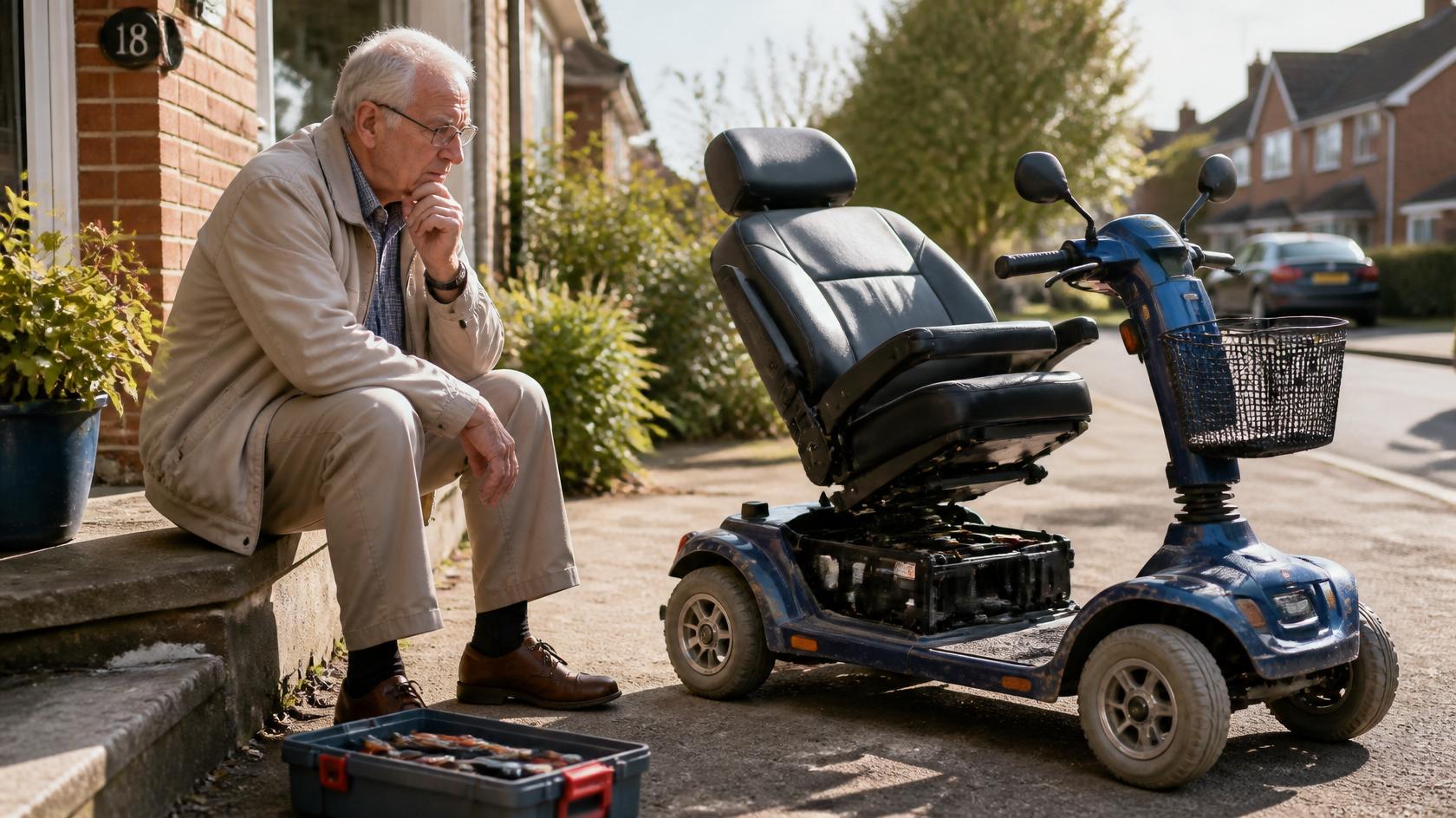
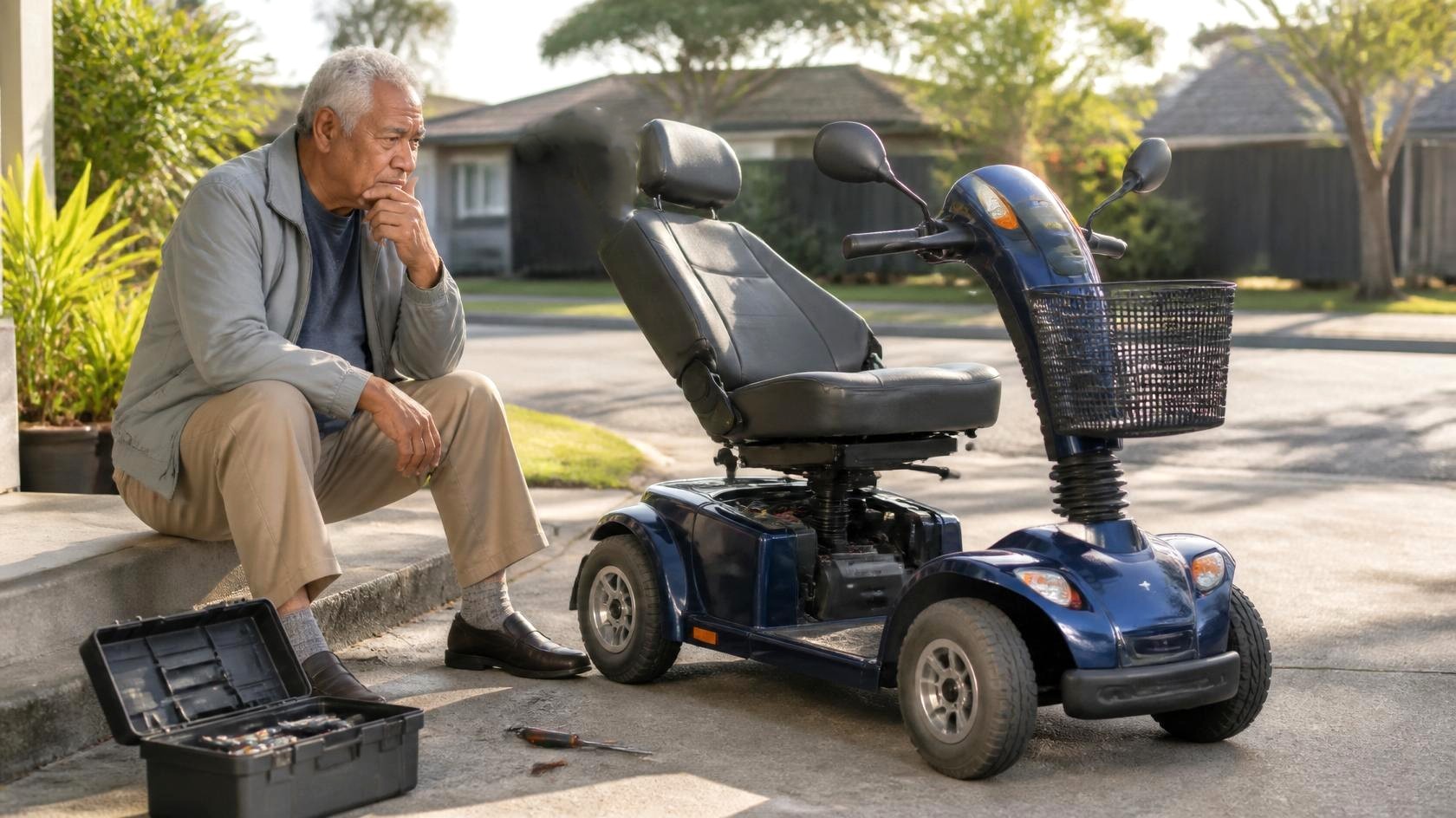
Here’s something most people don’t realise until it’s too late: mobility scooters break down. A lot. Flat batteries, punctured tyres, electrical gremlins – they happen to the best of us. And when they do, you’re not just facing an inconvenience. You’re facing the very real possibility of being stranded.
That’s where mobility scooter roadside assistance comes in. Think of it like car breakdown cover, but designed specifically for you and your scooter.
A good policy means a technician comes to you, attempts a repair on the spot, and if that doesn’t work, arranges transport to get you and your scooter home safely.
But here’s the catch: these services vary wildly. Some are incredibly generous. Others? Not so much. That’s why understanding exactly what you’re signing up for is absolutely essential.
Stick with me – we’re about to uncover everything you need to know.
Mobility Scooter Roadside Assistance: What Does It Cover?
Let’s start with the big question. When you sign up for mobility scooter roadside assistance, what are you actually getting?
The Good News: Most Plans Cover the Basics
The majority of providers will cover you for the most common breakdown scenarios. Typically, this includes:
Flat batteries. This is the number one reason mobility scooters stop working. Most roadside assistance plans will send a technician to test your battery, and if it just needs a recharge, they can often help you get going again.
Some services, like RACQ ( Royal Automobile Club of Queensland), will even connect your battery to a charging facility if one is available nearby.
Flat tyres. Punctures happen – it’s just a fact of life. Many roadside assistance services will attempt to re-inflate your tyres or, if you have a spare tube or repair kit, help you fit it.
RAC WA’s ( Royal Automobile Club of Western Australia) Wheels2go service, for example, can replace a flat tyre provided you have a spare on hand.
Mechanical and electrical breakdowns. If something goes wrong with your scooter’s motor, wiring, or other components, most plans will send someone out to assess the problem and attempt minor on-site repairs.
RACV’s (Royal Automobile Club of Victoria) Emergency Wheelchair and Scooter Assist, for instance, offers minor on-site repairs at your location.
Recovery and transport. If the technician can’t fix the problem on the spot, the service should arrange to get you and your scooter home safely. This might be a wheelchair-accessible taxi, a tow, or a recovery vehicle.
Some providers, like RAC WA, even offer multiple taxi trips per year – up to five trips valued at $55 each.
24/7 availability. The best plans operate around the clock, including nights, weekends, and public holidays. Because breakdowns, as you probably know, never happen at a convenient time.
But Here’s Where It Gets Tricky
Now for the part that most providers don’t shout about.
While the basics sound reassuring, there are significant limitations hidden in the fine print. And understanding these is absolutely critical when you’re asking yourself: mobility scooter roadside assistance: what does it cover, and what should you check before joining?
Let’s dig into those limitations.
What Most Providers Don’t Tell You: The Hidden Exclusions
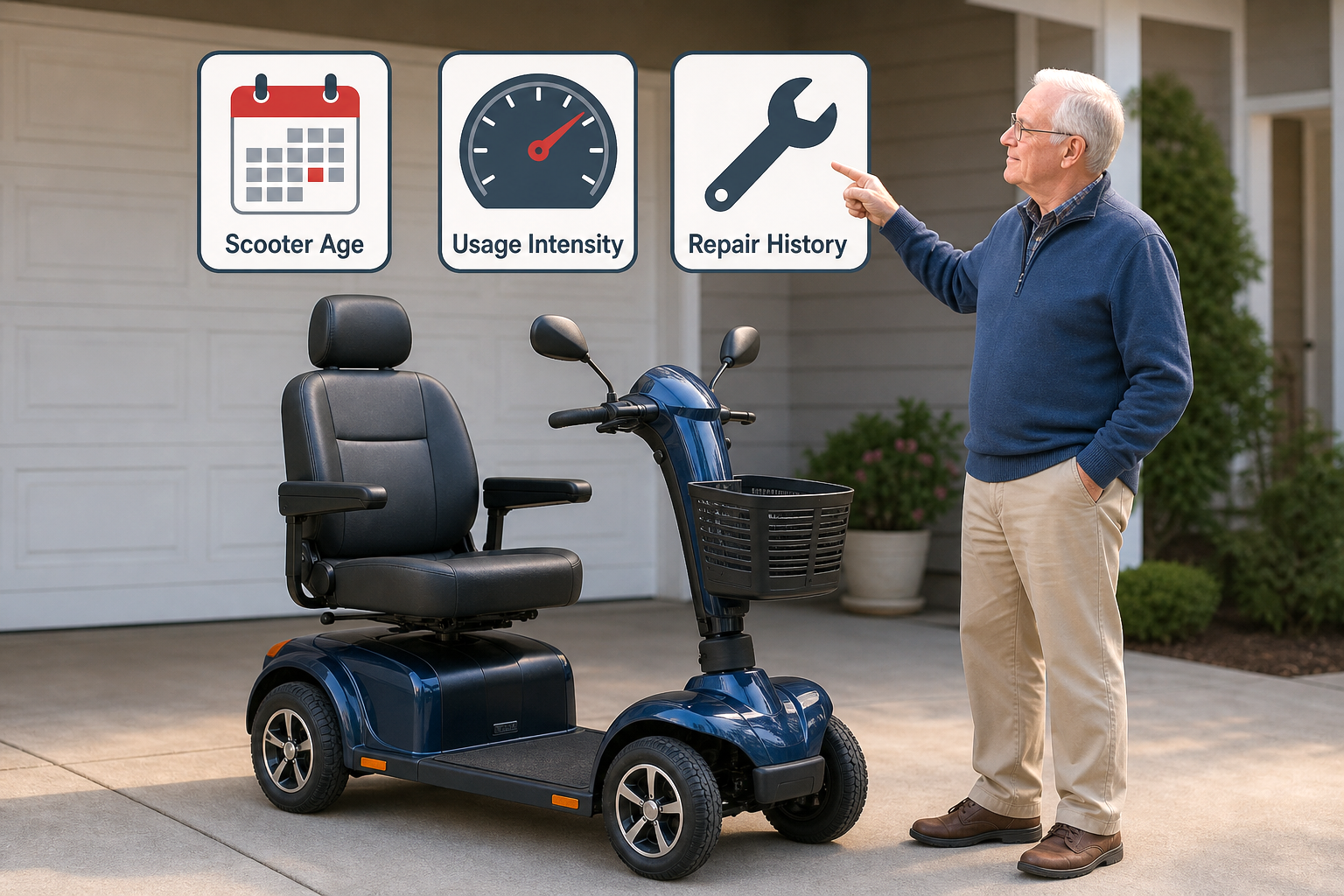
This is where things get interesting. And by interesting, I mean potentially frustrating if you don’t know what you’re looking for.
1. They Don’t Carry Spare Parts
This is a big one. Most roadside assistance patrols do not carry spare parts for mobility scooters. That means if your tyre is completely shredded and you don’t have a spare, or if your battery is dead and you don’t have a replacement, the technician may not be able to help you on the spot.
RAC WA puts it bluntly: “Patrols will not have these on hand”. NRMA (National Roads and Motorists' Association) says the same – their patrols “do not carry spare parts or tyres for these vehicles”. If you have the part, they may be able to fit it. But if you don’t? You’re relying on them to arrange transport instead.
What this means for you: Before you even think about joining, ask yourself whether you’re prepared to carry a spare tyre, inner tube, or even a spare battery when you go out.
For many people, that’s simply not practical. So make sure your chosen provider offers a robust transport option as a backup.
2. Batteries and Tyres Are Usually Not Covered
Here’s a frustrating reality: batteries and tyres are considered “consumable items.” That means most roadside assistance plans do not cover the cost of replacing them. The technician might help you fit a spare you already have, but they won’t supply a new battery or tyre for you.
Some policies, like Surewise, limit battery-related call-outs to four occasions per year. Others may not cover battery issues at all beyond a basic test.
What this means for you: Check whether your plan covers the cost of replacement parts or just the labour to fit them. If you’re relying on roadside assistance to get you out of a battery-related jam, make sure you understand exactly what they will and won’t do.
3. You Must Be Able to Vacate Your Scooter
This is a safety requirement that catches many people off guard. Technicians cannot work on a mobility scooter while it’s still occupied. You need to be able to get off the scooter safely – either on your own or with help from a friend or carer.
RACQ explicitly states this in their terms: “RACQ Service Providers are unable to work on a wheelchair or mobility scooters whilst it is still occupied by the operator”.
What this means for you: If you can’t safely vacate your scooter without assistance, make sure you have a plan. Some providers, like RAC WA, will call a friend or carer on your behalf if needed. But don’t assume this will always happen – check the policy first.
4. Distance Limits Apply
Most services only cover you within a certain radius. In the UK, many providers offer recovery within 20 miles of your home or holiday address.
In Australia, limits vary – some offer a 30km towing radius, while others offer 10km towing or 50km attendance.
What this means for you: If you regularly travel further than these limits, you might not be covered when you’re far from home. Check the distance restrictions carefully before you join.
5. Call-Out Limits
You might not get unlimited help. Many policies cap the number of call-outs per year. For example, RACQ offers attendance up to four times a year. Mounties Care offers four free calls per year. RACV offers up to eight call-outs per year.
What this means for you: If you have an unlucky year with multiple breakdowns, you could run out of covered call-outs and be left to fend for yourself.
6. “Join on Road” Fees
This one really stings. If you’re not already a member and you break down, some providers will still let you join on the spot – but at a significant extra cost. RAC WA, for example, charges a $200 join on road fee in addition to the membership fee if you sign up during a breakdown.
What this means for you: Don’t wait until you’re stranded to sign up. The fees can be eye-watering. Join before you need it.
7. Location Restrictions
Even if you’re covered, the technician might not be able to reach you. Some providers exclude certain locations like shopping centres, parks, or areas where they can’t gain access.
What this means for you: Check whether your regular routes and destinations are covered. If you frequently visit places with restricted access, this could be a problem.
Mobility Scooter Roadside Assistance: What Should You Check Before Joining?
Now that you know what’s typically covered – and what’s not – let’s turn to the really important question: mobility scooter roadside assistance: what should you check before joining?
Here’s your personal pre-join checklist. Go through these points for every provider you’re considering, and you’ll avoid the most common pitfalls.
Check 1: What Exactly Is Covered?
Don’t assume anything. Read the policy wording carefully. Does it cover:
- Flat batteries?
- Flat tyres?
- Mechanical breakdowns?
- Electrical faults?
- Accidents?
- Theft or vandalism attempts?
First Senior, for example, covers “mechanical and electrical breakdown, flat battery, flat tyre, and immobilisation caused by an accident, vandalism or a theft attempt”. That’s comprehensive.
But not all providers are this generous.
Check 2: What’s Explicitly Excluded?
This is equally important. Look for exclusions around:
- Batteries and tyres (consumables)
- Water damage
- Pre-existing faults
- Modifications to your scooter
- Parts and labour costs
- Transporting animals or pets
Mounties Care, for instance, explicitly excludes “towing or transporting an aid that has been modified in which it is unsafe to be transported”. If your scooter has any modifications, check whether they’ll still cover you.
Check 3: How Many Call-Outs Per Year?
This is a straightforward one. How many times can you call for help each year? Four? Eight? Unlimited? RACV offers up to eight call-outs, while Mounties Care offers four. Surewise limits battery-related call-outs to four and other breakdowns to five.
Choose a plan that matches your usage patterns. If you rely on your scooter daily, more call-outs might be worth the extra cost.
Check 4: What’s the Distance Limit?
How far from home will they come to get you? In the UK, 20 miles is common. In Australia, it varies – 10km, 30km, or 50km are all possible.
If you regularly travel beyond these limits, you might need a more comprehensive plan or additional coverage.
Check 5: Do You Need to Carry Your Own Spares?
This is critical. Will the technician bring spare parts, or do you need to supply them yourself? Most providers expect you to have your own spare tyre, inner tube, or battery.
If carrying spares isn’t practical for you, look for a provider that offers more comprehensive transport options as a fallback.

Check 6: Can You Safely Vacate Your Scooter?
As we discussed earlier, technicians can’t work on an occupied scooter. If you can’t get off the scooter independently, check whether the provider will arrange assistance for you.
Check 7: What’s the Cost – and Are There Hidden Fees?
Look beyond the annual membership fee. Are there:
- Joining fees?
- “Join on road” fees (if you sign up during a breakdown)?
- Excess fees?
- Additional charges for taxis or transport beyond a certain amount?
RACV’s Emergency Wheelchair and Scooter Assist, for example, costs just $30 per year for non-members, with discounts for existing members. That’s remarkably affordable. But other providers might have hidden costs that add up.
Check 8: Is There a Waiting Period?
Some policies have a waiting period before you can use the service. RACQ, for instance, has a 48-hour waiting period unless you pay an immediate service surcharge.
If you need cover immediately, make sure you choose a provider with no waiting period. RACV, for example, offers no wait periods – you can access services as soon as you’ve joined
Check 9: Is It 24/7?
Breakdowns don’t keep office hours. Make sure your provider offers 24/7 support, including nights, weekends, and public holidays. Most do, but it’s worth confirming.
Check 10: Is It Bundled with Anything Else?
Sometimes, mobility scooter roadside assistance is included as part of a broader package. The Motability Scheme in the UK, for example, includes breakdown cover as part of the lease package alongside insurance, servicing, and maintenance. Invacare offers one year of free breakdown assistance when you purchase a new scooter.
If you’re already buying insurance or leasing a scooter, check whether roadside assistance is already included before you pay for a separate policy.
How Much Does Mobility Scooter Roadside Assistance Cost?
Prices vary widely depending on where you are and what’s included.
In Australia, RACV charges around $30 per year for non-members, while RAC WA’s Wheels2go costs $51 per year. RACQ offers various tiers, with prices ranging from $80 to $310 per year for different levels of cover.
In the UK, some policies start from as little as £27 a year. More comprehensive packages with unlimited call-outs can cost upwards of £78.
The good news? Even the more expensive plans are still remarkably affordable compared to the cost and stress of being stranded without help.
Real Stories: Why This Matters
Here’s a real review from a mobility scooter user: “Being disabled it makes changing the tyre near enough impossible myself. They quickly supported me, carefully removed my mobility scooter from the boot to access the spare wheel, changed it, put everything back and even checked all my other tyres for me too. Really grateful for their support”.
That’s the difference roadside assistance makes. It’s not just about getting your scooter fixed – it’s about preserving your independence, your dignity, and your peace of mind.
On the flip side, here’s what happens when you don’t have cover: you’re stuck. You’re waiting. You’re hoping a stranger will help. And you’re wondering how you’re going to get home.
Which Provider Should You Choose?
I can’t tell you which provider is right for you – that depends on your location, your budget, and your specific needs. But I can tell you this: the best provider is the one that matches your personal situation.
If you travel short distances within your local area, a basic plan with a 30 kilometres radius might be perfect. If you regularly go on longer trips, you’ll want a plan with greater coverage. If you can’t carry spare parts, you’ll want a plan with strong transport options. And if you’re on a tight budget, the more affordable plans can still offer excellent value.
The key is to ask the right questions before you join. And now you know exactly what those questions are.
Your Next Steps
So here’s what you can do.
- Review your current situation. How often do you use your scooter? How far do you typically travel? Can you carry spare parts? Can you vacate the scooter independently?
- Research the providers available in your area. In Australia, look at NRMA, RACV, RACQ, and RAC WA. In the UK, consider Surewise, First Senior, Blue Badge Mobility Insurance, and Motability if you’re on the lease scheme.
- Run through the checklist. For each provider, check coverage, exclusions, call-out limits, distance limits, spares policy, fees, waiting periods, and 24/7 availability.
- Choose the plan that fits you best. Not the one with the flashiest marketing. The one that genuinely meets your needs.

Final Thoughts
Mobility scooter roadside assistance: what does it cover, and what should you check before joining? You now have the answers.
Here’s the bottom line: breakdown cover for your mobility scooter isn’t a luxury. It’s a necessity. It’s the safety net that lets you go out with confidence, knowing that if something goes wrong, someone will come and help.
Don’t wait until you’re stranded to think about this. Join now, while you’re sitting comfortably at home. Because the alternative – being stuck on the side of the road with no help in sight – is not a situation anyone should have to experience.
You deserve to feel independent. You deserve to feel safe. And with the right mobility scooter roadside assistance plan, you absolutely can.
Now go ahead – take that trip to the shops, visit that friend, enjoy that sunny day. And rest easy knowing you’ve got backup if you need it.
You’ve got this.
Stay mobile, stay confident!
Sign up for our monthly Mobility Scooter Newsletter to receive practical guides, expert advice, and inspiring stories that help you make the most of your scooter and download our free "Mobility Scooter Guide for Beginners."
Don't worry — your e-mail address is totally secure.
I promise to use it only to send you our newsletter, "Mobility Matters."
Recent Articles


-
Portable vs Travel vs Folding Mobility Scooters Buyer's Guide
Sep 15, 26 11:01 AM
 Confused by "portable," "travel," and "folding" mobility scooter listings? This guide explains what Australian sellers actually mean, with real weight comparisons and a decision framework.
 -
Mobility Scooter Types Overview: No More Confusion
Sep 15, 26 10:54 AM
 Mobility scooter types explained in plain English. Includes Australian footpath rules, airline battery limits, and the one mistake most first-time buyers make.
 -
How to Choose a Mobility Scooter in Australia Guide (2026)
Sep 15, 26 07:29 AM
 Choosing a mobility scooter in Australia? This guide covers registration requirements by state, public transport dimensions, NDIS funding steps, and practical testing advice.


Ready to Feel More Confident on Your Mobility Scooter?

My Ebook, The Ultimate Guide to Mobility Scooters, walks you through choosing the right scooter, using it safely, and keeping it in top condition — all explained in clear, friendly language.
Give yourself (or someone you love) the gift of independence.

