- Home
- Mobility Scooter Accessories and Power
- Mobility Scooter Accessories
- Mobility Scooter Hitch Carrier
Mobility Scooter Hitch Carrier: What You Need to Know First
If you’re exploring whether a mobility scooter hitch carrier is the right solution for you or someone you love, you’re in exactly the right place.
At MobyScooter, we know how overwhelming mobility decisions can feel — especially when you’re balancing cost, safety, and the desire to stay independent. The good news is that with a little clarity and a friendly guide by your side, choosing the right carrier becomes much easier, and that’s the journey we’ll take together now.
Every step you take toward understanding your options is a step toward more freedom, more confidence, and more peace of mind — and there’s plenty more to uncover as we go.
What a Mobility Scooter Hitch Carrier Actually Doe
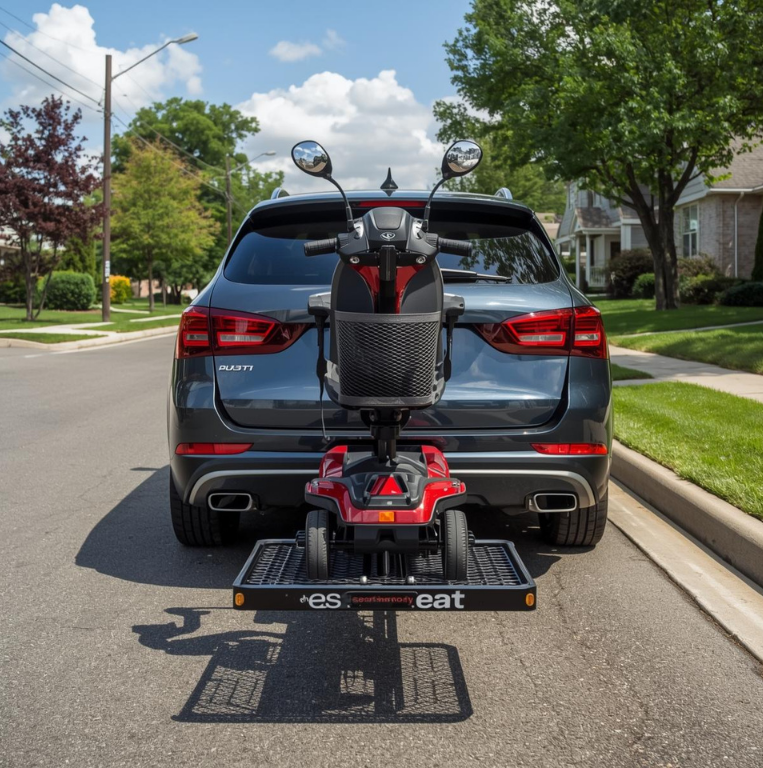
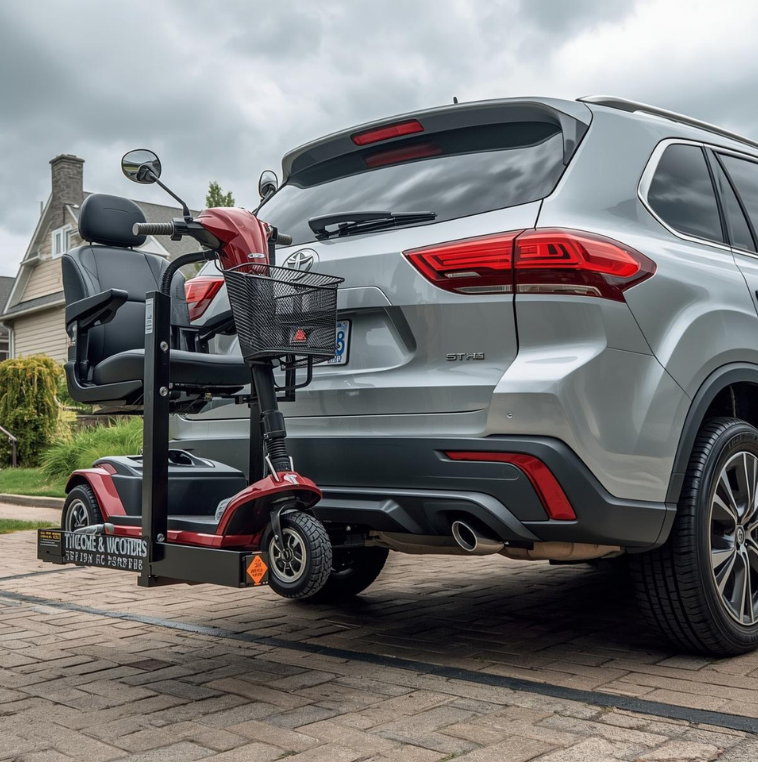
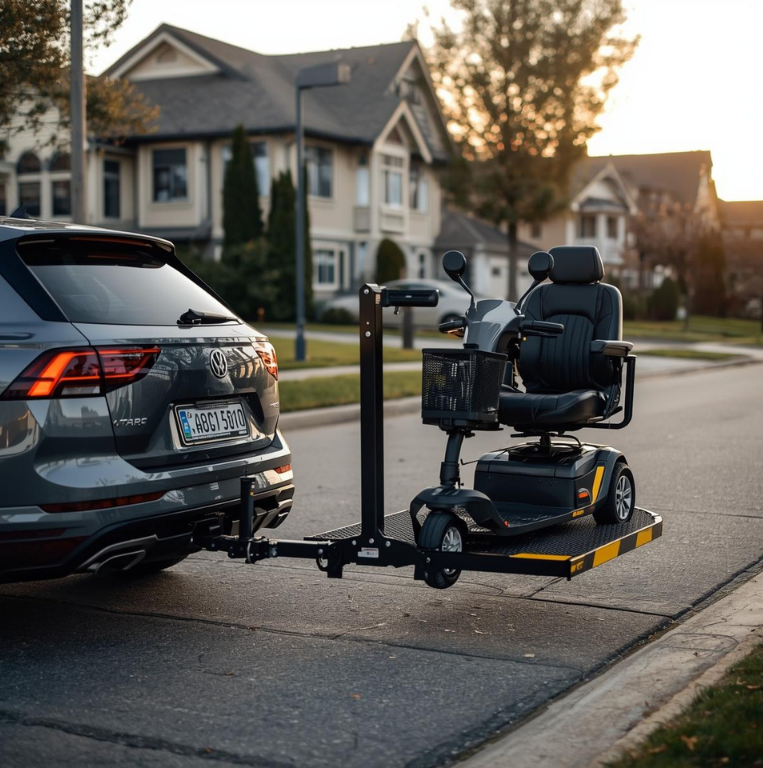
A mobility scooter hitch carrier is a sturdy platform or lift that attaches to the tow hitch of your vehicle. It allows you to transport your mobility scooter safely and securely without lifting it into the boot or rearranging your entire car.
For many seniors, people with disabilities, and carers, this simple device becomes a gateway to easier outings and a more active life.
A good mobility scooter carrier doesn’t just move a scooter — it moves possibilities. It turns “I wish I could go” into “Let’s go,” and that shift can make everyday life feel lighter and more connected.
And there’s even more to this story as we continue.
Types of Mobility Scooter Hitch Carrier
Understanding the two main types of carriers helps you picture how each one fits into your lifestyle.
1. Platform‑Style Carriers
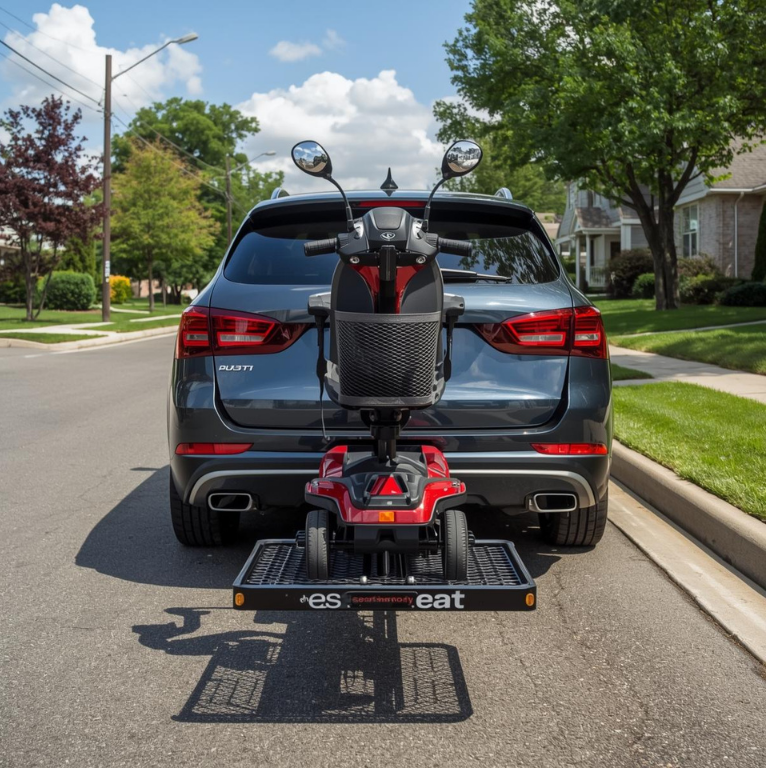
These are flat platforms with a fold‑down ramp. You roll the mobility scooter on, secure it, and you’re ready to travel. They’re:
- Affordable
- Simple to use
- Great for most scooters
- Ideal for people who prefer manual loading
They’re a favourite among scooter users because they offer excellent value and reliability — and we’ll explore why that matters shortly.
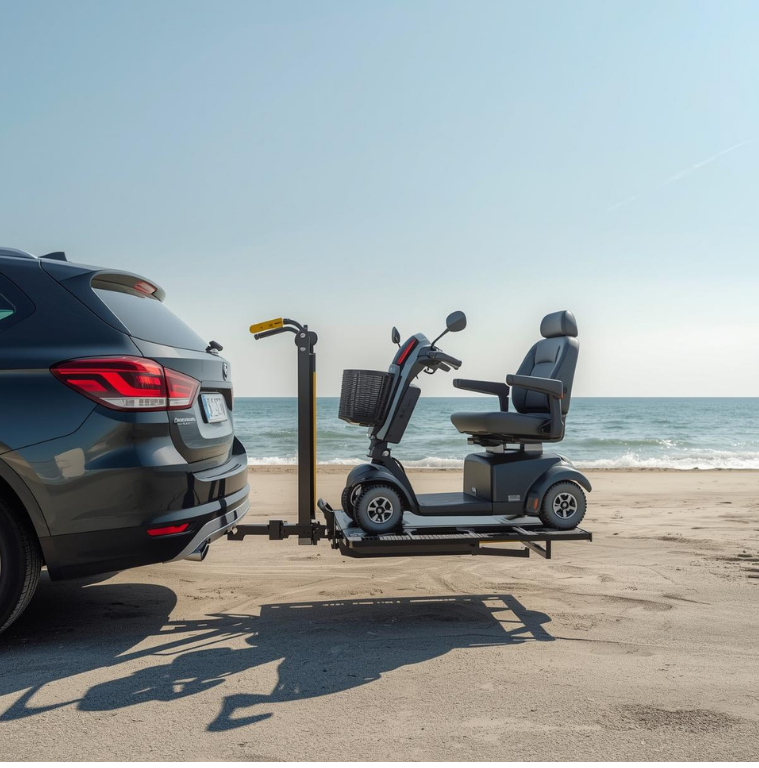
This mobility scooter carrier uses powered mechanisms to raise the scooter for you. They’re:
- More expensive
- Easier on the body
- Perfect for heavier scooters
- Ideal for people with limited strength or chronic pain
If you want maximum ease with minimal effort, a lift‑style carrier may be the right fit — and we’ll look at real‑world examples soon.
Each type has its strengths, and understanding them helps you make a confident choice as we continue.
The Emotional Side: Why This Decision Feels Big
If you’re feeling unsure, you’re not alone. Many readers arrive here thinking:
• “What if I choose the wrong one?”
• “What if it doesn’t fit my car?”
• “What if it’s too expensive?”
• “What if it’s too complicated?”
These are real concerns, and they deserve real reassurance.
A mobility scooter carrier is more than a product — it’s a tool that supports dignity, independence, and connection. When you choose the right one, you’re choosing smoother outings, easier appointments, and more spontaneous moments with the people you love.
And that’s worth taking the time to understand, so let’s keep going.
Benefits of Using a Mobility Scooter Hitch Carrier
A well‑chosen mobility scooter carrier offers several meaningful advantages:
1. Independence Without Strain
No heavy lifting. No awkward manoeuvring. Just roll, secure, and go. This builds confidence and reduces reliance on others — and we’ll explore how to maximise that independence shortly.
2. Affordable Accessibility
Compared to vehicle conversions or specialty vans, a hitch carrier is one of the most budget‑friendly ways to transport a scooter. This matters for anyone balancing health needs with financial realities, and we’ll look at cost‑saving tips soon.
3. Works With Many Vehicles
Most carriers fit standard tow hitches, making them accessible to a wide range of drivers. This flexibility opens up options, and we’ll show you how to check compatibility next.
4. More Freedom to Live Your Life
Whether it’s a medical appointment, a family barbecue, or a trip to the shops, a mobility scooter hitch carrier makes it easier to say yes to the things that matter — and we’ll keep building on that theme as we go.
MobyScooter Buyer’s Guide: How to Choose the Right Carrier
This is where many people feel overwhelmed, but don’t worry — we’ll walk through it step by step, in plain English, with zero jargon.
1. Check Your Vehicle’s Tow Rating
Your car must support the combined weight of:
- The carrier
- The scooter
- Any accessories
This is easier than it sounds, and we’ll look at examples shortly.
2. Know Your Scooter’s Weight and Size
Measure:
- Weight
- Width
- Length
- Ground clearance
These numbers help you choose a carrier that fits comfortably — and we’ll explain why that matters for safety in a moment.
3. Choose Manual or Powered Loading
Ask yourself:
- Do you prefer a simple ramp?
- Or would a powered lift make life easier?
There’s no wrong answer — only the answer that supports your independence, and we’ll explore scenarios to help you decide.
4. Look for Safety Features
A good mobility scooter carrier should include:
- Tie‑down points
- Anti‑tilt brackets
- Reflectors
- Non‑slip surfaces
These features protect both you and your scooter, and we’ll go deeper into safety considerations next.
5. Consider Your Budget
Affordability matters. The good news is that hitch carriers come in a wide range of prices, and many offer excellent value. We’ll look at cost‑saving tips soon.
Safety Considerations You Shouldn’t Skip
Safety is one of the biggest concerns for seniors and carers, and it’s completely understandable. A mobility scooter hitch carrier is safe when used correctly, and here’s what to keep in mind:
1. Proper Weight Distribution
Too much weight on the hitch can affect steering and braking. Choosing the right carrier prevents this, and we’ll look at examples shortly.
2. Secure Tie‑Downs
Always use the straps provided. A secure scooter means a smooth, worry‑free drive — and we’ll talk about how to check your setup.
3. Visibility Matters
Reflectors and lights help other drivers see the carrier. This is especially important at night or in bad weather, and we’ll explore simple ways to stay visible.
4. Quick Pre‑Trip Checks
A simple routine — straps tight, ramp locked, hitch secure — keeps everything running smoothly, and we’ll share an easy checklist soon.
Real‑World MobyScooter Scenario
These examples reflect the real people you support every day.
Scenario 1: Regaining Freedom
Margaret, 74, loves her weekly craft market but stopped going because lifting her scooter became too difficult. With a platform‑style carrier, she rolls the scooter on, secures it, and heads out with confidence. Her world feels bigger again — and yours can too.
Scenario 2: A Carer Finding Relief
Daniel cares for his father, who uses a heavy scooter. A powered lift carrier means Daniel no longer strains his back, and outings feel easier and more enjoyable. The carrier supports both of them — and that’s the kind of relief many families are looking for.
Scenario 3: Living With Chronic Pain
Lena lives with arthritis and fatigue. A hitch carrier allows her to bring her scooter to appointments without relying on others. The independence she gains is worth every moment of research — and you’re already on that path.
Conclusion: You Deserve Confidence, Comfort, and Independence
Choosing a mobility scooter hitch carrier isn’t just a practical decision — it’s an emotional one. It’s about reclaiming independence, reducing stress, and making life easier for yourself or someone you love.
With the right information, the right support, and the right equipment, you can move forward with confidence and peace of mind.
You’ve already taken the first step by learning. The next step is simply choosing the option that feels right — and you’re more prepared than you think.
Stay mobile, stay confident!
Sign up for our monthly Mobility Scooter Newsletter to receive practical guides, expert advice, and inspiring stories that help you make the most of your scooter and download our FREE "Mobility Scooter Guide for Beginners."
Don't worry — your e-mail address is totally secure.
I promise to use it only to send you our newsletter, "Mobility Matters."
Stay mobile, stay confident!
Sign up for our monthly Mobility Scooter Newsletter to receive practical guides, expert advice, and inspiring stories that help you make the most of your scooter and download our free "Mobility Scooter Guide for Beginners."
Don't worry — your e-mail address is totally secure.
I promise to use it only to send you our newsletter, "Mobility Matters."
Recent Articles


-
Portable vs Travel vs Folding Mobility Scooters Buyer's Guide
Sep 15, 26 11:01 AM
 Confused by "portable," "travel," and "folding" mobility scooter listings? This guide explains what Australian sellers actually mean, with real weight comparisons and a decision framework.
 -
Mobility Scooter Types Overview: No More Confusion
Sep 15, 26 10:54 AM
 Mobility scooter types explained in plain English. Includes Australian footpath rules, airline battery limits, and the one mistake most first-time buyers make.
 -
How to Choose a Mobility Scooter in Australia Guide (2026)
Sep 15, 26 07:29 AM
 Choosing a mobility scooter in Australia? This guide covers registration requirements by state, public transport dimensions, NDIS funding steps, and practical testing advice.


Ready to Feel More Confident on Your Mobility Scooter?

My Ebook, The Ultimate Guide to Mobility Scooters, walks you through choosing the right scooter, using it safely, and keeping it in top condition — all explained in clear, friendly language.
Give yourself (or someone you love) the gift of independence.

