- Home
- Services and Shopping
- Mobility Scooter Service Options
- Mobility Scooter Wear and Tear vs Warranty Repairs
Normal Wear and Tear vs Warranty Repair: What Actually Counts?
Picture this: you’re heading out for a lovely morning ride. The air is crisp, the path is smooth, and you’re already thinking about where you’ll stop for a treat.
You start your scooter… and something feels off. Maybe the battery isn’t holding charge like it used to. Maybe the tyres look worn. Maybe the display flickers for a moment.
Suddenly, you’re wondering: Is this normal wear and tear, or is it a warranty repair? And just like that, a simple outing becomes a moment of uncertainty.

You’re not alone — this is one of the most common questions scooter owners ask. And it makes sense. Your scooter is your independence, your mobility, your freedom.
When something goes wrong, you want clarity, reassurance, and a friendly guide who can help you understand what’s covered and what isn’t. That’s exactly what this page is for, so let’s walk through it together.
This is your warm, supportive hub for understanding normal wear and tear vs warranty repair, without feeling overwhelm. Think of it as a knowledgeable friend sitting beside you, explaining everything clearly and gently, and helping you make confident decisions.
And yes — by the end of this page, you’ll know exactly what to expect, so let’s keep going.
Why Understanding Wear and Tear vs Warranty Matters
Knowing the difference between normal wear and tear vs warranty repair helps you avoid surprise costs, protect your warranty, and plan ahead. It also helps you communicate clearly with technicians, dealers, and NDIS providers.
Once you understand what’s covered and what isn’t, everything becomes easier — and you’ll feel more confident every time you ride.
Let’s start with the basics.
What Counts as Normal Wear and Tear?
Normal wear and tear refers to parts that naturally degrade over time through everyday use. These parts are designed to wear out gradually, and replacing them is considered routine maintenance rather than a warranty claim.
Common examples include:
Tyres and Tubes
Tyres wear down as you ride. Rough terrain, heavy loads, and frequent use accelerate wear. Tubes can develop slow leaks over time. This is normal and expected.
Let’s keep exploring.
Batteries
Batteries naturally lose capacity over time. A battery that once lasted all day may eventually last only a few hours. This is normal chemical aging, not a defect.
Let’s keep building clarity.
Brake Pads
Brake pads wear down with use. If you ride on hills or brake frequently, they may need replacing sooner. This is normal wear.
Let’s keep going.
Fasteners and Screws
Bolts, screws, and fasteners can loosen over time due to vibration. Tightening them is part of routine maintenance.
Let’s keep exploring the other side.
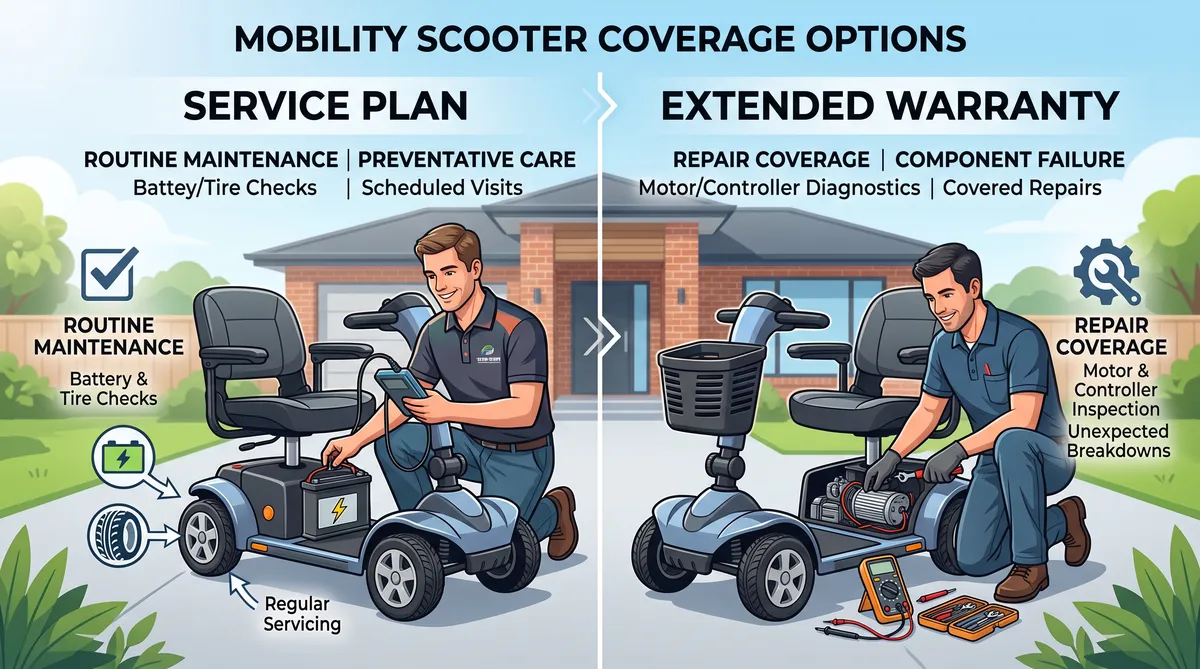
What Counts as a Warranty Repair?
Warranty repairs cover defects in materials or workmanship — things that shouldn’t happen under normal use. These issues are not caused by wear, misuse, or aging. They are faults.
Common examples include:
Electrical Faults
If your scooter suddenly loses power, the display flickers, or the controller malfunctions, this may be a warranty issue — especially if the scooter is relatively new.
Let’s keep building clarity.
Manufacturing Defects
If a part fails prematurely due to poor manufacturing, it’s usually covered. Examples include cracked frames, faulty wiring, or defective motors.
Let’s keep exploring.
Premature Battery Failure
If a battery fails unusually early (e.g., within months), and testing shows a defect rather than normal aging, it may be covered under warranty.
Let’s keep going.
Faulty Chargers
If your charger stops working due to an internal fault, not damage or misuse, it may be covered.
Let’s keep uncovering the essentials.
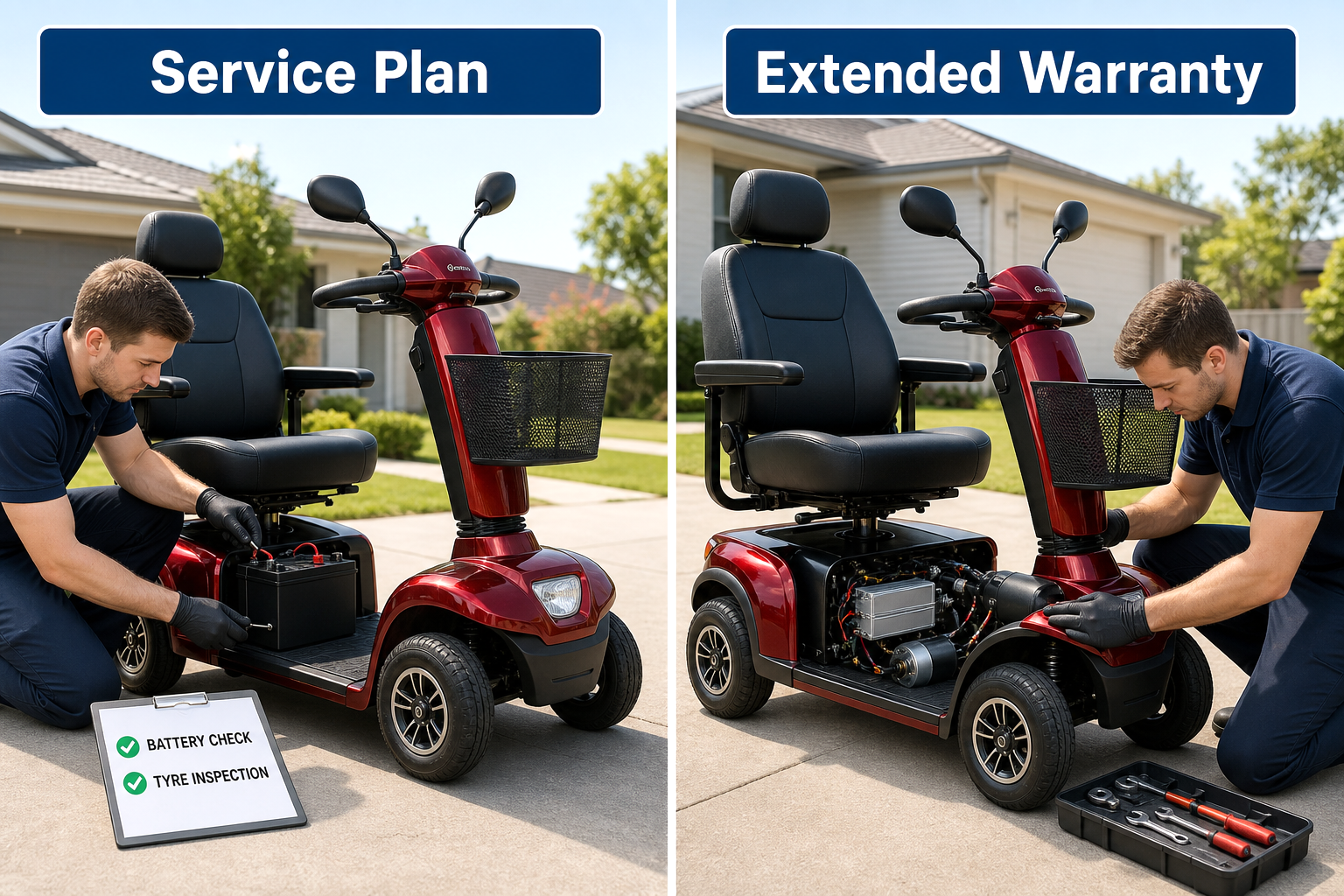
Comparison Chart: Wear and Tear vs Warranty Repairs
|
Issue |
Normal Wear and Tear |
Warranty Repair |
|
Tyres/Tubes |
Wear from riding |
Defective tyre or tube |
|
Battery |
Gradual capacity loss |
Premature failure or defect |
|
Brake Pads |
Wear from braking |
Faulty brake assembly |
|
Fasteners |
Loosening over time |
Structural defect |
|
Electronics |
Aging over years |
Sudden failure or defect |
|
Motor |
Gradual performance decline |
Manufacturing defect |
|
Charger |
Wear or damage |
Internal fault |
How Technicians Decide: Wear vs Warranty
Technicians look at several factors:
Age of the scooter
New scooters with sudden failures often qualify for warranty.
Usage patterns
Heavy daily use accelerates wear. Light use with sudden failure suggests a defect.
Part condition
Worn parts show gradual degradation. Defective parts show sudden failure.
Service history
Regular servicing helps technicians identify whether an issue is wear or defect.
Let’s keep uncovering the essentials.
How to Protect Your Warranty
Here are simple ways to keep your warranty safe:
1. Follow the servicing schedule
Annual servicing helps document issues early.
2. Keep receipts and service records
These help technicians verify warranty eligibility.
3. Avoid DIY electrical repairs
DIY electrical work can void warranty instantly.
4. Use authorised parts when required
Some warranties require OEM parts.
Let’s keep uncovering the essentials.
How to Avoid Paying for Wear and Tear Repairs Unexpectedly
Wear and tear is normal — but you can reduce costs by:
- Maintaining tyre pressure
- Charging correctly
- Keeping the scooter clean and dry
- Doing quick safety checks
- Avoiding rough terrain when possible
These small habits extend your scooter’s lifespan and reduce servicing costs.
Let’s keep exploring your options.
How to Tell If Your Issue Is Wear or Warranty
Ask yourself:
- Did this happen suddenly or gradually?
- Is the scooter new or older?
- Is the part visibly worn?
- Has this part been serviced before?
- Does the issue match known defects for your model?
Your answers will guide you toward the right path — and you’ll feel more confident knowing you’ve considered everything.
Let’s keep moving toward clarity.

Final Thoughts: You’re Not Alone in This
Understanding normal wear and tear vs warranty repair doesn’t have to be confusing. With clear guidance, warm support, and practical steps, you can protect your warranty, avoid unnecessary costs, and feel confident every time you head out.
And whenever you’re ready to explore deeper topics — like servicing costs, roadside assistance, or choosing a trustworthy technician — your next steps are waiting.
Let’s keep you moving — one clear, supportive step at a time.
Stay mobile, stay confident!
Sign up for our monthly Mobility Scooter Newsletter to receive practical guides, expert advice, and inspiring stories that help you make the most of your scooter and download our free "Mobility Scooter Guide for Beginners."
Don't worry — your e-mail address is totally secure.
I promise to use it only to send you our newsletter, "Mobility Matters."
Recent Articles


-
Portable vs Travel vs Folding Mobility Scooters Buyer's Guide
Sep 15, 26 11:01 AM
 Confused by "portable," "travel," and "folding" mobility scooter listings? This guide explains what Australian sellers actually mean, with real weight comparisons and a decision framework.
 -
Mobility Scooter Types Overview: No More Confusion
Sep 15, 26 10:54 AM
 Mobility scooter types explained in plain English. Includes Australian footpath rules, airline battery limits, and the one mistake most first-time buyers make.
 -
How to Choose a Mobility Scooter in Australia Guide (2026)
Sep 15, 26 07:29 AM
 Choosing a mobility scooter in Australia? This guide covers registration requirements by state, public transport dimensions, NDIS funding steps, and practical testing advice.



Ready to Feel More Confident on Your Mobility Scooter?

My Ebook, The Ultimate Guide to Mobility Scooters, walks you through choosing the right scooter, using it safely, and keeping it in top condition — all explained in clear, friendly language.
Give yourself (or someone you love) the gift of independence.

