- Home
- Mobility Scooter Types
- Electric Scooter
- Scooters for the Handicapped
Scooters for the Handicapped: A Friendly Guide to Independence
Scooters for the handicapped are more than just machines with wheels—they are lifelines to independence, dignity, and peace of mind.
For seniors, people with disabilities, and those living with mobility‑related health challenges, these scooters open doors to everyday freedom. Whether you’re a caregiver, family member, or occupational therapist researching options, this guide will walk you through everything you need to know with warmth, clarity, and confidence.
Let’s explore together, step by step, so you feel supported at every turn.
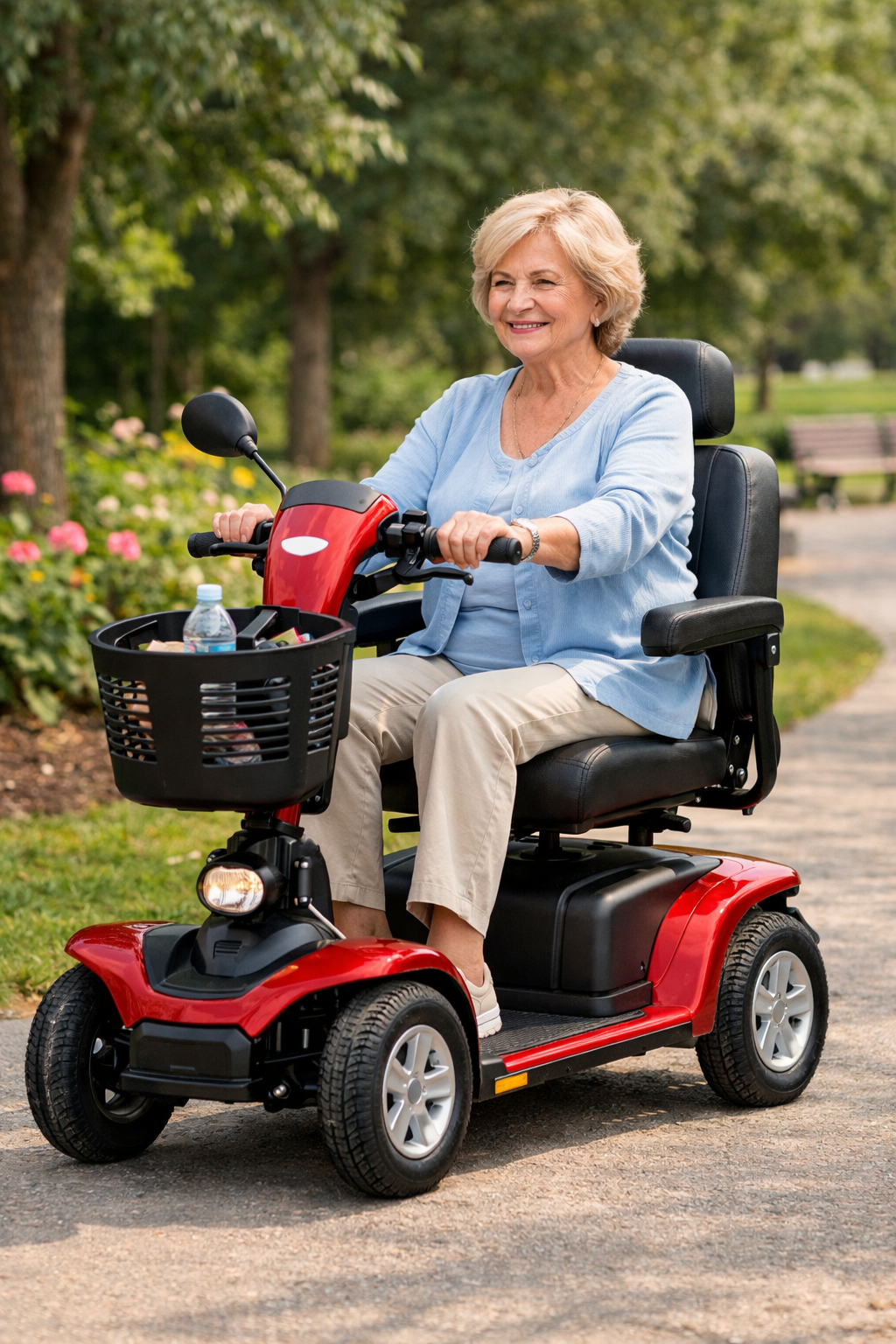
Why Scooters for the Handicapped Matter
Mobility challenges can feel overwhelming. Tasks like grocery shopping, visiting friends, or simply enjoying a sunny afternoon outdoors may seem out of reach. A scooter for the handicapped changes that story.
It restores independence, reduces reliance on others, and brings back the joy of moving freely. Imagine the confidence of knowing you can get where you need to go safely and comfortably—that’s the gift these scooters provide.
And as we’ll see, they’re designed with accessibility and affordability in mind, so you don’t have to compromise dignity for cost.
The Role and Function of Scooters for the Handicapped
At their core, these scooters are designed to bridge the gap between limited mobility and everyday living. They typically feature:
- Stable seating for comfort and posture support.
- Easy‑to‑use controls that don’t require advanced strength or dexterity.
- Durable wheels and suspension for smooth rides indoors and outdoors.
- Rechargeable batteries that provide hours of travel on a single charge.
Think of them as personal vehicles tailored to your needs—compact enough for tight spaces, yet sturdy enough for outdoor adventures. Each feature is carefully crafted to ensure accessibility, safety, and peace of mind.
And as you’ll discover, different models suit different lifestyles, so there’s always a scooter that fits your journey.
Benefits That Go Beyond Mobility
The advantages of scooters for the handicapped extend far beyond movement:
- Independence: No more waiting for someone to push a wheelchair.
- Confidence: Knowing you can handle daily errands without stress.
- Accessibility: Designed for homes, malls, parks, and community spaces.
- Affordability: Options exist for every budget, from basic to premium.
- Peace of Mind: Families and carers feel reassured knowing loved ones are safe.
Every benefit builds on the last, creating a ripple effect of empowerment. When mobility improves, so does emotional well‑being, social connection, and overall quality of life. That’s why these scooters are more than equipment—they’re companions in reclaiming dignity.
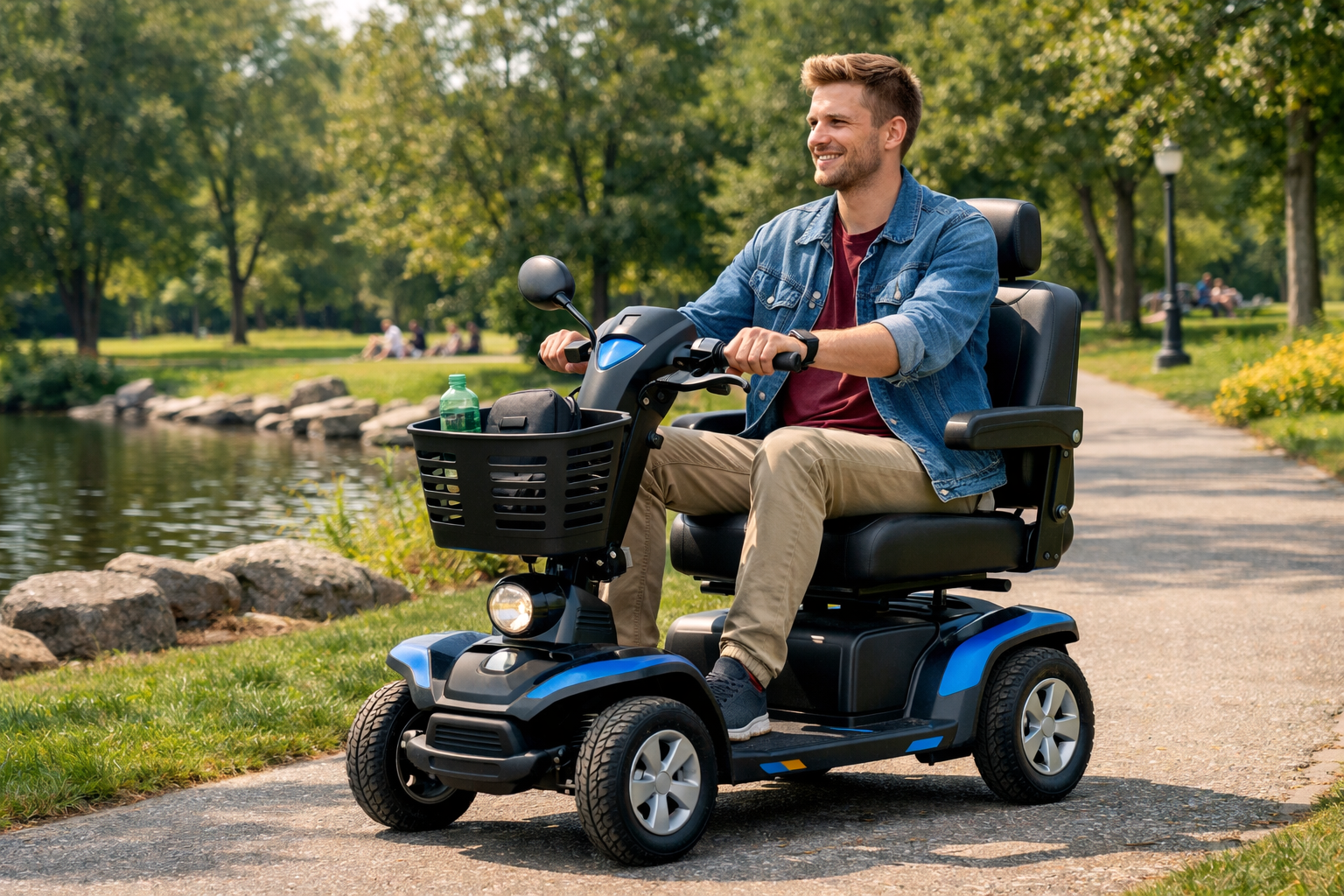
Buyer’s Guide: Choosing the Right Scooter
Shopping for a scooter can feel overwhelming, but breaking it down makes the process easier. Here’s what to consider.
Indoor vs. Outdoor Use
- Indoor scooters are compact, lightweight, and easy to maneuver in tight spaces.
- Outdoor scooters have larger wheels, stronger suspension, and longer battery life.
Portability
- Foldable scooters are perfect for travel, fitting easily into car trunks.
- Heavy‑duty scooters offer more stability but are less portable.
Weight Capacity
- Standard models support up to 115–135 kilos
- Bariatric scooters are designed for higher weight limits with reinforced frames.
Battery Range
- Short‑range scooters cover 10 to 15 km per charge.
- Long‑range scooters can go 20+ miles, ideal for active lifestyles.
Budget Considerations
- Entry‑level scooters start at affordable prices.
- Mid‑range models balance cost with comfort features.
- Premium scooters include advanced suspension, luxury seating, and extended warranties.
By focusing on these categories, you’ll quickly narrow down options and feel confident in your choice.
Remember: the “best” scooter is the one that fits your life, not just the one with the longest feature list.
Safety Considerations
Safety is non‑negotiable when it comes to scooters for the handicapped. Here are key points to keep in mind:
- Proper Training: Take time to learn controls before heading outdoors.
- Regular Maintenance: Check tires, brakes, and batteries regularly.
- Visibility: Use lights and reflective gear when riding in public spaces.
- Environment Awareness: Avoid steep slopes, uneven terrain, or crowded areas until you’re comfortable.
- Insurance & Warranty: Ensure coverage for repairs and accidents for peace of mind.
Safety isn’t about limiting freedom—it’s about protecting it. With the right precautions, your scooter becomes a trusted partner in daily life.
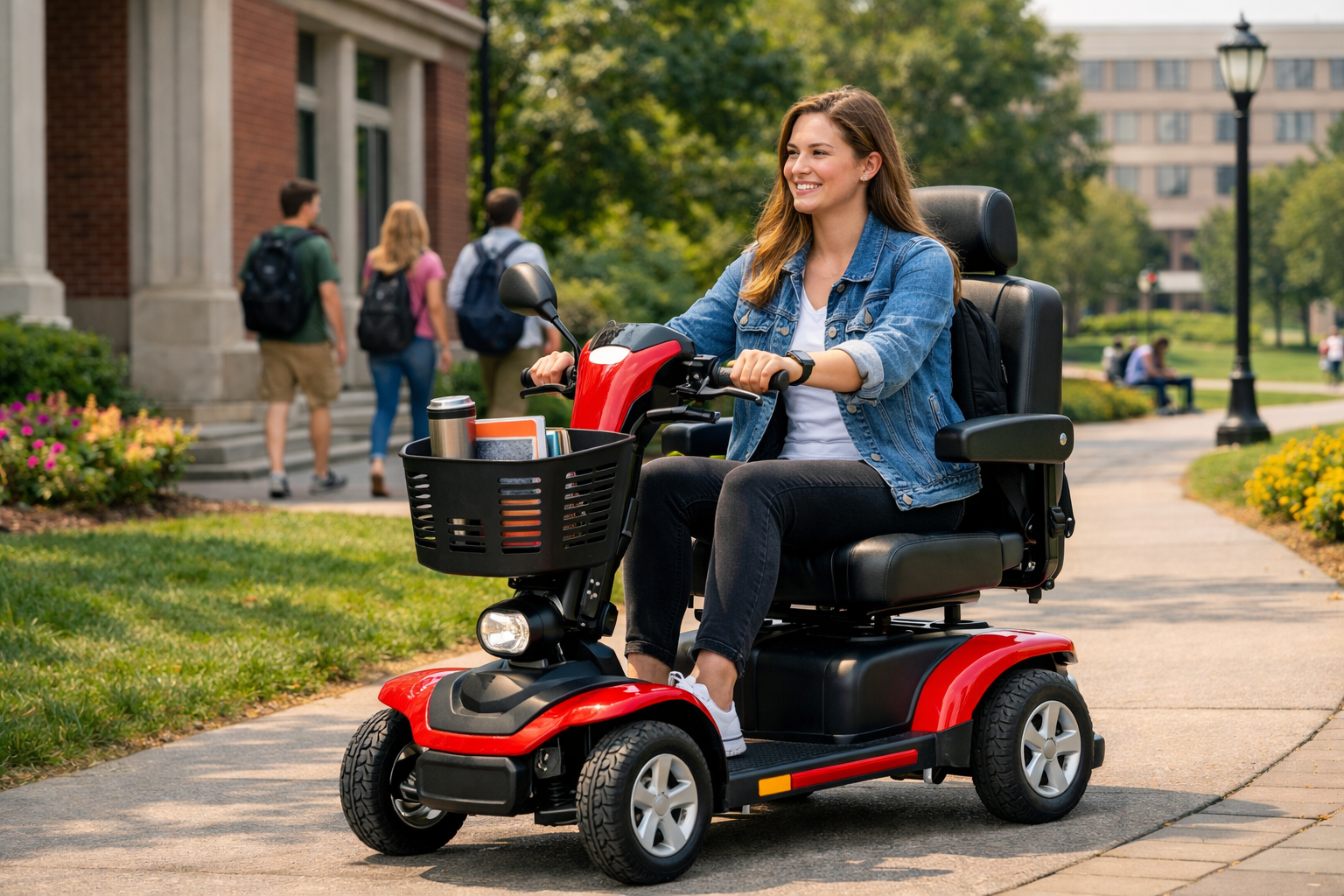
Real‑World Scenarios
Let’s bring this to life with a few examples:
- Maria, age 72: After hip surgery, Maria felt isolated at home. Her scooter allowed her to visit the local market again, restoring her sense of independence.
- James, age 45: Living with multiple sclerosis, James uses his scooter to commute short distances, giving him confidence to continue working part‑time.
- Liza, caregiver: Liza’s father struggled with mobility. A scooter gave him freedom while reducing her stress, creating balance for both.
These stories highlight the emotional impact—scooters don’t just move people, they move lives forward.
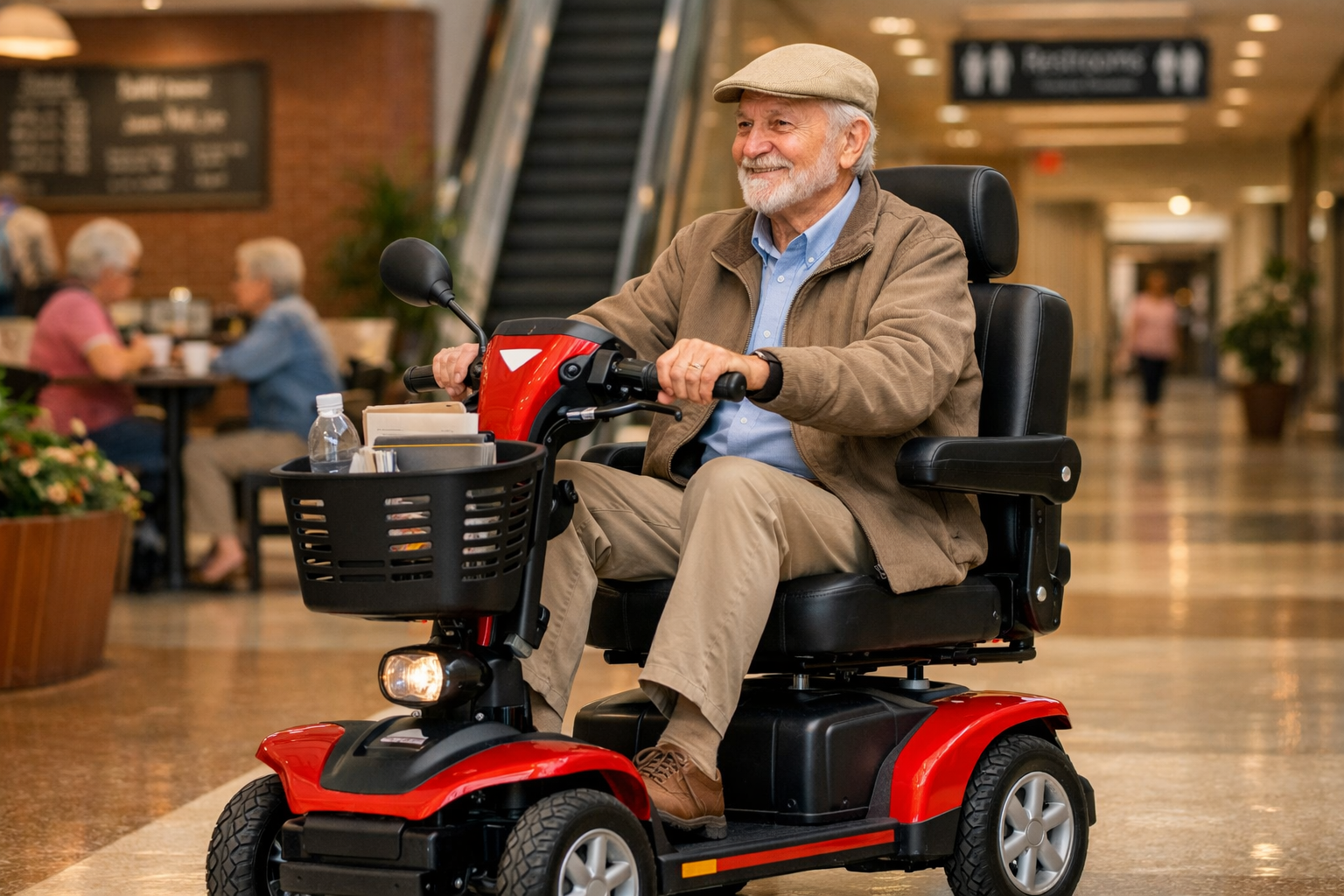
Empowering Conclusion
Choosing a scooter for the handicapped isn’t just about buying equipment—it’s about reclaiming independence, dignity, and peace of mind. Whether you’re a senior seeking freedom, a family member searching for solutions, or a caregiver wanting reassurance, know this: the right scooter exists for you.
With affordability, accessibility, and confidence built into every design, these scooters are more than machines—they’re pathways to living fully.
So take the next step with optimism. Explore options, ask questions, and imagine the joy of moving freely again. Your journey toward independence starts here, and you don’t have to walk it alone—your scooter will carry you forward with dignity and strength.
Stay mobile, stay confident!
Sign up for our monthly Mobility Scooter Newsletter to receive practical guides, expert advice, and inspiring stories that help you make the most of your scooter and download our free "Mobility Scooter Guide for Beginners."
Don't worry — your e-mail address is totally secure.
I promise to use it only to send you our newsletter, "Mobility Matters."
Recent Articles


-
Storage Planning for Small Spaces: Measure, Plan, Store Safely
Oct 11, 26 06:21 AM
 Storage planning for small spaces doesn't have to be stressful. Learn how to measure, charge, and safely store your mobility scooter at home.
 -
Extended Range Battery Kits: Worth It or No
Oct 10, 26 08:47 AM
When "extended range" battery kits make sense (and when they don't): Stop wasting money. Get the honest facts before you upgrade your scooter. -
What to Do When Your Mobility Scooter Battery Won't Hold a Charge
Oct 10, 26 08:34 AM
What to do when your mobility scooter battery won't hold a charge: Everything you need to know about diagnosing and fixing battery problems.
Ready to Feel More Confident on Your Mobility Scooter?

My Ebook, The Ultimate Guide to Mobility Scooters, walks you through choosing the right scooter, using it safely, and keeping it in top condition — all explained in clear, friendly language.
Give yourself (or someone you love) the gift of independence.

