- Home
- Mobility Scooter Types
- Electric Scooter
Electric Scooter for Mobility: A Friendly, Complete Guide to Confidence and Independence
If you’re exploring the idea of using an electric scooter for mobility, you’re probably looking for something more meaningful than a piece of equipment. You’re looking for independence, accessibility, peace of mind, and a way to move through the world with confidence again — and that’s exactly what this guide is here to help you find.
Let’s take this step together, one clear, friendly explanation at a time, so you always feel supported as you read on.

Scooter vs. Mobility Scooter: What’s the Real Difference?
Before we dive deeper, let’s clear up a common point of confusion. Many people search for “scooters” online and end up seeing everything from kids’ kick scooters to electric commuter scooters used by office workers.
No wonder it feels overwhelming.
Understanding the difference between a regular scooter and a mobility scooter will help you feel more confident as you continue reading.
What Most People Mean by “Scooter”
When someone says “scooter,” they usually mean:
• Kick scooters
• Electric commuter scooters
• Recreational scooters designed for speed or fun
These require balance, standing, and physical effort, which makes them unsuitable for anyone with mobility challenges.
What a Mobility Scooter Is
A mobility scooter is a medical‑grade mobility aid designed specifically for:
• Seniors
• Individuals with chronic pain, fatigue, or balance issues
• Anyone who struggles with walking long distances
Mobility scooters include:
• A comfortable seat
• Three or four wheels for stability
• Easy steering via a tiller
• Safety features like anti‑tip wheels
• Rechargeable batteries for daily use
Where a regular scooter expects your body to do the work, a mobility scooter is designed to support your body so you can move through life with ease.
Why This Difference Matters
Many people feel embarrassed or hesitant about using a mobility scooter because they think it’s similar to a recreational scooter — but it’s not. A mobility scooter is:
• A tool for independence, not a toy
• A supportive device, not a balancing act
• A safe, stable mobility aid, not a sport
Understanding this difference often brings relief, especially if you’ve been unsure about whether a mobility scooter is “right” for you or someone you love.
With that clarity, let’s continue exploring how these scooters can support your daily life.
Why an Electric Scooter for Mobility Matters More Than You Think
For many seniors, individuals with disabilities, and persons managing chronic conditions, mobility isn’t just about getting from point A to point B — it’s about dignity, freedom, and staying connected to the people and places that matter.
An electric scooter for mobility can bridge that gap beautifully, offering a safe, affordable, and accessible way to stay active in daily life. And as you’ll see, the benefits only get more encouraging from here.
What an Electric Scooter for Mobility Actually Does
Think of an electric scooter for mobility as a personal transportation partner. It’s designed to help you move comfortably and safely without relying on physical strength, long walking distances, or constant assistance from others.
Some people even called an electric scooter as a wheelchair scooter, which is quite different from a power wheelchair.
This can be a huge relief if you’ve been feeling limited, frustrated, or unsure about your options — and it’s perfectly okay to feel that way.
Here’s what these scooters are built to do:
• Support your independence by giving you control over your movement.
• Reduce physical strain, especially if walking causes pain or fatigue.
• Increase accessibility in shops, parks, events, and community spaces.
• Provide peace of mind for you and your loved ones.
And as you’ll discover next, the features behind these benefits are surprisingly simple and user‑friendly.

How Electric Scooters for Mobility Work (Without the Jargon)
Let’s keep this easy and clear — no engineering degree required.
Most electric scooters for mobility include:
• A rechargeable battery that powers the scooter for several hours.
• A comfortable seat designed for long or short trips.
• A tiller (steering column) that’s intuitive and easy to control.
• Stable wheels that keep you balanced on different surfaces.
• Speed controls that let you move at a safe, comfortable pace.
Everything is designed to feel natural, even if you’ve never used a mobility device before. And if you’re helping a parent, partner, or patient explore their options, this simplicity can make the whole process feel far less overwhelming.
The Emotional Side: It’s Okay to Feel Unsure
Choosing a mobility scooter can stir up a lot of feelings — uncertainty, worry about cost, fear of choosing the wrong model, or even sadness about needing help in the first place.
These feelings are real, valid, and more common than you might think.
But here’s the truth.
An electric scooter for mobility isn’t a sign of limitation. It’s a tool for empowerment — a way to reclaim independence, confidence, and joy in everyday life. And the more you learn, the easier and lighter this decision becomes.
Let’s keep going so you can feel even more informed and supported.
Key Benefits of Electric Scooters for Mobility
1. Independence You Can Feel
Being able to move freely — without waiting for assistance — is life‑changing. Whether it’s a trip to the shops or a day at the park, independence builds confidence and restores a sense of control.
2. Accessibility Without the Stress
Electric scooters for mobility are designed to navigate tight spaces, ramps, footpaths, and indoor environments with ease. This means fewer barriers and more opportunities to enjoy your day.
3. Affordability That Makes Sense
Compared to powered wheelchairs or home modifications, mobility scooters are often a more affordable option. And because they’re built to last, they offer long‑term value and peace of mind.
4. Comfort That Supports Your Body
Cushioned seats, adjustable armrests, and ergonomic controls make riding comfortable — even for those with joint pain, fatigue, or balance challenges.
5. Safety You Can Trust
From anti‑tip wheels to automatic braking, these scooters are built with safety at the forefront. You’ll learn more about this in the safety section coming up next.
Each of these benefits builds on the last, helping you feel more confident as you continue exploring your options.
Types of Electric Scooters for Mobility
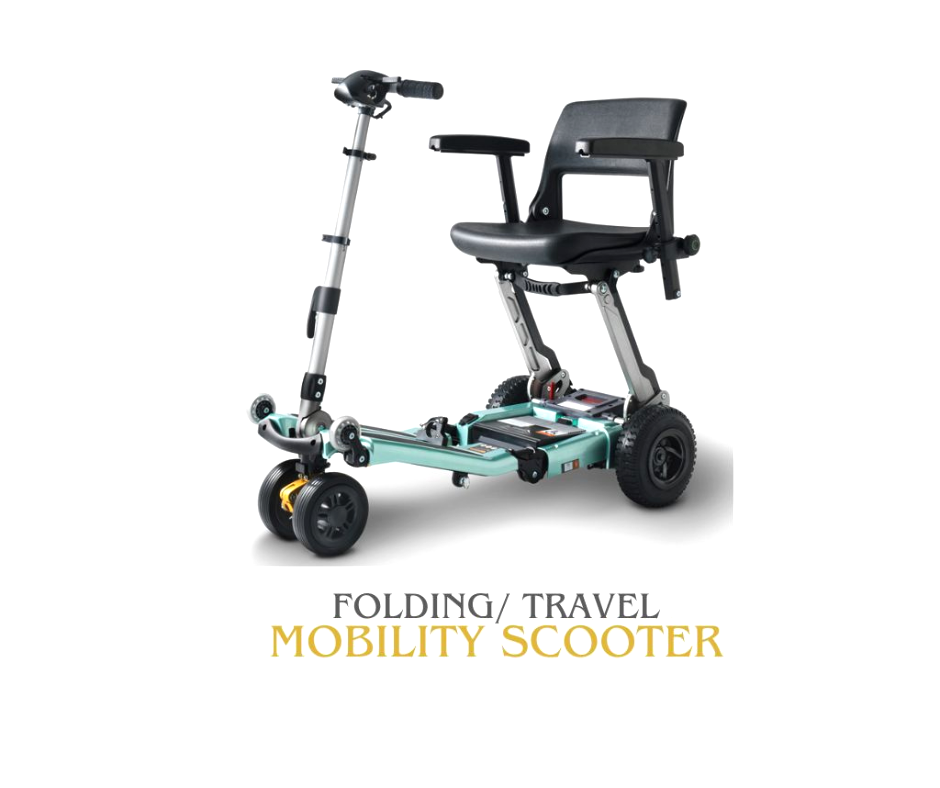
Not all scooters are the same — and that’s a good thing. It means you can find one that fits your lifestyle perfectly.
1. Travel or Portable Scooters
Lightweight, foldable, and easy to transport. Ideal for:
• Shopping trips
• Car travel
• Short outings
If you want flexibility, this electric scooter for seniors is a great place to start.
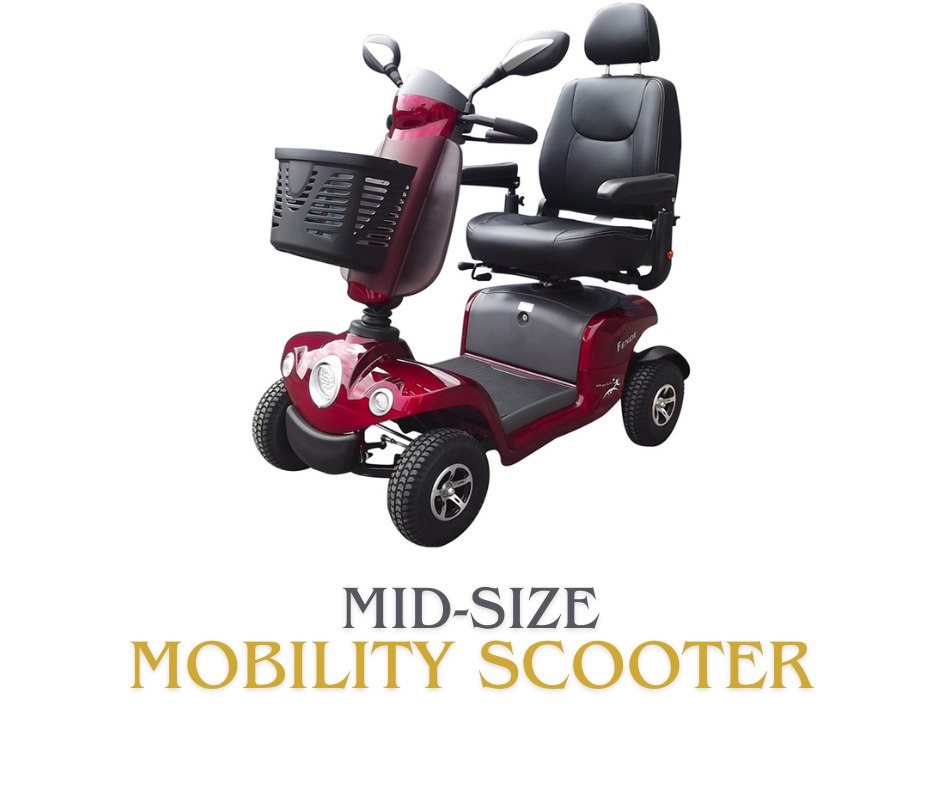
A balance of comfort and power. Perfect for:
• Daily errands
• Longer rides
• Indoor and outdoor use
These are the “just right” option for many people.
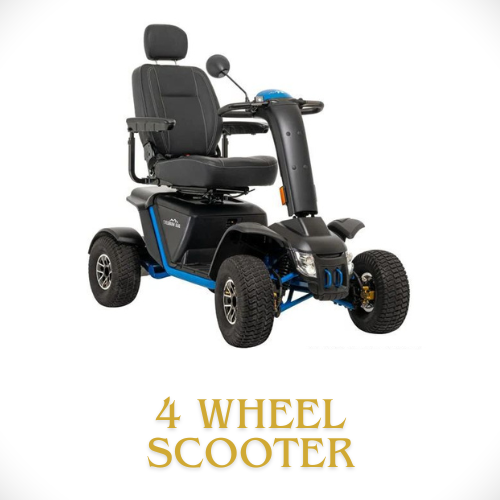
3. Heavy‑Duty or All‑Terrain Scooters
Electric 4 wheel scooters are built for stability and strength. Best for:
• Outdoor adventures
• Rougher surfaces
• Larger body frames
If you want maximum durability and range, this category shines.
Each type has its strengths, and understanding them helps you move confidently into the buyer’s guide ahead.
Buyer’s Guide: How to Choose the Right Electric Scooter for Mobility
This is where things often feel overwhelming — but not today. Let’s break it down into simple, friendly steps.
1. Consider Where You’ll Use It
Indoors? Outdoors? Both?
Your environment determines the size, turning radius, and wheel type you’ll need. Four wheel scooter offers more stability than 3 wheel scooter.
2. Think About Transport
Will you lift it into a car?
Do you need it to fold?
Travel scooters are best for portability.
3. Check the Weight Capacity
Choose a scooter that comfortably supports your body weight with room to spare. This ensures safety and long‑term durability.
4. Look at Battery Range
If you enjoy longer outings, choose a scooter with extended battery life. Peace of mind is priceless when you’re out and about.
5. Prioritize Comfort
Test the seat, armrests, and legroom if possible. Comfort directly affects confidence and enjoyment.
6. Review Safety Features
Look for:
• Anti‑tip wheels
• Automatic braking
• Lights and indicators
• Stable steering
Safety isn’t optional — it’s essential.
7. Set a Realistic Budget
Affordability matters.
The good news? There are excellent options at every price point. And if you’re buying for a loved one, knowing the budget upfront helps narrow choices quickly.
With these steps in mind, you’re already closer to making a confident, informed decision.
Safety Considerations: Staying Secure and Supported
Safety is one of the biggest concerns for new riders — and understandably so. Here’s what to keep in mind:
• Start slow until you feel comfortable.
• Practice in open spaces before navigating crowds.
• Charge the battery regularly to avoid unexpected stops.
• Keep tyres inflated for smoother, safer rides.
• Use lights and reflectors when riding outdoors.
These simple habits build confidence and help you enjoy your scooter with peace of mind.
Real‑World Scenarios: What Life Looks Like with a Mobility Scooter
Scenario 1: The Weekly Grocery Trip
Margaret, 74, used to dread grocery shopping because of hip pain. With her mid‑size electric 4 wheel scooter for mobility, she now moves through the aisles comfortably, chats with neighbours, and returns home with energy to spare.
Scenario 2: A Day at the Park
Daniel, 58, living with MS, uses a travel folding scooter to enjoy weekend outings with his grandchildren. He keeps up with them easily — and they love riding alongside him.
Scenario 3: Regaining Social Confidence
Lina, 67, felt embarrassed about needing mobility support. After trying a 4 wheel electric scooter, she realised it wasn’t a limitation — it was a lifeline. Now she attends community events again with pride.
These stories reflect what’s possible for you or your loved one, too.

Conclusion: You Deserve Confidence, Comfort, and Independence
Choosing an electric scooter for mobility is more than a purchase — it’s a step toward freedom, dignity, and a life lived on your own terms. Whether you’re researching for yourself or someone you care about, you’re doing something thoughtful, empowering, and deeply meaningful.
And remember: you’re not alone in this. With the right information, a supportive guide, and a clear sense of what matters most, you can make a confident decision that brings peace of mind and joy for years to come.
Stay mobile, stay confident!
Sign up for our monthly Mobility Scooter Newsletter to receive practical guides, expert advice, and inspiring stories that help you make the most of your scooter and download our FREE "Mobility Scooter Guide for Beginners."
Don't worry — your e-mail address is totally secure.
I promise to use it only to send you our newsletter, "Mobility Matters."
Stay mobile, stay confident!
Sign up for our monthly Mobility Scooter Newsletter to receive practical guides, expert advice, and inspiring stories that help you make the most of your scooter and download our free "Mobility Scooter Guide for Beginners."
Don't worry — your e-mail address is totally secure.
I promise to use it only to send you our newsletter, "Mobility Matters."
Recent Articles


-
Portable vs Travel vs Folding Mobility Scooters Buyer's Guide
Sep 15, 26 11:01 AM
 Confused by "portable," "travel," and "folding" mobility scooter listings? This guide explains what Australian sellers actually mean, with real weight comparisons and a decision framework.
 -
Mobility Scooter Types Overview: No More Confusion
Sep 15, 26 10:54 AM
 Mobility scooter types explained in plain English. Includes Australian footpath rules, airline battery limits, and the one mistake most first-time buyers make.
 -
How to Choose a Mobility Scooter in Australia Guide (2026)
Sep 15, 26 07:29 AM
 Choosing a mobility scooter in Australia? This guide covers registration requirements by state, public transport dimensions, NDIS funding steps, and practical testing advice.

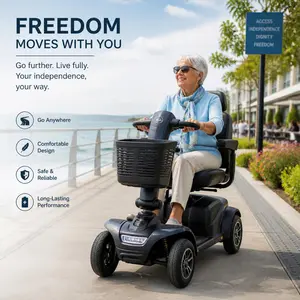

Ready to Feel More Confident on Your Mobility Scooter?

My Ebook, The Ultimate Guide to Mobility Scooters, walks you through choosing the right scooter, using it safely, and keeping it in top condition — all explained in clear, friendly language.
Give yourself (or someone you love) the gift of independence.




