- Home
- Buying Guides
- Avoiding Mobility Scooter Sales Pressure
Avoiding Mobility Scooter Sales Pressure: The Planning-Stage Hub for a Safe, Informed Purchase
Picture this. You have finally decided that a mobility scooter could genuinely help—maybe to get to the shops without exhausting yourself, to keep up with the grandkids at the park, or simply to move through your own home with less pain. You pick up the phone to ask a simple question about pricing. Within minutes, you are being steered toward a model that costs thousands more than you planned, told that a "special price" disappears if you do not sign today, and left feeling oddly exhausted, even though all you did was ask a question.
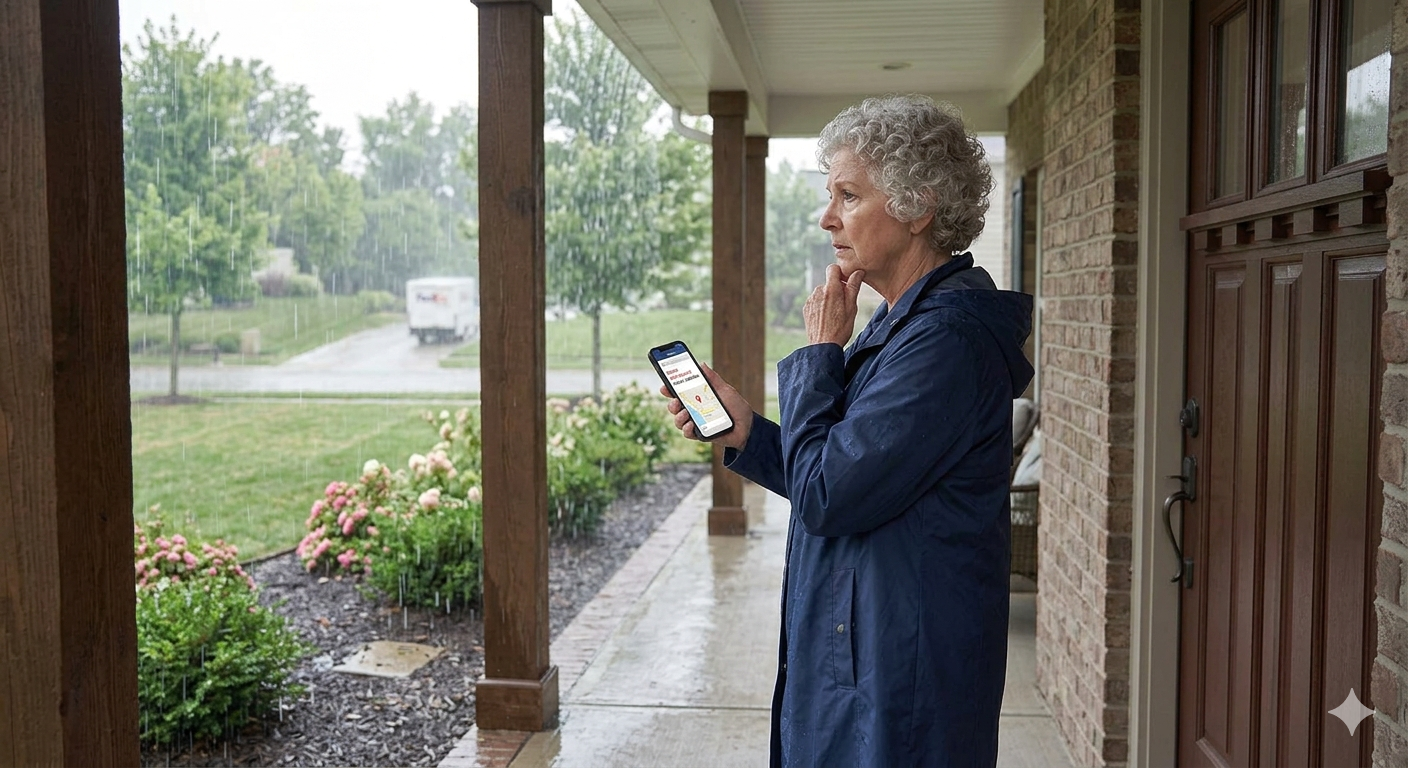
If any part of that scenario sounds familiar—or if you are worried it might happen to you—you are in exactly the right place. Avoiding mobility scooter sales pressure is not about being suspicious of every dealer; it is about walking into the buying process with a plan, a script, and the quiet confidence that comes from knowing what to expect before it happens.
This page is designed to be your planning-stage home base. It gives you the mental framework, the red-flag awareness, and the power scripts you need before you ever step into a showroom, agree to a home demonstration, or sign anything. Where a topic deserves a deeper dive, you will find a direct link at the moment it becomes relevant. Think of this as the calm, friendly briefing you get before a journey—so that the journey itself feels far less daunting.
Why This Purchase Is Different—and Why Pressure Is a Real Risk
Buying a mobility scooter is not like buying a toaster. For many people, it is the first time they are navigating a significant mobility change, often while also processing safety concerns, funding questions, and emotional adjustments. That combination makes the planning stage uniquely vulnerable—and the industry knows it.
The Australian Competition and Consumer Commission (ACCC) explicitly identifies pressuring and harassing consumers as unfair business practices, and notes that "undue harassment" can include persistent, over-the-top sales methods designed to leave a person feeling "intimidated, tired or demoralised". Courts can treat particularly harsh conduct toward people experiencing vulnerability as unconscionable conduct—behaviour so harsh, unfair, or oppressive that it goes against good conscience. In other words: the pressure you may sense is not imaginary, and you are not being oversensitive. It is a recognised consumer protection issue, and there are laws that acknowledge it.
In Australia alone, over 230,000 people use mobility scooters for personal transport, with prices ranging from around $1,000 for entry-level travel models to well over $7,000 for heavy-duty all-terrain scooters. The size of that price range—and the fact that many buyers are navigating a new and emotionally loaded life stage—creates exactly the conditions where pressure tactics can flourish. Knowing that is not meant to scare you; it is meant to arm you.
The next step is learning to recognise the most common plays.
Recognising the Playbook: The Most Common Pressure Tactics
The first act of planning is learning to name what is happening. Pressure rarely arrives as a single aggressive demand; it is usually a sequence of smaller moves designed to erode your resolve.
The commission-first steer. You ask for a simple, affordable scooter for errands. Within minutes, you are being guided toward a premium model that costs double or more. The pitch sounds confident and "one-size-fits-all," but the pattern often reflects commission-driven sales—where the salesperson's pay depends on selling the higher-margin product, not the right product. A good dealer will listen first, recommend second, and be genuinely comfortable recommending a less expensive model if it fits your needs better.
The "today-only" urgency play. A large discount, a "once in a lifetime" price, or a bonus that is available only if you sign on the spot. Legitimate retailers with clear, upfront pricing do not need to manufacture artificial deadlines. When a seller offers a large discount only available if you buy on the same day, that is pressure selling, and the safest response is to step away. Australian regulators have specifically called out "last chance" banners and countdown clocks as artificial urgency tactics in the mobility sector.
The doorstep wear-down. This is one of the most documented tactics in mobility sales. A salesperson gains entry to your home and then stays for two to four hours, refusing to leave until you agree to buy. The strategy is not persuasion; it is exhaustion. The British Healthcare Trades Association (BHTA) explicitly lists "overstaying their welcome"—a salesperson refusing or finding excuses not to leave until a purchase is made—as an underhand sales technique, and its code of practice requires members to conclude a home assessment or sale within three hours and to comply immediately with any request to leave. If a seller turns up uninvited, the clear advice is: never buy on the doorstep.
The vague quote. You are given a monthly figure or a "package" price, but key costs—delivery, aftercare, servicing, warranty exclusions—are left unclear. Upfront pricing should be exactly that: the full cost of the product, including aftercare, made clear from the start. A seller who waits until the end of the conversation to reveal the price is using a deceptive tactic designed to keep you invested before you see the full picture.
The "perfect for your condition" claim. A salesperson tells you a specific model is exactly right for your medical situation. This is a red flag not because salespeople cannot offer guidance, but because suitability for a mobility device is a clinical and functional question, not a sales question. Australian road-safety guidance and consumer advocacy both strongly recommend an independent assessment by an occupational therapist (OT) or relevant healthcare professional before committing to a device—particularly for powered mobility aids like scooters and powerchairs. A salesperson who short-circuits that process is not acting in your interest.
Deeper dive: If you want a structured, Australia-focused tool for the entire pre-purchase process, see the: Mobility scooter buying checklist that prevents pressure selling (Australia-focused). (Coming Soon!)
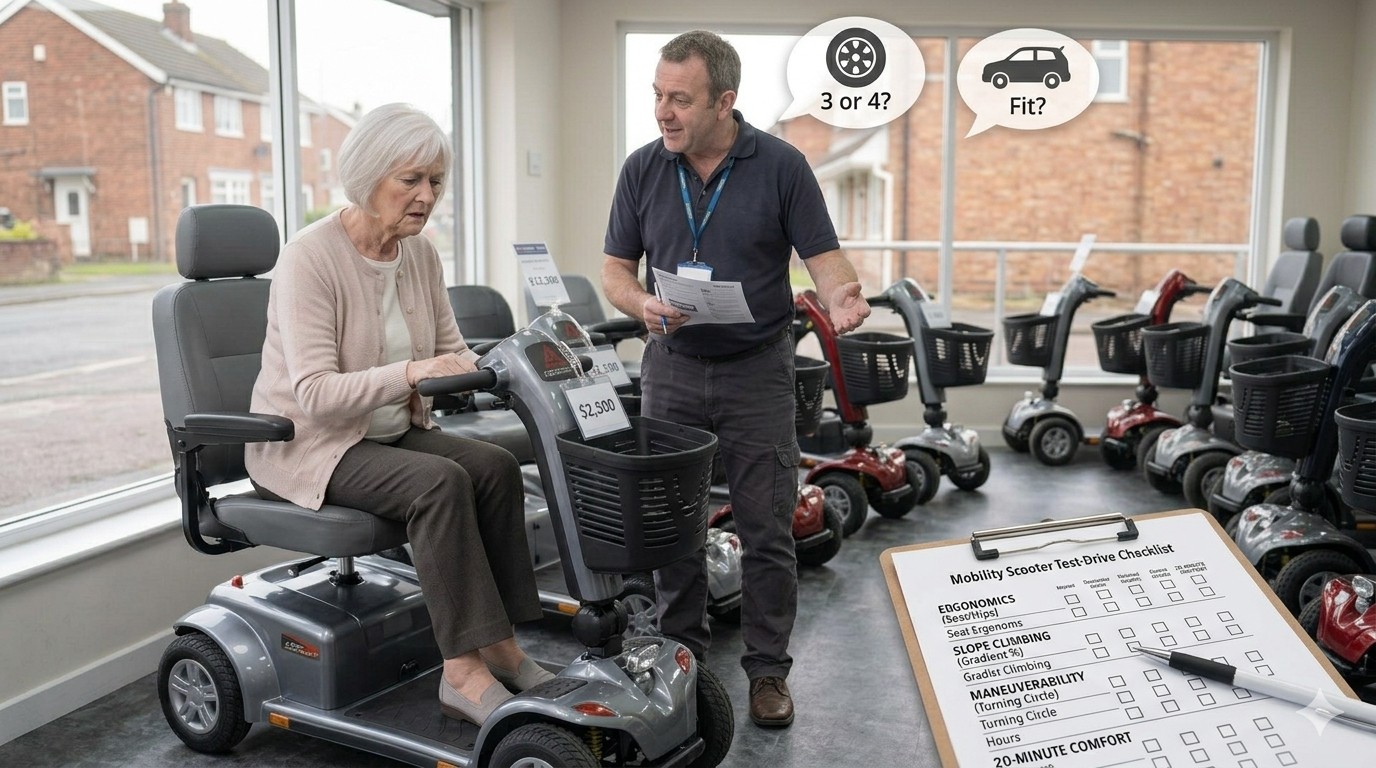
Your Power Scripts: What to Say to Slow Things Down and Keep Control
Planning means having words ready before you need them. You do not have to be rude. You do not have to justify yourself. You simply need a small set of firm, polite phrases that buy you time and keep the decision in your hands.
When you are not ready to decide:
"I am in the research and planning stage. I will not be making a purchase today. Please give me your details, and I will contact you if I wish to proceed."
When you are pushed for a "yes" on the spot:
"I understand you are offering a deal today. I am not able to make a decision without reviewing the full written quote and comparing my options. Please put everything in writing, and I will consider it in my own time."
When you are asked for a deposit before you have decided:
"I am not prepared to pay a deposit until I have a full written quote, the warranty terms, the return policy, and the deposit-refund conditions in front of me. What are your written terms on deposits and cancellations?" Australian guidance indicates that any deposit paid must normally be refunded in full within 30 days of a proper cancellation, and if a deposit is non-refundable, that must be made clear when you place the order.
When a home demonstration is becoming uncomfortable:
"I would like to end the demonstration now. Please pack up the equipment. I will contact the office if I wish to continue." You have the right to end an appointment in your own home. A legitimate dealer offering a no-pressure trial will make it clear that there is no obligation to buy and that they will take the equipment with them when they leave.
Deeper dive: For a full library of word-for-word phrases for every situation—from the first phone call to the final signature—see the: Mobility scooter salesperson scripts: what to say to slow things down and keep control. (Coming Soon!)
The Planning Tools You Need Before You Talk to Anyone
The most effective defence against sales pressure is preparation. Not a defensive, arms-crossed kind of preparation—but the quiet confidence that comes from knowing exactly what you need and what you will not accept. These are the tools that make that possible.
A written quote—and the list of what it must include. Never rely on a verbal price. Ask for a full written quote that itemises the scooter, delivery, assembly, aftercare, servicing costs, warranty terms, and the return or cancellation policy. If it is not in writing, it does not exist for the purposes of your decision.
Deeper dive: What to ask for in writing before buying a mobility scooter (quote, warranty, returns, servicing) walks you through every line item to demand. (Coming Soon!)
Clarity on deposits and refunds. Before you pay anything, ask three questions: Is the deposit refundable? What are the cancellation terms in writing? What happens if the scooter is delayed or unsuitable? Australian guidance is clear that non-refundability must be disclosed at the time of order—not buried in small print.
Deeper dive: Mobility scooter deposit and refund questions to ask before you pay anything gives you the exact questions and the red flags to listen for. (Coming Soon!)
A no-pressure demo or trial with rules you set. You are allowed to timebox the demonstration, specify which models you want to see, and state clearly that no purchase decision will be made on the day. A legitimate dealer will welcome this; a pushy one will resist it.
Deeper dive: How to run a no-pressure mobility scooter demo or trial (set rules, timebox, decision criteria) shows you how to structure the appointment so that it serves you, not the salesperson.
A comparison sheet for two quotes. Comparing two scooters is not about which one "feels" better in the showroom—it is about matching specifications to your actual daily needs, your home environment, and your budget. A simple side-by-side sheet that lists price, range, weight, turning radius, warranty length, and aftercare costs turns a confusing conversation into a clear decision.
Deeper dive: Mobility scooter comparison sheet: how to compare two quotes apples-to-apples gives you a ready-made framework so you never have to hold all the details in your head. (Coming Soon!)
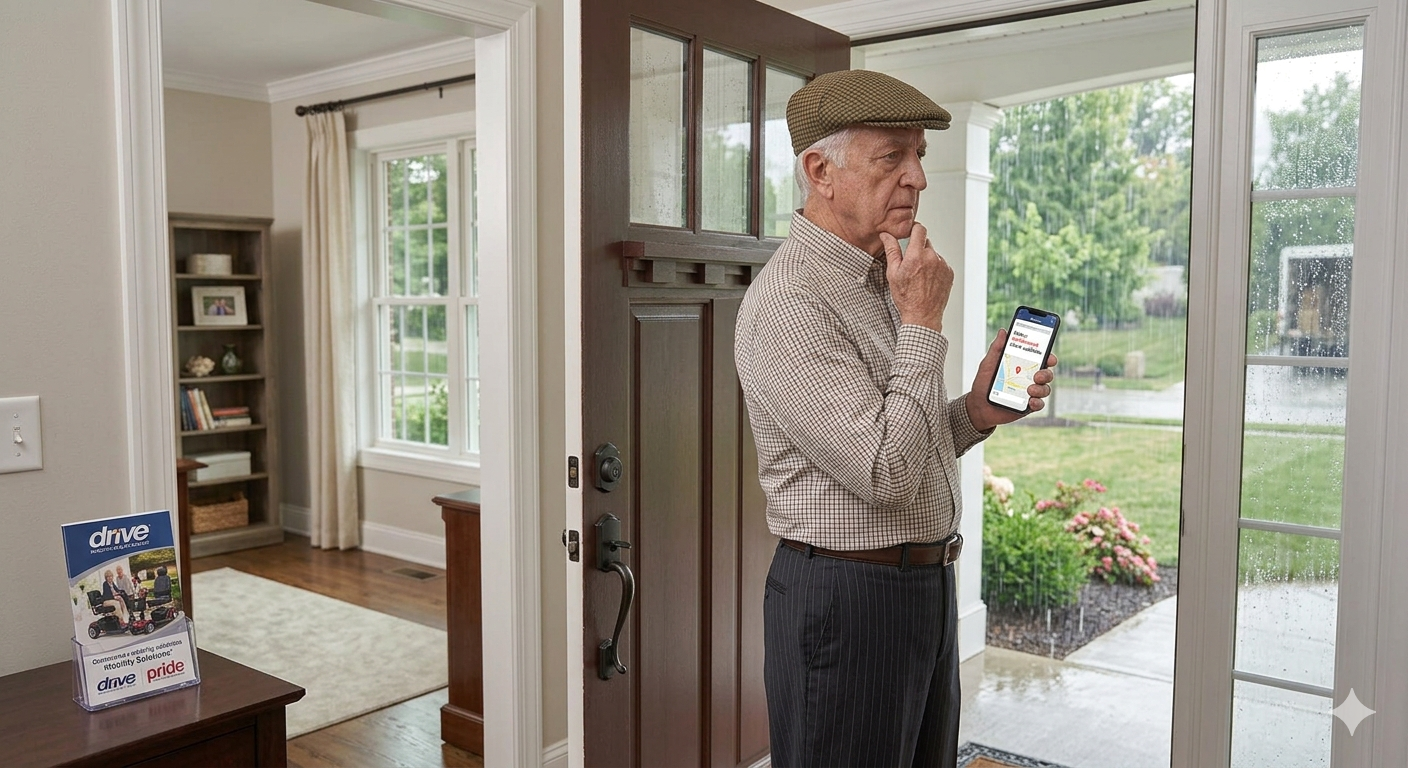
When the Salesperson Comes to You: Home Visits and Doorstep Pressure
Home demonstrations can be genuinely useful—you get to see how a scooter handles your own doorway, your own hallway, your own front step. But they also remove the natural exit routes that a showroom provides, which is why they are a favoured setting for pressure tactics.
The BHTA's research and code of practice are instructive here: objecting to having a relative, friend, or carer present is a major red flag, and a reputable dealer should actively encourage a second pair of eyes and ears, especially if you have poor eyesight or find paperwork difficult.
If a salesperson tries to dissuade you from having someone with you, that is not a minor irritation—it is a signal about how they intend to operate. Similarly, a salesperson who refuses to leave, or who overstays for hours, is relying on your exhaustion rather than your informed consent. You have the right to bring any contact to an end, and in many jurisdictions, unsolicited doorstep sales come with a cooling-off period of seven days or more—but the safest approach is to never put yourself in that position in the first place.
Deeper dive: Home-visit mobility scooter sales: red flags and how to end the appointment gives you a room-by-room plan for keeping control of a home demonstration. (Coming Soon!)
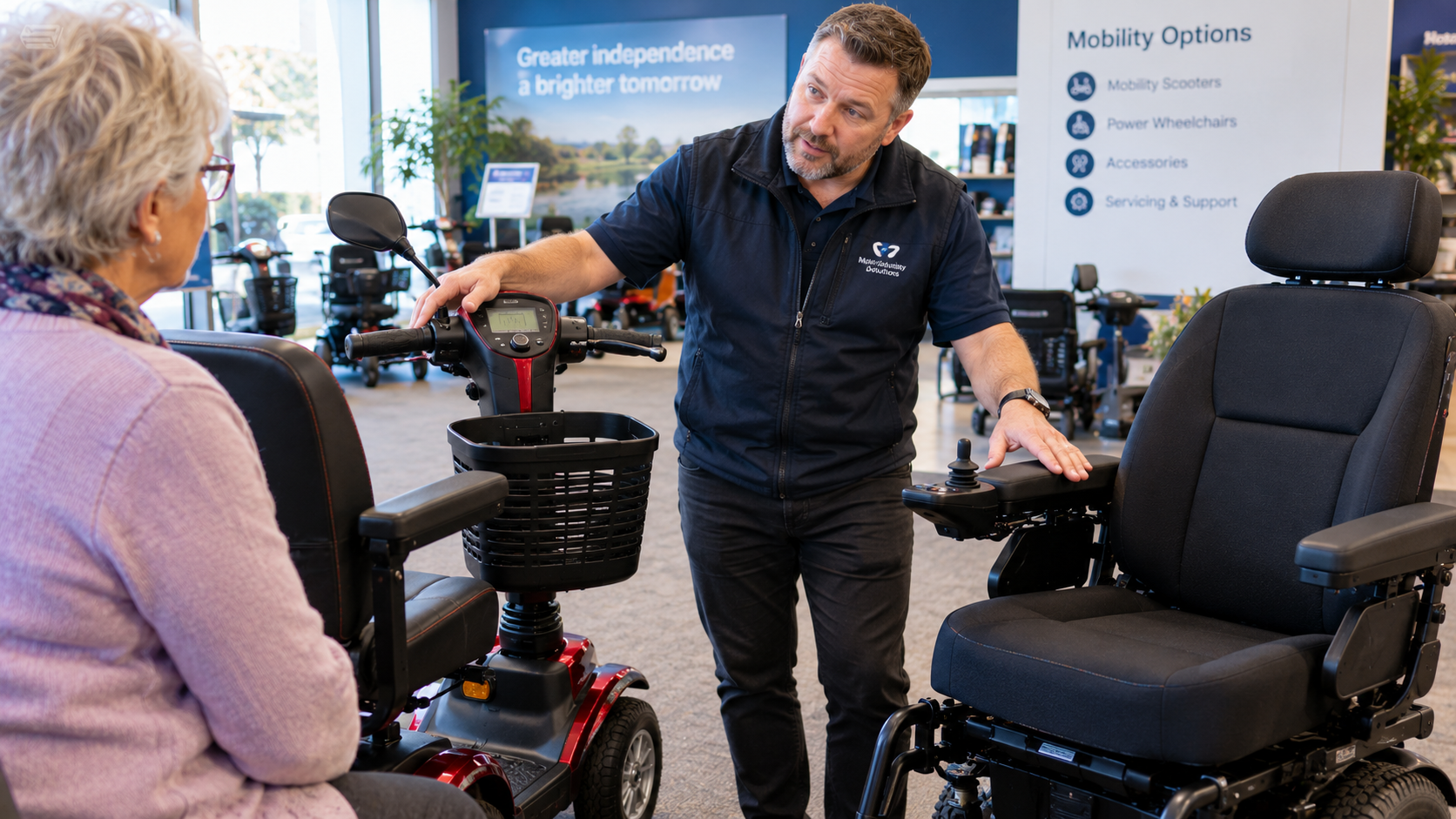
Buying Used—and Navigating "Today-Only" Deals—Without Getting Caught
The pressure tactics do not disappear when you look at used scooters on Gumtree or Facebook Marketplace; they simply change shape. A private seller may not have a commission structure, but that does not mean the scooter is safe, suitable, or fairly priced. Buying used can be a smart, budget-friendly option—but it requires its own checklist, its own questions, and its own red-flag awareness.
Deeper dive: Buying a used mobility scooter without getting pressured or scammed (Gumtree/Facebook Marketplace) covers what to inspect, what to ask, and how to walk away. (Coming Soon!)
And when a dealer insists that a discount is "today only," your best move is not to argue—it is to verify. Genuine discounts can be checked against the manufacturer's recommended price, other retailers' listed prices, and the dealer's own previous pricing. If the "original" price never existed, the discount is not a discount.
Deeper dive: "Today-only deal" tactics: how to verify mobility scooter discounts and price claims gives you a simple verification process so you can separate a real deal from a manufactured deadline. (Coming Soon!)
The Upsell Trap: Add-Ons, Extended Warranties, and "Free" Gifts
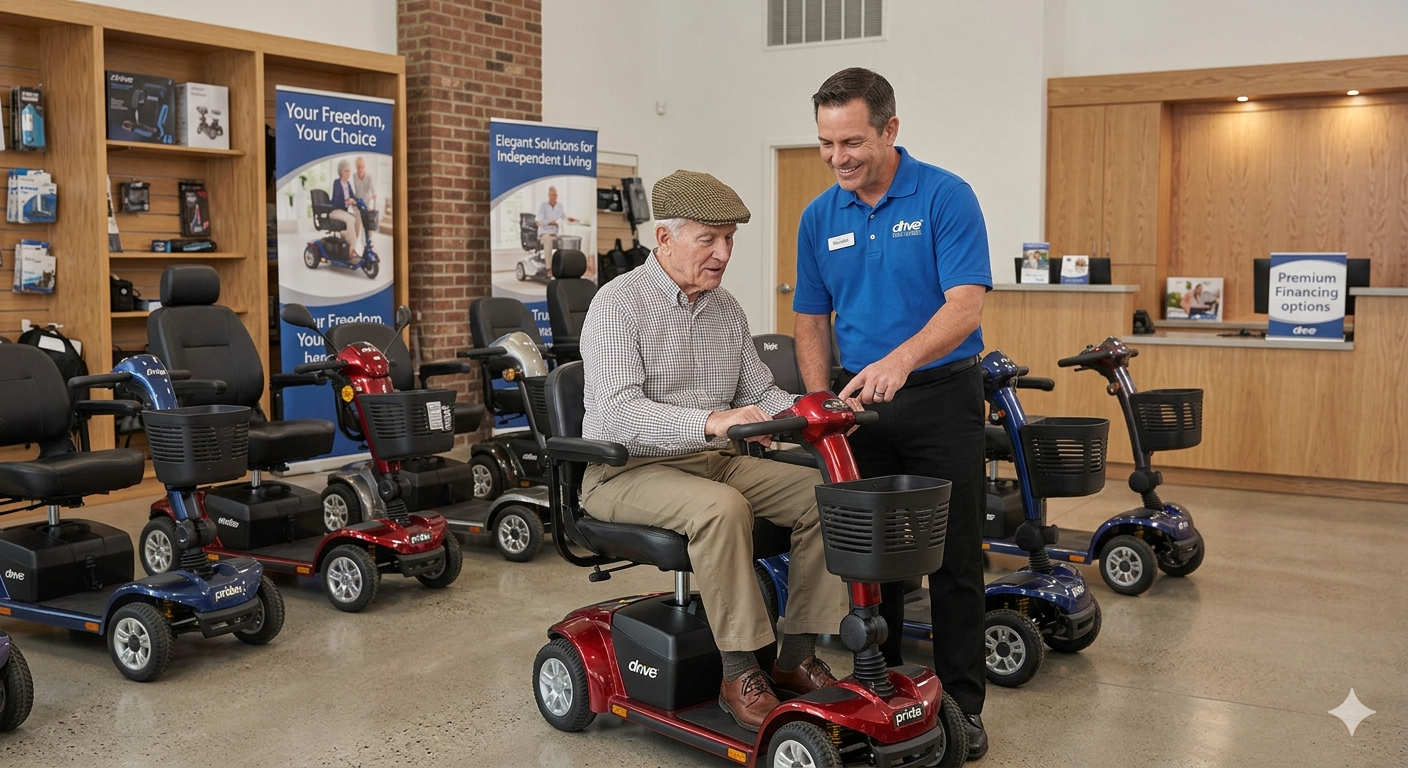
Once you have chosen a scooter, the conversation often shifts to add-ons: extended warranties, service plans, accessory bundles, and "free" gifts that come with conditions attached. Some of these are genuinely useful; many are not. The key is to separate the two before you are in the room, so that you are evaluating a product against your needs rather than against a salesperson's urgency.
Australian consumer law already provides statutory guarantees that goods must be of acceptable quality and fit for purpose—protections that exist independently of any extended warranty a dealer may try to sell you. A service plan may be worth considering if it includes scheduled maintenance and callouts at a fair price; an extended warranty that merely duplicates your existing rights, or that is priced at a significant percentage of the scooter's cost, deserves careful scrutiny.
Deeper dive: Extended warranty and service-plan upsells for mobility scooters: when to say no (and what to ask instead) helps you evaluate these offers with a clear head. (Coming Soon!)

Frequently Asked Questions
1. What are the most common mobility scooter pressure-selling tactics?
The most common include commission-first steering toward expensive models, "today-only" discounts, doorstep salespeople who overstay for hours, vague quotes with hidden costs, and "perfect for your condition" claims that bypass proper assessment.
2. What should I say if a salesperson pushes me to "buy today"?
Use a calm, firm script: "I am not able to make a decision without reviewing the full written quote and comparing my options. Please put everything in writing, and I will consider it in my own time." If the pressure continues, end the conversation—you do not owe anyone a same-day decision.
3. Is it normal to be asked for a deposit before I've decided?
It is common, but "normal" does not mean you should agree without written terms. Ask whether the deposit is refundable, what the cancellation terms are, and request those terms in writing. Australian guidance indicates deposits should normally be refunded in full within 30 days of a proper cancellation, and non-refundability must be disclosed upfront.
4. Should I take a family member or carer to a scooter demo?
Yes—and a reputable dealer should encourage it, not resist it. Having a second person present gives you another pair of eyes on contracts and another voice to ask questions, and it makes underhand sales techniques far less likely to be attempted.
5. What questions should I ask so I stay in control of the decision?
Ask for the full written quote, the warranty terms, the return and cancellation policy, the deposit-refund conditions, and the aftercare and servicing costs. Ask which models suit your specific environment and daily needs, and ask whether an independent OT assessment is recommended before purchase.
6. What details should I write down during a sales call or showroom visit?
Record the date, the salesperson's name and contact details, every model discussed, the quoted price (including all extras), the warranty length and what it covers, the return policy, and any promises made verbally. If it is not in writing, ask for it in writing before you proceed.
7. How do I respond to "this model is perfect for your condition" claims?
Thank the salesperson for their opinion, then say: "I would like an independent assessment before I commit to a specific model." Suitability for a mobility device is a clinical and functional question, and an OT assessment is the appropriate way to answer it—not a salesperson's assurance.
8. Is it safer to buy a mobility scooter online to avoid sales pressure?
Online buying removes the face-to-face pressure, but it introduces different risks: you cannot try before you buy, delivery and return costs can be significant, and the ACCC has expressed concern about safety issues related to some online retailers of powered mobility scooters. The safest approach is to combine online research with an in-person trial and a written quote.
9. How can I tell the difference between a legitimate dealer and a scam?
Legitimate dealers offer clear upfront pricing, encourage education and comparison, welcome a support person at demonstrations, provide written quotes and terms, and do not manufacture urgency. Scams often involve prices that seem too good to be true, pressure to pay upfront without documentation, and resistance to independent assessment.
10. What warranties should be in writing before I pay anything?
You should have in writing the warranty length (typically 12–24 months for new scooters in Australia), exactly what is covered (motor, battery, frame, electronics), what is excluded, who performs warranty repairs, and how to make a claim. If it is only verbal, it is not a warranty you can rely on.
11. Can I ask for a written quote—and what should it include?
Yes, you should insist on it. A proper written quote includes the scooter model and specifications, the total price, delivery and assembly costs, aftercare and servicing costs, warranty terms, the return and cancellation policy, and any add-ons or accessories itemised separately.
12. What add-ons are commonly upsold, and which ones can I decline?
Common upsells include extended warranties, service plans, accessory bundles (bags, baskets, covers), upgraded batteries, and "premium" seating. You can decline any add-on that does not address a genuine need you have identified—and you should ask whether each item is included in the base price or genuinely additional.
13. How do I handle "free gift / bonus accessories" offers that come with strings attached?
Ask for the conditions in writing. If the "free" gift requires a same-day purchase, a deposit, or a commitment you are not ready to make, it is not free—it is a pressure tactic. A genuine bonus should not come with a deadline designed to override your decision-making process.
14. What should I avoid signing on the spot?
Avoid signing any contract, deposit form, or finance agreement on the spot. Ask to take it home, read it in your own time, and have someone you trust review it. If a salesperson insists you must sign immediately to secure a price, that is a red flag, not a reason to hurry.
15. How do I end a sales conversation politely (and quickly)?
Use a closing script: "Thank you for your time. I have the information I need for now. I will contact you if I wish to proceed." Then stand up, walk to the door, or end the call. You do not need to explain yourself or justify your decision.
16. What should I do if I feel uncomfortable or pressured during a home demo?
Say clearly: "I would like to end the demonstration now. Please pack up the equipment." If the salesperson does not comply, ask them to leave. You have the right to end any contact in your own home, and a legitimate dealer will respect that immediately.
17. How long should I take to decide on a mobility scooter purchase?
There is no "correct" timeframe, but a decision made under pressure is not a decision—it is a reaction. Take at least several days to review written quotes, compare models, and discuss with someone you trust. A good dealer will never rush you; a pushy one will.
18. Is it a red flag if they won't let me compare models or specs?
Yes. A dealer who resists comparison is likely worried that you will see the limitations of their offer. A legitimate dealer will welcome comparison and may even help you build a side-by-side sheet.
19. Should I get an occupational therapist (OT) opinion before buying?
For powered mobility devices, an OT assessment is strongly recommended—and in some Australian contexts, it is part of the appropriate clinical pathway for matching a device to your needs, environment, and safety. An OT can assess your mobility, your home layout, and your daily activities in a way that a salesperson cannot.
20. What's the simplest way to compare two scooters without getting overwhelmed?
Use a comparison sheet with a small set of weighted criteria: price (including all costs), range, weight and portability, turning radius, warranty length, aftercare and servicing, and suitability for your specific environment (indoor, outdoor, or both). Keep it to one page, and score each scooter against the same criteria.
Deeper dive: Mobility scooter comparison sheet: how to compare two quotes apples-to-apples gives you the exact template. (Coming Soon!)

Your Next Step: Plan First, Buy Second
Avoiding mobility scooter sales pressure is not about becoming cynical or closed off. It is about deciding—before anyone tries to decide for you—what you need, what you will accept, and what you will walk away from. The planning stage is where that decision happens, and it is the most powerful position you can occupy in any buying conversation.
You now have the framework: the tactics to recognise, the scripts to use, and the tools to bring with you. The deeper guides linked throughout this page are here whenever you are ready for them—each one is designed to take you one step further into the specific details without ever losing sight of the fact that this purchase is about your independence, your comfort, and your life.
Take your time. Ask your questions. Bring someone with you. And remember: the best dealers are the ones who are perfectly happy to let you do all three.
If you are ready to go deeper, these guides will help you with the next decisions:
1. Mobility scooter buying checklist that prevents pressure selling (Australia-focused) (Coming Soon!)
2. What to ask for in writing before buying a mobility scooter (quote, warranty, returns, servicing) (Coming Soon!)
3. Mobility scooter deposit and refund questions to ask before you pay anything (Coming Soon!)
4. How to run a no-pressure mobility scooter demo or trial (set rules, timebox, decision criteria) (Coming Soon!)
5. Mobility scooter comparison sheet: how to compare two quotes apples-to-apples (Coming Soon!)
6. Mobility scooter salesperson scripts: what to say to slow things down and keep control (Coming Soon!)
7. Home-visit mobility scooter sales: red flags and how to end the appointment (Coming Soon!)
8. Buying a used mobility scooter without getting pressured or scammed (Gumtree/Facebook Marketplace) (Coming Soon!)
9. “Today-only deal” tactics: how to verify mobility scooter discounts and price claims (Coming Soon!)
10. Extended warranty and service-plan upsells for mobility scooters: when to say no (and what to ask instead) (Coming Soon!)
Stay mobile, stay confident!
Sign up for our monthly Mobility Scooter Newsletter to receive practical guides, expert advice, and inspiring stories that help you make the most of your scooter and download our free "Mobility Scooter Guide for Beginners."
Don't worry — your e-mail address is totally secure.
I promise to use it only to send you our newsletter, "Mobility Matters."
Recent Articles


-
Avoiding Mobility Scooter Sales Pressure Before You Buy
Nov 15, 26 12:03 AM
 Avoiding mobility scooter sales pressure begins with knowledge. This friendly hub walks you through every step—calmly and clearly.
-
What “Heaviest Piece” Really Means for Disassembling Scooters
Nov 13, 26 10:17 PM
What “heaviest piece” really means: the single number that decides if you can store and handle a scooter daily. Learn the test. -
Storage-First Decision Guide: Stop Buying the Wrong Scooter
Nov 13, 26 10:15 PM
 Storage-first decision guide that respects your space and your safety. Learn when a compact scooter works and when it fails.


Ready to Feel More Confident on Your Mobility Scooter?

My Ebook, The Ultimate Guide to Mobility Scooters, walks you through choosing the right scooter, using it safely, and keeping it in top condition — all explained in clear, friendly language.
Give yourself (or someone you love) the gift of independence.




