- Home
- Mobility Scooter Accessories and Power
- Mobility Scooter Accessories
- Batteries for Mobility Scooter
Batteries for Mobility Scooter: Your Friendly Guide to Power, Confidence, and Independence
If you’ve landed here on MobyScooter, you’re probably looking for clear, friendly guidance about batteries for mobility scooter use — without the jargon, the overwhelm, or the pressure.
You might be choosing a battery for yourself, or you might be supporting a parent, spouse, or someone you care for. Either way, you deserve information that feels calm, reassuring, and genuinely helpful, and that’s exactly what this guide is designed to give you as we walk through it together.
At MobyScooter, we believe mobility is more than movement — it’s dignity, confidence, and the freedom to stay connected to the world. And the right battery plays a huge part in that, which is why we’re going to take this step by step, in plain language, with zero stress.

Why Mobility Scooter Batteries Matter So Much
A mobility scooter battery isn’t just a power source — it’s the heart of the scooter. It determines how far you can go, how reliably you can get there, and how confident you feel leaving home.
When your battery works well, life feels easier. When it doesn’t, everything becomes harder. That’s why understanding your options is so important, and why we’re about to make it simple.
The Three Main Types of Mobility Scooter Batteries
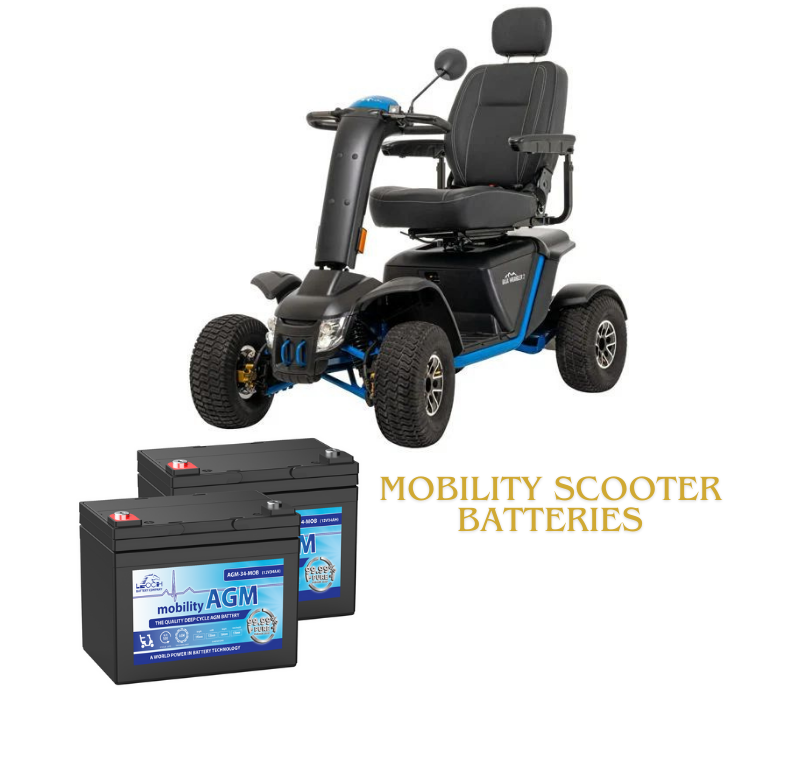
1. AGM (Absorbent Glass Mat) Batteries
These are the most common and most affordable batteries for mobility scooter. They’re reliable, safe, and perfect for everyday use. If you’re replacing an older battery or working within a budget, AGM is often a great fit.
A good deal of mobility scooter users choose AGM because it’s dependable and cost‑effective.
2. Gel Batteries
Gel batteries are a step-up in comfort and longevity. They deliver smoother power, last longer, and handle daily use beautifully. They cost more upfront, but they often save money over time.
If you or your loved one relies on the scooter every day, gel batteries offer peace of mind and fewer replacements.
3. Lithium‑Ion Batteries
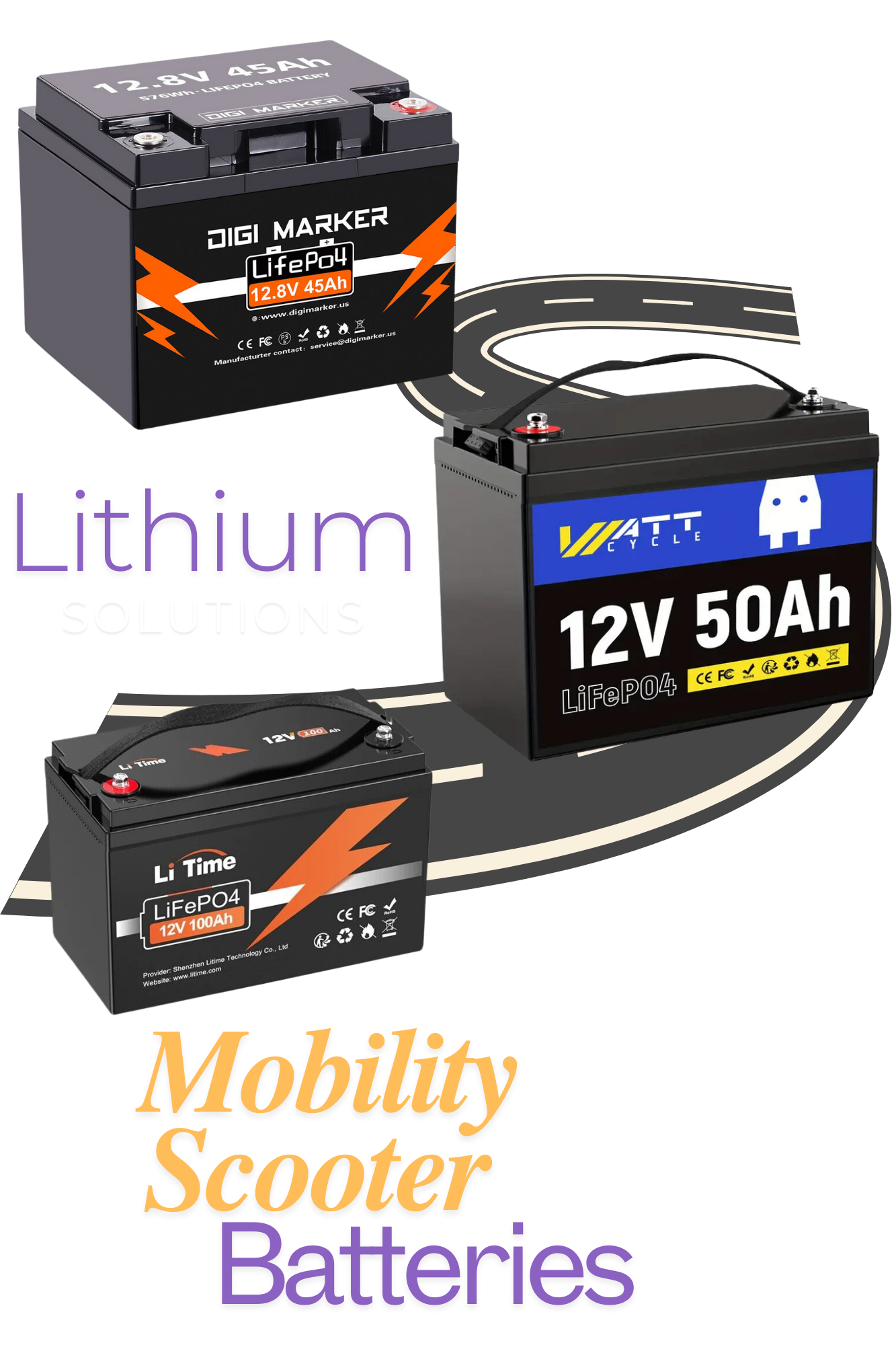
Lightweight, long‑lasting, and fast‑charging — lithium batteries are the premium option. They’re ideal for travellers, active users, or anyone who wants maximum range with minimum fuss.
They’re more expensive, but their lifespan and performance often justify the investment.
We see all three types used successfully — the “best” one is simply the one that fits your lifestyle, comfort level, and budget.
How to Choose the Right Battery (Without the Stress)
Choosing a battery for mobility scooter use doesn’t have to feel confusing. Here’s the MobyScooter approach: simple questions, clear answers, and no pressure.
1. Start With Your Scooter’s Requirements
Every scooter has specific battery needs. Matching the correct voltage and size keeps everything safe and running smoothly. If you don’t have the manual, don’t worry — most manufacturers list specs online.
2. Think About How the Scooter Is Used
Ask yourself (or the person you’re supporting):
• Are the trips short or long
• Mostly indoors, outdoors, or both
• Is portability important
• Is daily use expected
Your answers point you toward the right type of batteries for mobility scooter.
3. Consider Your Budget Comfort Zone
Affordability matters. For many seniors on fixed incomes or carers managing multiple expenses. AGM is the most budget‑friendly. Gel offers long‑term value. Lithium provides premium performance. There’s no wrong choice — only the choice that fits your situation.
4. Look at Warranty and Lifespan
A longer warranty usually means better quality. AGM batteries last 12–18 months. Gel often lasts longer. Lithium can last 3–5 years. Knowing this helps you plan ahead.
5. Think About Charging Habits
Some people prefer slow, steady overnight charging. Others want fast charging. Lithium shines here, but AGM and Gel are perfectly reliable with proper care.
Each step builds confidence — and that’s exactly what we want for you.
How Long Do Mobility Scooter Batteries Last
Most mobility scooter batteries last between 12 and 24 months, depending on:
• Battery type
• Daily usage
• Charging habits
• Terrain and weight load
Lithium batteries last the longest. Gel batteries often outlast AGM. Understanding lifespan helps you avoid surprises and plan replacements before mobility becomes limited.
Real‑World MobyScooter Scenarios
Scenario 1: Supporting Mum or Dad
If your parent uses their scooter for short daily trips — the shops, the garden, the letterbox — AGM batteries are affordable and reliable. Many families choose AGM for peace of mind and simplicity.
Scenario 2: Someone Living With Chronic Pain
For people who rely heavily on their scooter, gel batteries offer smoother power and longer life. This reduces stress and avoids frequent replacements.
Scenario 3: The Active Traveller
If you or someone you support travels often, lithium batteries for mobility scooter offer lightweight convenience and long range. They’re ideal for people who value freedom and flexibility
These examples reflect real readers and the choices they make every day.
Safety Tips for Using Batteries for Mobility Scooter
• Use the correct charger
• Avoid overcharging
• Keep batteries in a cool, dry place
• Replace batteries in pairs
• Never mix old and new batteries
• Keep terminals clean
• Follow manufacturer guidelines
These simple habits protect your scooter, your battery, and your independence.
Your MobyScooter Buyer’s Checklist
A quick, friendly list to help you compare options:
• ✔ Correct voltage and size
• ✔ AGM, Gel, or Lithium based on needs
• ✔ Warranty length
• ✔ Expected lifespan
• ✔ Charging time
• ✔ Budget comfort level
• ✔ Supplier reputation
• ✔ Delivery and return policy
This keeps everything simple and stress‑free.

Conclusion: You Deserve Confidence, Comfort, and Independence
Choosing batteries for mobility scooter can feel overwhelming — but you’ve just taken a huge step toward clarity and confidence. Whether you’re choosing for yourself or someone you love, you deserve solutions that support independence, dignity, and peace of mind.
At MobyScooter, we’re here to help you navigate every part of the journey with warmth, clarity, and genuine care. You’re not just choosing a battery — you’re choosing freedom, comfort, and the confidence to keep moving forward.
Stay mobile, stay confident!
Sign up for our monthly Mobility Scooter Newsletter to receive practical guides, expert advice, and inspiring stories that help you make the most of your scooter and download our free "Mobility Scooter Guide for Beginners."
Don't worry — your e-mail address is totally secure.
I promise to use it only to send you our newsletter, "Mobility Matters."
Recent Articles


-
Choosing the Right Battery Capacity 101: (Ah vs Wh)
Oct 08, 26 09:04 AM
 Choosing the Right Battery Capacity Guide: Compare Ah vs Wh, estimate range, and pick the best battery for your routine.
 -
Stop! Compare AGM, Gel, and Lithium Before You Buy (
Oct 08, 26 08:59 AM
How to compare AGM, gel, and lithium batteries for mobility scooters: Stop guessing. Get the honest facts before you spend your money. -
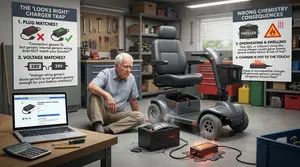
Stop! Your Charger Must Match Your Battery Chemistry
Oct 08, 26 07:08 AM
Choosing the right charger for your battery capacity and chemistry (AGM/gel vs lithium): Stop guessing. Get the facts before you buy a replacement charger.
Ready to Feel More Confident on Your Mobility Scooter?

My Ebook, The Ultimate Guide to Mobility Scooters, walks you through choosing the right scooter, using it safely, and keeping it in top condition — all explained in clear, friendly language.
Give yourself (or someone you love) the gift of independence.

