- Home
- Buying Guides
- Avoiding Mobility Scooter Sales Pressure
- Used Mobility Scooter Buying Guide
Used Mobility Scooter Checklist: Gumtree & Facebook Safety
Buying a used mobility scooter without getting pressured or scammed is not about being paranoid or assuming every seller is dishonest. It is about understanding one crucial fact before you hand over a single dollar: the rules are different in a private sale.
When you buy from a dealer, Australian Consumer Law stands behind you. When you buy from a private seller on Gumtree or Facebook Marketplace, those automatic guarantees generally do not apply. You are, in the eyes of the law, buying "as seen"—and that means the protection you have is the protection you build for yourself before you pay.
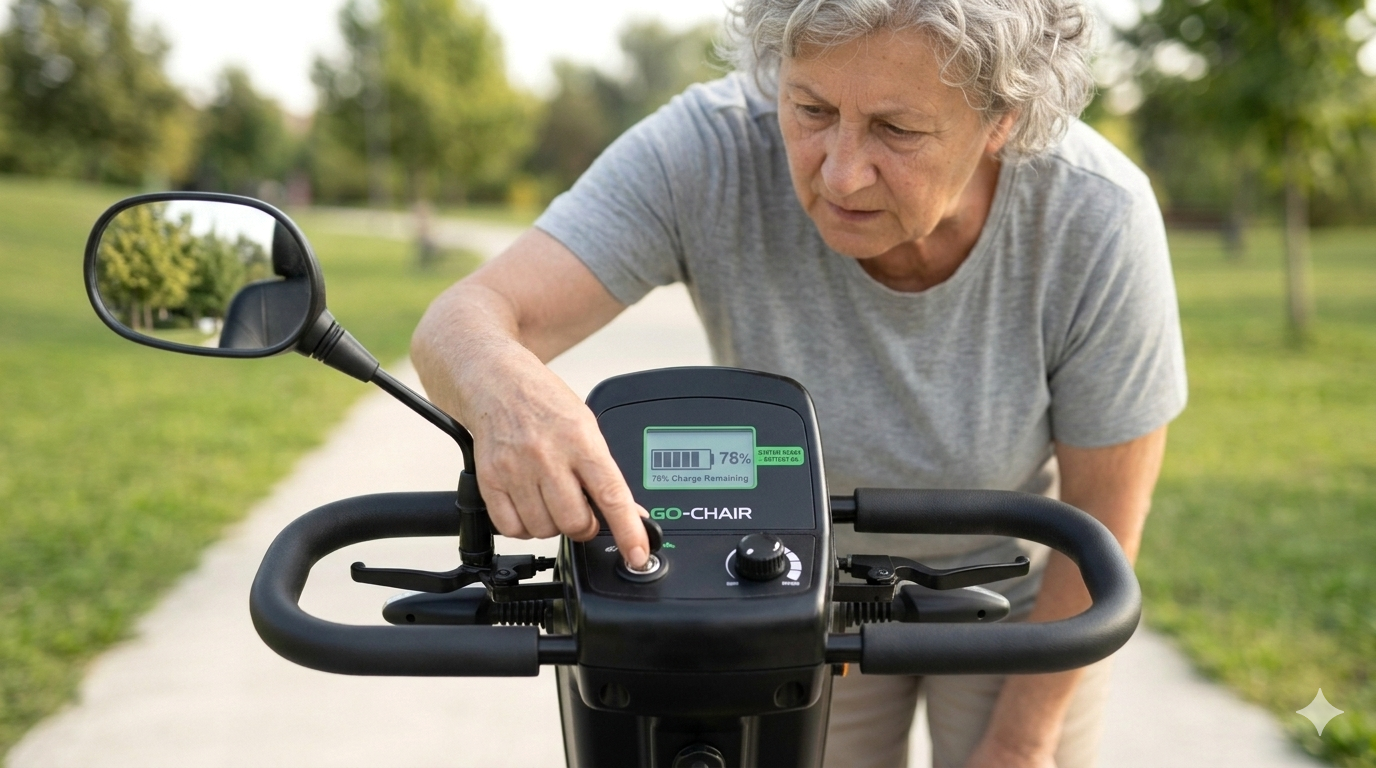
Picture this. You find a scooter on Facebook Marketplace. The photos look great. The price is $800—less than half what a new one would cost. The seller seems friendly and says it was "barely used" and "in perfect working order." You drive across town, hand over the cash, and take it home.
Three weeks later, the battery won't hold a charge. You message the seller. They don't reply. You take it to a repair shop and learn that the battery needs replacing—a cost of around $650, or perhaps $300 to $600 depending on the model. Suddenly, your $800 bargain is a $1,450 scooter with no warranty and no recourse.
This is not a rare story. It is the single most common story in the used mobility scooter market—and this guide is designed to make sure it does not become yours.
Why Private Sales Are a Different Game (and What That Means for You)
The first step to staying safe is understanding the legal landscape. Consumer guarantees—the rules that require goods to be of acceptable quality, fit for purpose, and match their description—apply to businesses. They generally do not apply when you buy from a private seller who is not running a business. As Legal Aid NSW puts it plainly: "Before you buy goods from a private seller, you should take time to inspect the goods". That inspection is not a formality. It is your primary protection.
There is also the warranty question. Once a scooter is resold privately, the manufacturer's warranty is generally void. Every repair—controllers, motors, batteries, wiring—is on you. A basic controller repair can cost hundreds of dollars, and motors are not cheap. This does not mean used scooters are a bad idea. It means the savings you see on the sticker price must be weighed against the risks you are taking on. A $500 used scooter that needs a $650 battery is not a $500 scooter. It is a $1,150 scooter—and you have no comeback if the seller misrepresented it.
Deeper dive: If you are still deciding between new and used, the planning-stage hub—Avoiding Mobility Scooter Sales Pressure —walks you through the full decision framework before you start shopping.
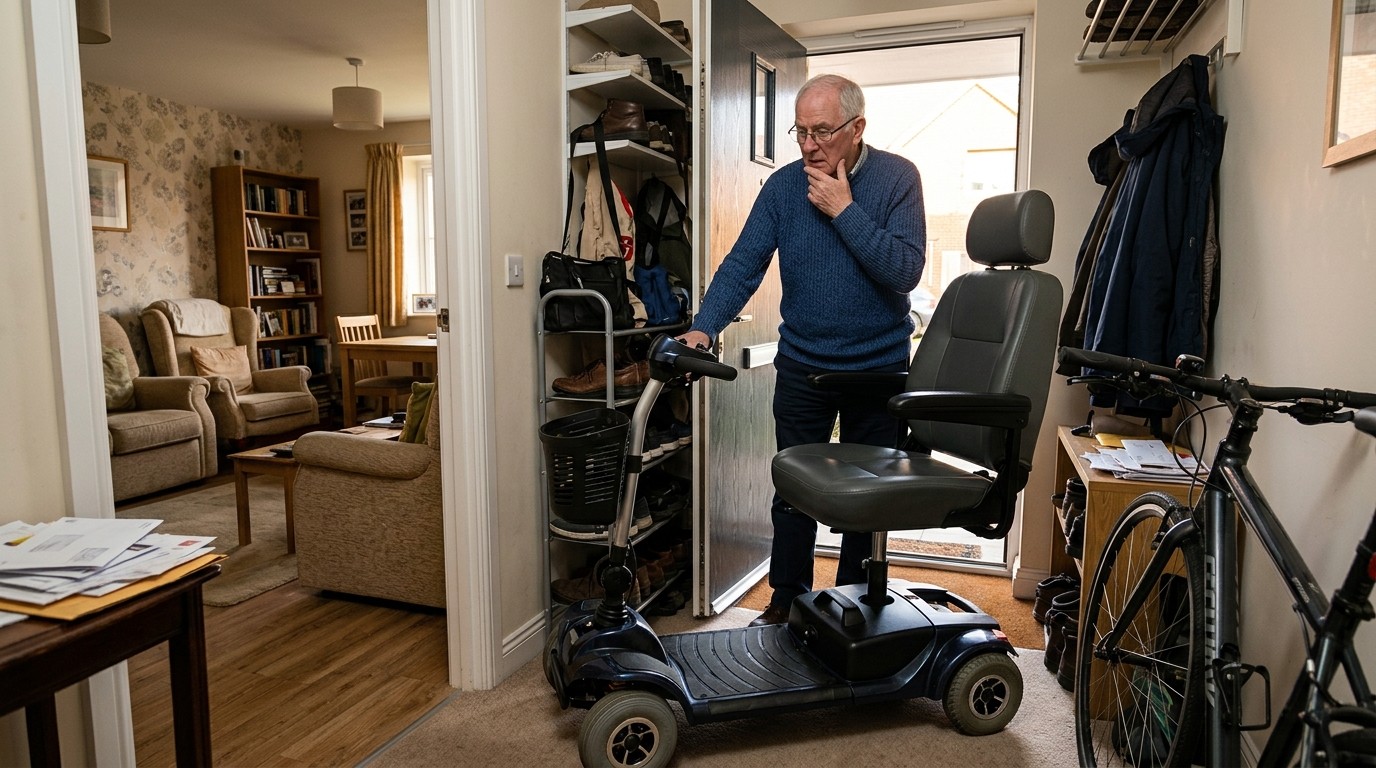
The Three Biggest Risks (and How to Neutralise Them)
Used marketplace shopping carries three overlapping risks. Knowing them in advance is half the defence.
Risk 1: The battery is worn out (or about to be). The battery is the most expensive consumable on a scooter and the most likely thing to be worn out. A scooter can look pristine and show a full battery gauge on the display, but a tired battery can read full and then collapse under load after five minutes.
The only reliable answer is a proper load test—something a private seller almost certainly has not done. A replacement battery typically costs between $300 and $600, and a dealer quote for a replacement can be around $650. If the battery is old or its history is unknown, factor the cost of a replacement into your offer before you buy.
Risk 2: There is no warranty, and no recourse. As noted above, private sales are "sold as seen". This is not a technicality. It means that if the scooter develops a fault the day after you buy it, you have no automatic right to a refund, repair, or replacement. The seller can simply stop responding. This is why the inspection and the test ride are not optional extras. They are the only warranty you are going to get.
Risk 3: The scam. Scammers specifically target older and disabled buyers with cheap mobility equipment, asking for a deposit before viewing and then disappearing. The pattern is consistent: an unusually low price, a seller who cannot show the equipment in person, a request to pay by transfer or gift card, and pressure to act quickly. The golden rule is simple: never pay a deposit before you have seen the scooter in person and verified the seller.
Deeper dive: For the full framework on verifying prices and spotting fake discounts, see the companion guide on "Today-only deal" tactics: How to Spot a Fake "Today-Only" Mobility Scooter Deal.

The Used Mobility Scooter Inspection Checklist
You do not need to be a mechanic to inspect a used scooter. You need a systematic process, a test route, and the willingness to walk away if something does not feel right.
Before you leave home:
- Ask for the make, model, and serial number over the phone. This lets you research the scooter's specifications, weight capacity, range, and typical price before you see it.
- Ask how old the batteries are and when they were last replaced. Many batteries have a date stamp on the casing. Ask whether the scooter has been kept on charge while not in use—this extends battery life.
- Ask for the service history. A scooter with a record of regular servicing has usually been looked after in other ways too.
- Bring a support person. Another set of eyes and ears is invaluable, and a seller who objects to a witness is showing you something important.
At the inspection:
- Start with the battery compartment. Check the tray for corrosion, dampness, or a sulphur smell. Look for green or white crusty buildup on the terminals and wiring, which indicates moisture damage.
- Inspect the frame and panels. Look underneath as well as on top. Scrapes on the underside suggest rough use. Check for rust around the battery box, wiring, and controller—corrosion here points to a scooter that has lived outside.
- Check the tyres. Look for cracks, chunks missing, or perishing on solid tyres. Pneumatic tyres should hold pressure—ask when they were last inflated.
- Test every control. Start the scooter and check the display, battery indicator, horn, lights, speed dial, and forward/reverse switches.
- Make sure the original charger is included and works. A replacement is not ruinous, but the wrong charger will damage a good set of batteries.
The test ride (the most important part):
- Ride it for several minutes, not ten feet across a driveway. You want to see how it behaves under sustained load.
- Find a hill or slope. This is where weak batteries and tired motors show themselves.
- Do full-lock turns both ways. Listen for grinding or clicking from the transaxle—a warning sign of an expensive repair.
- Test the brakes on a slope. The scooter should stop smoothly and hold without rolling.
- Watch the battery gauge during the ride. On a scooter with a 20–50 km range, a 5–10 minute test ride should not move the gauge. If it does, the battery is not at full capacity.
Deeper dive: For the full list of deposit and payment questions to ask before money changes hands, see: Mobility Scooter Deposit and Refund Questions to Ask Before You Pay Anything
Scam Red Flags and Payment Rules That Protect You
The used marketplace has its own ecosystem of scams, and mobility equipment is a known target. These are the red flags to watch for.
The deposit-before-viewing request. This is the signature move of the mobility equipment scam: cheap equipment, a seller who cannot show it, and a request for a deposit to "hold" it. Do not pay a deposit before you have seen the scooter in person. No exceptions.
The off-platform push. The seller wants to move the conversation to a messaging app, or asks you to pay outside the platform. This removes the platform's protections and makes it harder to report the seller if something goes wrong.
The payment method. Never pay by bank transfer, gift card, or cryptocurrency. These are irreversible. If you must pay before pickup (which you should avoid), use a method you can dispute. Cash on inspection is the safest option for a private sale, but only after you have tested the scooter and verified the seller's identity.
The price that is too low. An unusually low price is not a bargain; it is a warning sign. Compare the asking price against other listings for the same model and against the cost of a new one. A scooter priced at a fraction of its market value is either not what it seems, or it has a problem the seller is not disclosing.
The seller who will not answer questions. A legitimate seller will be happy to tell you the battery age, the service history, and why they are selling. Evasiveness is information.
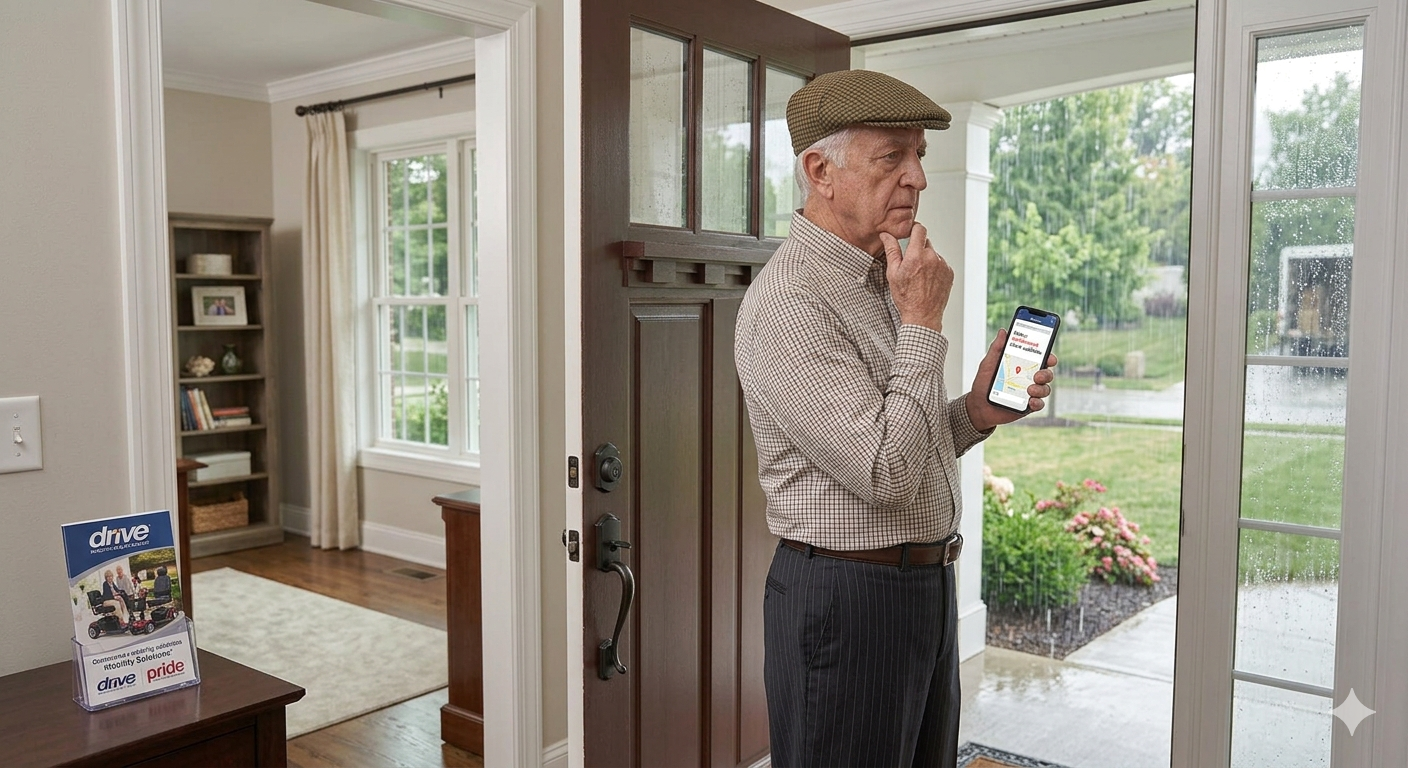
What to Say: Scripts for the Used Marketplace
You do not need to be confrontational to protect yourself. A few calm, firm phrases will do the work.
When you want to see the scooter before paying anything:
"I would like to inspect and test the scooter in person before I commit to anything. I do not pay deposits before viewing. When would be a good time for me to come and see it?"
When you are asked for a deposit to "hold" it:
"I understand you have other interest, but I am not comfortable paying a deposit before I have seen the scooter. If it is still available when I can view it, I will be happy to discuss it then."
When you are ready to make an offer:
"Based on the age of the battery and the service history, I would like to offer [amount]. I have factored in the likely cost of a replacement battery, which I understand is around $300 to $600."
When something feels wrong and you want to leave:
"Thank you for your time. I am not going to proceed today. I will be in touch if I change my mind."
Deeper dive: For word-for-word scripts to handle every stage of a sales conversation—including the home visit—see: Mobility Scooter Salesperson Scripts: What to Say to Slow Things Down and Keep Control

The Bottom Line: Inspect, Test, Verify, Then Pay
Buying a used mobility scooter can be a smart, budget-friendly choice. A scooter that costs $2,149 new might be available for $799 second-hand, with identical features. But the savings are only real if you know what you are buying and what you are taking on. The private sale market does not come with consumer guarantees, so your protection is your preparation.
Inspect the battery first. Ask for the service history. Test ride it properly, on a hill and in full-lock turns. Watch the battery gauge. Never pay a deposit before viewing. Pay by a method you can dispute.
And if something feels wrong, walk away. The right scooter is out there—and the calm, careful buyer is the one who finds it.

Frequently Asked Questions
Do consumer guarantees apply when I buy a used mobility scooter from a private seller?
Generally, no. If you buy from a private seller who is not running a business, consumer guarantees usually do not apply. This is why inspection and testing are so important—they are your primary protection.
What is the biggest risk when buying a used mobility scooter?
The battery. It is the most expensive consumable and the most likely thing to be worn out. A tired battery can read full on the gauge but collapse under load after a few minutes. Factor the cost of a replacement—typically $300 to $600—into your offer if the battery is old or its history is unknown.
How do I avoid a deposit scam on Gumtree or Facebook Marketplace?
Never pay a deposit before you have seen the scooter in person and verified the seller. Scammers target mobility equipment buyers by advertising cheap products and requesting a deposit before viewing. If a seller insists on a deposit upfront, walk away.
What should I check during a test ride?
Ride for several minutes, not just across a driveway. Find a hill to test the battery and motor under load. Do full-lock turns and listen for grinding or clicking. Test the brakes on a slope. Watch the battery gauge—it should not move on a short ride.
Is it safe to pay by bank transfer for a used scooter?
Bank transfers are irreversible, and scammers often ask for them because they cannot be traced or reversed. Use a payment method you can dispute, and avoid paying before you have inspected the scooter in person.
What if the seller will not let me test ride the scooter?
Treat this as a major red flag. A legitimate seller should be willing to let you inspect and test the scooter properly. If they refuse, or if they pressure you to decide without a test ride, walk away. The risk is not worth it.
Stay mobile, stay confident!
Sign up for our monthly Mobility Scooter Newsletter to receive practical guides, expert advice, and inspiring stories that help you make the most of your scooter and download our free "Mobility Scooter Guide for Beginners."
Don't worry — your e-mail address is totally secure.
I promise to use it only to send you our newsletter, "Mobility Matters."
Recent Articles


-
Avoiding Mobility Scooter Sales Pressure Before You Buy
Nov 25, 26 09:52 AM
 Avoiding mobility scooter sales pressure begins with knowledge. This friendly hub walks you through every step—calmly and clearly.
-
Used Mobility Scooter: Buy Safely on Gumtree & Marketplace
Nov 25, 26 09:43 AM
 Buying a used mobility scooter without getting pressured or scammed is possible. Get the inspection checklist and scam-avoidance scripts before you buy.
-
Home-Visit Mobility Scooter Sales: Red Flags and Exit Scripts
Nov 25, 26 08:22 AM
 Home-visit mobility scooter sales are the highest-pressure setting in the industry. Here is how to spot the tactics and end the appointment on your terms.


Ready to Feel More Confident on Your Mobility Scooter?

My Ebook, The Ultimate Guide to Mobility Scooters, walks you through choosing the right scooter, using it safely, and keeping it in top condition — all explained in clear, friendly language.
Give yourself (or someone you love) the gift of independence.




