Mobility Scooters Covered by Medicare: Everything You Need to Know Today
Are you searching for mobility scooters covered by Medicare?
Chances are, you or someone you love is facing new mobility challenges — and you want clear, trustworthy information without being overwhelmed. You’re in the right place, and we’ll walk through this together step by step so you can move forward with confidence and peace of mind.
Let’s start by making this whole topic feel a lot less confusing, and then we’ll build toward the practical details you’ll want to know next.

Why Mobility Scooters Matter — And Why Medicare Coverage Is So Important
Mobility scooters aren’t just devices. They’re lifelines to independence, dignity, and everyday freedom. For many seniors and people with disabilities, a scooter means being able to shop, visit friends, enjoy the outdoors, or simply move around the home safely — and that’s worth everything.
And because scooters can be expensive, understanding what mobility scooters covered by Medicare is all about can make a world of difference. So let’s keep going and unpack what that really looks like.
What “Mobility Scooters Covered by Medicare” Actually Means
Medicare coverage varies depending on where you live, what type of Medicare plan you have, and whether your medical provider confirms that a scooter is medically necessary. It sounds complicated, but once you understand the basics, it becomes much easier to navigate — and we’ll break it down in a way that feels manageable and reassuring.
Before we dive into the differences between USA Medicare and Australian Medicare, let’s explore the shared foundation that both systems use when considering mobility scooter support.
When Medicare Considers a Mobility Scooter “Medically Necessary”
Across both countries, the core idea is similar,
Medicare may help with mobility equipment when it’s essential for daily living.
This usually means:
• You have difficulty walking or standing for extended periods
• A cane or walker isn’t enough
• You need help moving around your home safely
• A doctor or occupational therapist confirms the need
• You can safely operate the scooter
If this sounds like your situation, you’re already on the right track — and the next sections will help you understand what to expect next.

USA Medicare: How Coverage Works for Mobility Scooters
USA Medicare can help pay for mobility scooters under Medicare Part B, which covers Durable Medical Equipment (DME). Mobility scooters covered by medicare fall under this category, but there are a few important steps and limitations to understand.
Let’s walk through them gently and clearly.
Step 1: You Need a Face‑to‑Face Examination
Your doctor must evaluate your mobility challenges and document why a scooter is medically necessary. This isn’t a test — it’s simply a conversation about your daily needs. Knowing this helps you feel prepared as you move forward.
Step 2: Your Doctor Must Provide a Written Prescription
This prescription must state:
• Why you need the scooter
• That you can safely operate it
• That it will improve your daily functioning
This step is essential, and it’s one of the most common reasons applications get delayed — so it’s worth paying attention to as you continue.
Step 3: You Must Use a Medicare‑Approved Supplier
Medicare only covers equipment purchased or rented through approved suppliers. This protects you from inflated prices and ensures the scooter meets safety standards. It’s a small detail that makes a big difference, and it’s one more reason to keep reading as we explore your options.
What Medicare Covers in the USA
Medicare Part B typically covers 80% of the approved cost after your deductible. You’re responsible for the remaining 20%. Some Medicare Advantage plans may offer additional benefits, so it’s worth checking your plan details.
This is where affordability and peace of mind come together — and where many people feel relieved to know support is available.
What Medicare Does Not Cover
Medicare generally does not cover:
• Scooters for outdoor or recreational use
• Upgrades like larger batteries or luxury seating
• Scooters purchased without a medical need
Knowing this upfront helps you avoid surprises and stay focused on what’s possible.
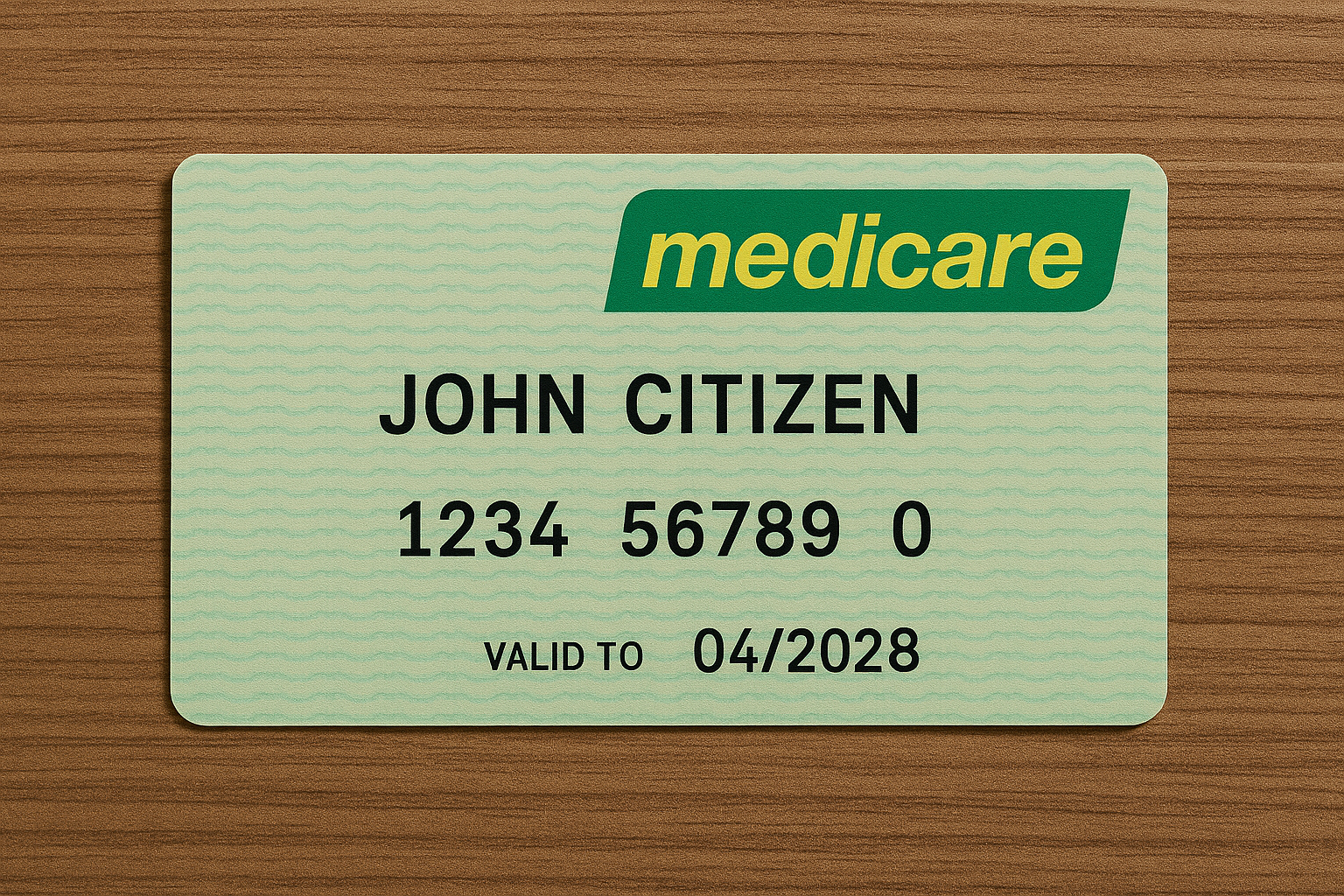
Australian Medicare: How Coverage Works for Mobility Scooters
Australian Medicare works differently from the US system. Medicare itself does not directly fund mobility scooters, but support is available through other government programs — and this is where many people get confused.
Let’s clear that up gently and simply.
Key Programs That May Help in Australia
1. NDIS (National Disability Insurance Scheme)
For people under 65 with a permanent disability, NDIS may fund mobility scooters when they’re considered “reasonable and necessary.” This includes:
• Daily mobility needs
• Community access
• Safety and independence
If you’re eligible, NDIS can be incredibly supportive — and it’s worth exploring further.
2. My Aged Care (MAC)
For people aged 65+, mobility scooters may be funded through:
• CHSP (Commonwealth Home Support Programme)
• Home Care Packages (HCP)
These programs focus on helping older Australians stay independent at home. A mobility scooter can be included when it supports daily living and community participation. This is often a huge relief for families who want to help a loved one stay active and connected.
3. State‑Based Equipment Programs (Australia)
Across Australia, every state and territory offers its own mobility equipment funding programs. These programs are designed to support people who need mobility aids but may not qualify for NDIS or who need additional help beyond My Aged Care.
The tricky part is that each program has its own rules, forms, and eligibility criteria — which is why so many people miss out simply because they don’t know what’s available. Let’s break it down gently and clearly so you can see what support might be waiting for you.
These programs often help cover part or all of the cost of a mobility scooter, depending on your medical needs, income level, and whether the scooter is essential for daily living. Even if you think you might not qualify, it’s worth checking — many people are pleasantly surprised once they look into it.
Below is a friendly walkthrough of the major state‑based programs.
Queensland — MASS (Medical Aids Subsidy Scheme)
MASS provides subsidies for mobility aids, including scooters, for eligible Queensland residents. Funding is based on clinical need and financial circumstances, and the program works closely with occupational therapists to ensure the equipment is safe and suitable.
MASS may cover:
• A significant portion of the scooter cost
• Repairs and maintenance in some cases
• Assessments and fittings
If you live in QLD and mobility is becoming a daily challenge, MASS is absolutely worth exploring — many seniors discover they qualify even on modest incomes, which can be a huge relief as you continue your search.
New South Wales — EnableNSW
EnableNSW supports people with long‑term disabilities or chronic health conditions who need essential mobility equipment. While it doesn’t cover every type of scooter, it does provide funding for medically necessary mobility aids when they support independence and safety.
EnableNSW focuses on:
• Clinical need
• Safety and suitability
• Supporting people who cannot afford equipment on their own
This is often the first place locals check — and it’s a great option for readers who feel overwhelmed by the cost of a scooter but still want to stay active and connected.
Victoria — SWEP (State‑Wide Equipment Program)
SWEP helps Victorians access mobility equipment through subsidies and co‑payments. It’s known for being practical and supportive, especially for people who need equipment to stay independent at home or in the community.
SWEP may assist with:
• Mobility scooters
• Home modifications
• Repairs and maintenance
• Clinical assessments
One of the strengths of SWEP is its commitment to affordability — even if you don’t qualify for full funding, partial support can make a scooter far more accessible. This is often the turning point for people who feel stuck between “I need help” and “I can’t afford it.”
Western Australia — EPSS (Equipment Provision and Support Scheme)
WA EPSS provides mobility equipment for people with disabilities or long‑term health conditions. The program focuses on essential equipment that supports daily living, safety, and independence.
EPSS may help with:
• Full or partial funding
• Equipment trials
• Repairs and servicing
• Clinical assessments
For many WA residents, EPSS becomes a bridge to independence — especially for those who don’t qualify for NDIS or who need additional support while waiting for other funding to come through.
Other States and Territories
Every region has its own version of equipment funding, including:
• TAS: Community Equipment Scheme
• SA: Equipment Program (SA Health)
• NT: Territory Equipment Program
• ACT: ACT Equipment Scheme
While the names differ, the purpose is the same: helping people access the mobility equipment they need to live safely, confidently, and independently.
Why These Programs Matter More Than Most People Realise
Australian state‑based programs are often the hidden gem of mobility funding. Many people assume they won’t qualify because they’re not on a pension, or they think the process will be too complicated, or they simply don’t know the programs exist. But these schemes are designed to support everyday Australians — especially seniors, carers, and people with disabilities who need a little extra help to stay mobile.
If you’re feeling unsure, overwhelmed, or worried about the cost of a scooter, these programs can be a lifeline. And the best part? You don’t have to navigate them alone. Occupational therapists, local health services, and mobility specialists can guide you through the process step by step.
What Australian Programs Typically Require
For mobility scooters covered by Medicare 0r not, across all programs, you’ll usually need
• An occupational therapy assessment
• A medical justification
• Proof that the scooter is safe and suitable
• A plan for training and ongoing use
This may sound like a lot, but each step is designed to ensure you get the right scooter for your needs — and that’s something worth leaning into as you continue.

Real‑World Scenarios to Make This Clearer
Scenario 1: USA — John, age 72
John struggles to walk more than a few metres due to COPD. His doctor confirms he needs a scooter for daily activities at home. Medicare Part B approves 80% of the cost, and John pays the remaining 20%. He now uses his scooter to get around his home and garden safely.
Scenario 2: Australia — Maria, age 68
Maria lives alone and has arthritis that limits her mobility. Through My Aged Care, her Home Care Package funds a mobility scooter that helps her shop, attend appointments, and stay connected with her community.
Scenario 3: USA — Denise, age 59
Denise has MS and qualifies for a scooter through her Medicare Advantage plan, which offers additional benefits beyond standard Medicare. Her plan covers nearly the entire cost.
Each story shows all mobility scooters covered by Medicare, one way or another and what’s possible — and you’ll soon see how your own situation may fit into these pathways.
Choosing the Right Mobility Scooter: What to Look For
Whether you get your mobility scooters covered by Medicare or not, choosing the right one matters. Here’s what to consider:
• Indoor vs outdoor use
• Weight capacity
• Battery range
• Portability and transport needs
• Comfort and seating
• Turning radius
Understanding these features now will make the next steps easier — and we’ll keep building on this foundation as you go.
Tips to Make the Process Smoother
• Keep all medical documents together
• Ask your doctor to be specific in their notes
• Compare suppliers before committing
• Don’t rush — the right scooter is worth the time
• Ask for a trial or demonstration when possible
These small steps can save you stress and help you feel more confident as you move forward.

Final Thoughts: You Deserve Independence, Comfort, and Peace of Mind
Navigating mobility scooters covered by Medicare can feel overwhelming at first, but you’re not alone — and you’re already taking the right steps by learning what’s available.
Whether you’re in the USA or Australia, support exists to help you stay mobile, independent, and connected to the life you love.
A mobility scooter isn’t just equipment. It’s a doorway back to confidence, dignity, and everyday joy. And you deserve that — today and every day.
Stay mobile, stay confident!
Sign up for our monthly Mobility Scooter Newsletter to receive practical guides, expert advice, and inspiring stories that help you make the most of your scooter and download our free "Mobility Scooter Guide for Beginners."
Don't worry — your e-mail address is totally secure.
I promise to use it only to send you our newsletter, "Mobility Matters."
Recent Articles


-
Portable vs Travel vs Folding Mobility Scooters Buyer's Guide
Sep 15, 26 11:01 AM
 Confused by "portable," "travel," and "folding" mobility scooter listings? This guide explains what Australian sellers actually mean, with real weight comparisons and a decision framework.
 -
Mobility Scooter Types Overview: No More Confusion
Sep 15, 26 10:54 AM
 Mobility scooter types explained in plain English. Includes Australian footpath rules, airline battery limits, and the one mistake most first-time buyers make.
 -
How to Choose a Mobility Scooter in Australia Guide (2026)
Sep 15, 26 07:29 AM
 Choosing a mobility scooter in Australia? This guide covers registration requirements by state, public transport dimensions, NDIS funding steps, and practical testing advice.

Ready to Feel More Confident on Your Mobility Scooter?

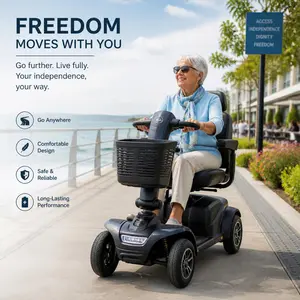
My Ebook, The Ultimate Guide to Mobility Scooters, walks you through choosing the right scooter, using it safely, and keeping it in top condition — all explained in clear, friendly language.
Give yourself (or someone you love) the gift of independence.

